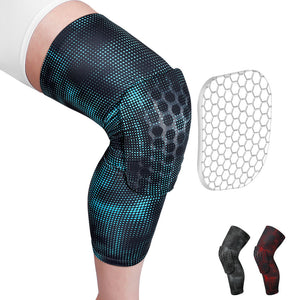
Ankle Stabilizer for Running
- Black
- Grey
- Blue
- Pink
- Purple
- Black
- Orange
- Green
- Pink
- Black
- Red
- Blue
- Orange
How to Stabilize the Ankle While Running?
Running is a highly popular and effective way to stay fit, but the repetitive impact of each stride places immense stress on your lower body. If you struggle with weak joints, frequently run on uneven terrain, or are recovering from a previous sprain, learning how to stabilize the ankle while running is crucial for your long-term health and athletic performance.
By implementing targeted exercises, refining your mechanics, and utilizing the proper gear, you can run with confidence and avoid debilitating injuries. Here are several highly effective strategies to help you maintain optimal ankle stability on the road, track, or trail.
Build a Foundation: Strengthen Ankle Muscles Regularly
Your ankles rely on a complex network of muscles, tendons, and ligaments to stay upright and balanced. Performing routine ankle exercises helps strengthen the surrounding muscles, allowing the joint to absorb the heavy shocks of each foot strike during a run.
To create a bulletproof lower body, incorporate a dynamic range of exercises into your weekly fitness routine:
- Dorsiflexion and Plantarflexion: Using resistance bands to pull your toes toward your shin (dorsiflexion) and away from your shin (plantarflexion) directly targets the stabilizing muscles in your lower leg.
- Heel Raises (Calf Raises): Elevating your body onto your toes strengthens the calves and the vital stabilizing muscles around the heel and ankle joint.
- Proprioception and Balance Training: Simple exercises like single-leg stands on a soft surface (like a folded yoga mat) force your microscopic stabilizing muscles to fire, drastically improving your body's awareness and balance during running.
Focus on Proper Running Form
Your running mechanics play a massive role in how much force travels through your lower legs. Adopting a correct foot strike is one of the most effective ways to promote ankle stability.
Many runners naturally default to a heel strike, which sends a harsh, jarring shockwave directly up the leg, increasing the risk of instability and joint fatigue. Instead, focus on aiming for a midfoot or forefoot strike. A midfoot strike allows your foot and calf muscles to act as a natural shock-absorbing spring when your foot hits the ground. This smoother absorption drastically reduces the harsh forces that would otherwise travel up to the ankle, effectively preventing twisted ankles, shin splints, and joint pain. Additionally, taking shorter, quicker strides (increasing your cadence) keeps your feet under your center of gravity, naturally promoting a safer foot strike.
Equip Yourself: Use Ankle Supports
Sometimes, your muscles need external assistance, especially during long-distance runs or when navigating unpredictable trails. Selecting the right protective gear is an essential step in injury prevention.
For runners with a history of acute ankle injuries, chronic rolling, or noticeably weak ankles, structured supports offer significant, targeted protection. When looking for a high-quality ankle support brace that running communities highly recommend, seek out designs that feature adjustable strapping systems and rigid side panels. These structured features limit excessive side-to-side movements and prevent extreme dorsiflexion or plantarflexion. This restraint effectively prevents the recurrence of previous injuries and provides incredible stability, giving runners the peace of mind needed to move freely and confidently.
On the other hand, if you are seeking mild support to reduce fatigue and boost endurance, wearing a compression ankle brace is an excellent everyday choice. This type of sleeve improves the circulation of vital blood around the ankle joint. Better circulation means that your muscles and connective tissues receive a steady supply of oxygen and essential nutrients. This continuous blood flow significantly reduces muscle fatigue during your workout and speeds up recovery times after a grueling run.
Prioritize Supportive Footwear
The foundation of a stable run begins with what you put on your feet. Running in worn-out or improper footwear is a leading cause of ankle instability. Choose a running shoe that caters to your specific arch type and gait. If you tend to overpronate (where the ankle rolls inward), look for stability shoes with firmer foam on the inner edge to keep your foot properly aligned. Ensure your footwear has a snug heel counter to lock your foot in place and prevent dangerous slipping during rapid movements.
Listen to Your Body and Make Adjustments
Pushing through pain is a common mistake that runners make, often leading to severe, sideline-inducing injuries. Resting when you experience ankle pain, stiffness, or discomfort is absolutely essential for preventing further structural damage. Ignoring these early warning signals could lead to more serious issues like stress fractures or severe ligament tears that require extended recovery time and could permanently affect your long-term ankle health.
By proactively listening to your body and giving your joints the rest they need, you give your tissues a chance to repair minor micro-tears and naturally restore stability. Furthermore, it is important to adapt safely to changing running conditions. If you are increasing your weekly mileage, follow the 10-percent rule (never increase your mileage by more than 10% a week). If you are transitioning from flat pavement to uneven nature trails, slow your pace and allow your stabilizing muscles time to adapt to the new, unpredictable terrain, ensuring your ankles remain adequately protected at all times.