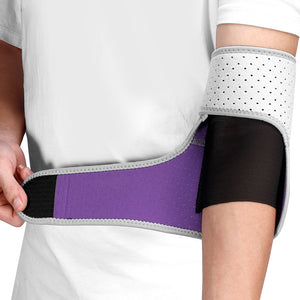
Metal Ankle Brace
- Black
- Grey
- Blue
- Pink
- Purple
- Black
- Orange
- Green
- Pink
- Black
- Red
- Blue
- Orange
What Happens If You Wear an Ankle Brace for Too Long?
Ankle sprains and ligament strains are among the most common physical injuries, often prompting individuals to seek immediate stability to relieve pain and prevent further damage. While utilizing supportive gear is a highly effective way to stabilize an injured or weakened joint during the initial healing process, many people make the mistake of over-relying on this external support.
So, what happens if you wear an ankle brace for too long? Although these devices provide crucial stability, extended use—especially with rigid options like metal ankle braces that offer extensive immobilization—can lead to unintended negative consequences that may hinder your long-term recovery.
The Hidden Dangers of Prolonged Ankle Brace Usage
To fully understand the impact of continuous bracing, it is essential to look at how the body adapts to external support over time. Here are the primary side effects of wearing an ankle brace for an extended duration.
1. Muscle Atrophy and Joint Weakness
One of the most significant concerns regarding the continuous use of joint support is muscle atrophy. When you immobilize a joint for an extended period, the bracing effect deprives your foot, ankle, and surrounding calf muscles of the natural stimulation they require to remain robust and functional. Because a rigid metal ankle brace takes over the workload of your ligaments and tendons, your body begins to lose its natural strength. This "use it or lose it" phenomenon leads to profound weakness, making it significantly more challenging to regain full mobility once the support is finally removed. Balancing the need for joint stability with the vital requirement for active muscle engagement is critical for long-term foot health.
2. Poor Blood Circulation and Swelling
Circulation issues represent another major risk associated with prolonged wear. High-level supports are intentionally designed to provide maximum compression and rigidity. However, if left tightly secured for too long without a break, they can severely restrict blood flow to the lower extremities. This restricted circulation can lead to pooling fluids, resulting in localized swelling, throbbing discomfort, or even a tingling and numb sensation in the toes and foot. It is crucial to continuously monitor how your foot feels while wearing any tight compression gear and to take regular breaks to let your tissues breathe and your blood circulate freely.
3. Skin Irritation and Abrasions
Skin health is frequently overlooked during the rehabilitation process. Constant friction between human skin and rigid support materials can cause severe irritation, heat rashes, or painful blisters. Because sweat can become trapped beneath the heavy material, the enclosed environment becomes a breeding ground for bacteria. If a brace is not fitted correctly or is left strapped on without proper rest periods, you may develop deep sores that carry a high risk of infection. Practicing excellent hygiene, wearing moisture-wicking socks underneath, and regularly inspecting the skin can help mitigate these uncomfortable dermatological risks.
4. Psychological Dependence on Support
Beyond the physical side effects, another major issue to consider is psychological dependence. When individuals wear structural supports for months on end, they often develop an intense fear of re-injury. This psychological reliance can severely hinder a person's determination to engage in crucial rehabilitation exercises. You might start to feel insecure about your own bodily strength, convincing yourself that you cannot walk, run, or exercise without the device, even long after the physical tissues have healed sufficiently to function independently.
How Long Should You Actually Wear an Ankle Brace?
To avoid the pitfalls of over-bracing, it is highly beneficial to understand the typical timeline for wearing supportive gear. During the acute phase of a severe sprain—usually the first few days to a couple of weeks—immobilization is often necessary to prevent further tissue damage and manage acute pain. However, as the pain subsides and swelling decreases, you should begin weaning off the support.
Unless explicitly directed by a healthcare professional, you should generally avoid sleeping with tight support. Nighttime is an ideal opportunity for the skin to breathe and the blood to flow without restriction. For chronic instability, you might only need to wear the device preventively during high-impact activities, such as running, hiking, or playing sports, rather than wearing it all day.
Tips for Safely Transitioning Off Ankle Support
Transitioning away from constant support requires a proactive approach focused on strengthening proprioception (your body's awareness of its position in space).
- Engage in Physical Therapy: Implement targeted exercises, such as calf raises, resistance-band stretches, and single-leg balance drills, to rebuild the stabilizing muscles around the joint.
- Practice Gradual Weaning: Do not quit using your support cold turkey. Start by removing the brace while sitting or relaxing at home, then progress to walking short distances without it, and finally, phase it out during light workouts.
- Listen to Your Body: A mild ache during rehabilitation is a normal part of tissue remodeling, but sharp pain may indicate you are pushing too hard. Always consult with a healthcare professional regarding your specific recovery timeline and the best practices tailored to your body.