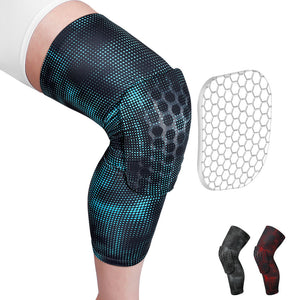
Best Ankle Brace
- Black
- Grey
- Blue
- Pink
- Purple
- Black
- Red
- Blue
- Orange
- Black
- Orange
- Green
- Pink
Should You Wear a Sock Under an Ankle Brace?
If you are recovering from a rolled ankle, navigating a sports injury, or looking for extra joint support during your daily workouts, you have likely asked yourself this common question: Should you generally wear a sock under an ankle brace?
The short answer is yes. Wearing a sock underneath your support gear is highly recommended by physical therapists and athletic trainers alike. While finding the best ankle brace for your specific needs is a crucial step in your recovery journey, how you wear it is equally important. Wearing a base layer between your skin and your support gear provides essential benefits that enhance your overall healing process and athletic performance.
Here is a deep dive into why wearing a sock under your ankle support is the smartest choice, along with actionable tips to maximize your recovery.
Top 3 Reasons to Wear a Sock Under Your Ankle Brace
1. Unmatched Comfort and Blister Prevention
One of the primary reasons to wear a base layer is to drastically reduce friction. Throughout the day, continuous walking, running, or exercise causes the support gear to shift slightly. If placed directly against bare skin, rigid materials, straps, and laces will inevitably rub against your foot.
A high-quality sock acts as a vital protective barrier. It prevents the materials from digging into your skin, eliminating the risk of chafing, skin irritation, and painful blisters. By prioritizing foot care and comfort, you can wear your support gear for extended periods without wanting to take it off prematurely due to localized pain.
2. Improved Fit, Compression, and Stability
Proper joint alignment relies heavily on a snug, secure fit. Interestingly, a sock plays a significant role in achieving this. It helps fill any microscopic gaps between the contours of your foot and the brace's structural frame.
This seamless integration leads to superior, targeted compression. When the brace fits perfectly against the sock, it prevents unwanted shifting inside your shoe, locking your heel and arch in place. Better compression directly translates to reduced swelling and enhanced structural stability, which are critical components of a successful ankle sprain recovery.
3. Essential Warmth and Joint Protection
If you are wearing support gear to rehabilitate an injured ligament or tendon, temperature regulation is a factor you should not ignore. A sock provides an extra layer of therapeutic warmth to the affected area.
Keeping the joint warm helps dilate blood vessels, which improves overall blood circulation to the injured tissues. Enhanced circulation delivers much-needed oxygen and nutrients, potentially accelerating your healing timeline while minimizing annoying joint stiffness. Furthermore, if you live in a colder climate or participate in outdoor activities such as hiking, running, or winter sports, a quality sock will protect your extremities from frigid temperatures, helping keep your ligaments pliable and less prone to sudden strains.
How to Choose the Right Sock for Your Ankle Support
Not all socks are created equal when it comes to pairing them with athletic recovery gear. To get the most out of your setup and generate the best results, keep these footwear tips in mind:
- Opt for Moisture-Wicking Materials: Avoid 100% cotton socks, as they tend to trap sweat and moisture against your skin, which can lead to fungal infections and bad odors. Instead, choose synthetic blends (like polyester or nylon) or merino wool. These materials pull sweat away from your skin, keeping your feet dry and comfortable all day long.
- Select the Proper Height: Always choose a crew sock or an over-the-calf style. Ankle socks or "no-show" varieties defeat the purpose, as they leave the upper portion of your ankle and lower calf exposed to the harsh edges and upper straps of your brace.
- Mind the Thickness: A sock that is too thick can make your shoe feel uncomfortably tight, restricting blood flow. Conversely, a paper-thin sock might not provide enough cushioning against rigid side panels. Aim for a medium-thickness athletic sock that balances plush comfort with a streamlined fit.
Can You Wear a Sock Over the Brace Instead?
While the standard protocol is to wear the sock underneath, some athletes wonder whether they can put the sock on top. Wearing a sock only over the top leaves your bare skin vulnerable to friction, which is not recommended.
A popular technique among basketball players and runners is the "double-sock method." This involves wearing a thin moisture-wicking sock against the skin, strapping on the brace, and then pulling a second, larger sock over the entire apparatus. This secures the straps, prevents Velcro from snagging on the inside of your shoes, and creates a clean, uniform look. Just ensure your athletic shoes have enough volume to accommodate the extra layers without pinching your toes.
Final Thoughts on Proper Ankle Care
Proper orthopedic wellness requires attention to detail. Whether you are dealing with chronic instability or trying to prevent a future sports injury, remembering to slip on a well-fitted, moisture-wicking sock before strapping in will transform your experience. It guarantees all-day comfort, boosts the functional stability of your gear, and creates an optimal healing environment for your joints.