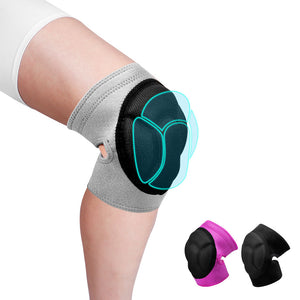
Right Ankle Brace
- Black
- Grey
- Blue
- Pink
- Purple
- Black
- Orange
- Green
- Pink
- Black
- Red
- Blue
- Orange
Is it OK to Wear an Ankle Brace Overnight?
Experiencing a twisted ankle, a severe sprain, or chronic ankle instability often leaves you wondering about the best round-the-clock recovery methods. Wearing an ankle brace is a highly effective way to support and stabilize a compromised joint during your busy daily activities. However, a frequently asked question by those suffering from nighttime joint pain is: is it safe or advisable to wear an ankle brace overnight?
It is essential to understand the core purpose of nighttime ankle support. Ankle braces come in various styles, designed to offer completely different levels of support—ranging from mild, breathable compression sleeves to rigid, structured stabilization. While a well-fitted daytime brace can help alleviate pain and prevent further injury while you are on your feet, extending that use into your sleeping hours requires careful consideration.
The Healing Benefits of sleeping with an ankle brace
When you are recovering from a sprained ankle, Achilles tendonitis, or general joint swelling, your body performs the majority of its tissue repair while you rest. For individuals navigating the acute phase of an injury, sleeping with an ankle brace can provide essential joint stabilization.
As we drift into deep sleep and shift positions in bed, involuntary foot twitches and movements are common. These sudden, uncontrolled motions can easily tweak an already sensitive joint, causing sharp pain that abruptly disrupts your rest. By keeping the foot in a neutral, supported alignment, overnight ankle stabilization minimizes the risk of accidental movements that could overstretch torn ligaments or aggravate stressed tendons, ultimately promoting uninterrupted healing.
Choosing the Right sleeping ankle brace
Not all joint supports are created equal, particularly when it comes to bedtime wear. Daytime braces frequently feature rigid plastic hinges, heavy laces, and thick Velcro designed to withstand the heavy impact of walking or running.
In contrast, a dedicated sleeping ankle brace should prioritize breathability, gentle compression, and soft structural support. Lightweight compression sleeves or flexible wraparound supports are highly preferred for nighttime use. They help reduce morning ankle stiffness and keep swelling at bay without feeling overly bulky or cumbersome under your blankets.
Crucial Considerations: Comfort, Fit, and Circulation
The single most important factor when deciding whether to use an ankle brace for sleeping is overall comfort and the preservation of healthy blood flow. If your support garment is strapped or laced too tightly, it can easily restrict blood circulation over the span of eight hours. This restriction often leads to an uncomfortable throbbing sensation, numbness, or tingling in your toes.
Therefore, it is crucial to ensure that your nighttime ankle support fits snugly but is never overly restrictive. Many modern, high-quality wraps feature highly adjustable components, allowing you to loosen the fit specifically for overnight use, ensuring your foot receives the right amount of support while maintaining optimal circulation.
Mitigating the Risk of Skin Irritation
Wearing any type of supportive garment for an extended period, especially overnight in a warm bed, can lead to bothersome skin irritation. Trapped body heat and the continuous friction between your bare skin and the brace's fabric can cause itching, uncomfortable chafing, or even minor rashes.
To prevent these issues, it is highly advisable to ensure your foot is clean and completely dry before donning your brace for the night. You may also want to wear a thin, breathable, moisture-wicking sock underneath the support to act as a protective barrier. Make it a habit to inspect your skin regularly every morning for any signs of redness or irritation.
Alternative Support Strategies for Overnight Stability
If you find that wearing a brace overnight causes too much discomfort, disrupts your sleep cycle, or irritates your skin, there are highly effective alternative methods to protect your healing foot:
Orthopedic Elevation
Using a high-quality orthopedic leg pillow or a structured wedge cushion to elevate your foot above your heart is an excellent way to reduce overnight pooling of fluids. Elevation naturally decreases throbbing pain and morning swelling without requiring any wearable gear.
Soft Elastic Bandaging
Wrapping the ankle with a standard, soft elastic bandage might provide the exact mild sensory feedback and stability you need. A gentle wrap offers security without the heavy, unyielding bulk of a traditional brace.
Specialized Night Splints
For certain conditions, such as severe plantar fasciitis or Achilles issues, healthcare professionals often recommend a specialized night splint. These are specifically designed for sleeping, gently holding the foot at a 90-degree angle to stretch the fascia and tendons while you rest.
A Comprehensive Approach to Ankle Recovery
While utilizing overnight ankle support can be incredibly beneficial for preventing accidental nighttime injuries, it should be viewed as just one component of a broader, more comprehensive recovery strategy.
Combining nighttime joint protection with the RICE method (Rest, Ice, Compression, Elevation) during your waking hours, engaging in targeted rehabilitation exercises, and keeping up with regular follow-ups will dramatically speed up your return to a pain-free life. Your ankle health is absolutely essential to your daily mobility, and addressing it properly around the clock will contribute to a much more effective recovery and a vastly improved overall well-being.