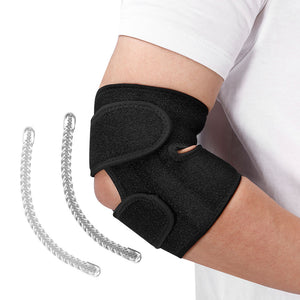
Pediatric Ankle Brace
- Black
- Grey
- Blue
- Pink
- Purple
- Black
- Orange
- Green
- Pink
- Black
- Red
- Blue
- Orange
What to Do If Your Child Rolls Their Ankle?
Children are naturally energetic, constantly running, jumping, and exploring their environment. Whether they are participating in competitive youth sports, climbing on the school playground, or just playing tag in the backyard, minor accidents are bound to happen. One of the most common childhood orthopedic injuries is a sprained or twisted ankle. When a child rolls their ankle, it can cause immediate sharp pain, rapid swelling, and a sudden loss of mobility.
As a parent, seeing your active kid sidelined and in discomfort can be stressful. However, knowing exactly how to respond can make a world of difference in reducing their recovery time and preventing future joint issues. Here is a comprehensive, step-by-step guide to effectively treating and managing a child's rolled ankle at home.
Step 1: Assess the Severity of the Ankle Injury
Before starting any home treatment for a child's twisted ankle, it is crucial to determine the severity of the trauma. Look for immediate signs of distress. Did you or your child hear an audible popping sound? Is there a visible physical deformity, extreme bruising, or severe, rapid swelling? Ask your child if they can bear any weight on the affected foot.
If your child is completely unable to walk, experiences agonizing pain, or if the ankle joint looks structurally wrong, you must seek emergency pediatric medical attention immediately. These symptoms could point to a bone fracture or a severe ligament tear. However, if the injury appears to be a mild-to-moderate sprain and your child can carefully put a little weight on the foot, you can safely begin managing the recovery process at home.
Step 2: Implement the R.I.C.E. Method for Swelling and Pain Relief
For decades, the R.I.C.E. method has been the gold standard for treating minor soft tissue injuries and joint sprains. Implementing this simple routine early on can significantly reduce ankle swelling in kids and alleviate lingering discomfort.
- Rest: Immediately stop the physical activity. Encourage your child to stay off their feet and rest the injured leg. Limiting unnecessary movement prevents further ligament damage and initiates the healing process.
- Ice: To quickly reduce inflammation, apply a cold pack or crushed ice wrapped in a thin cloth directly to the affected joint. Leave it on for 15 to 20 minutes every hour during the first 24 to 48 hours. The cold temperature constricts blood vessels, which significantly reduces pain and prevents fluid buildup.
- Compression: Gently wrap the foot and lower leg with an elastic compression bandage. The wrap should be snug enough to support the joint and reduce swelling, but not so tight that it cuts off blood circulation or causes tingling in the toes.
- Elevation: Have your child lie down on the couch or bed and prop their injured leg up on a few pillows. Keeping the ankle elevated above heart level uses gravity to drain excess fluid from the injury site, promoting much faster healing.
Step 3: Provide Stability with Proper Bracing
As your child transitions out of the acute resting phase and begins moving around the house again, providing reliable joint support becomes critical. Utilizing a high-quality pediatric ankle brace can offer the essential stability needed during the active healing process. These protective supports are excellent tools for slightly immobilizing the joint while still permitting a safe, controlled range of motion, which ultimately accelerates recovery and prevents accidental reinjury.
When shopping for the right protective gear, it is absolutely critical to select items specifically engineered for a child's unique anatomy. Adult sizes that have simply been scaled down often do not fit correctly and can cause uncomfortable rubbing. Properly designed pediatric ankle braces are tailored to accommodate smaller feet, sensitive skin, and the dynamic, unpredictable activity levels of growing youths. Ensuring a snug, comfortable, and accurate fit is vital for the support to be both effective and highly comfortable for all-day wear.
Step 4: Safely Transition to a Gradual Return to Activity
It is completely natural for energetic kids to want to rush right back onto the soccer field or basketball court the moment they feel a little better, but patience is key for long-term joint health. After a few days of rest and use of their supportive gear, monitor their pain levels closely. If the tenderness has largely subsided and the swelling is gone, your child can begin a gradual return to their normal physical routines.
Start with very gentle ankle mobility and range-of-motion exercises. Have them try drawing the alphabet in the air with their big toe to restore flexibility. Slowly transition to light walking, monitoring for any signs of limping, wincing, or discomfort. Taking measured, cautious steps back into youth sports and daily physical activities will help rebuild muscle strength around the ligaments without risking a painful setback.
Step 5: Know When to Seek Professional Medical Advice
While the vast majority of childhood ankle sprains heal wonderfully with diligent at-home care, some require a professional's touch. Keep a close eye on your child's daily progression. If the symptoms, such as sharp pain, discoloration, and swelling, do not noticeably improve within a few days—or if they begin to worsen—it is time to schedule a visit with your pediatrician or a trusted local healthcare professional.
A doctor can perform a thorough physical examination and may order an X-ray to officially rule out hairline fractures or growth plate injuries, which are highly common in growing children. Furthermore, they might recommend a tailored physical therapy program to help your child regain full strength, balance, and proprioception, ensuring their ankle is stronger than ever.
Watching your child suffer a rolled ankle can be a distressing experience, but with calm, prompt, and appropriate action, they will be back on their feet in no time. By diligently applying the R.I.C.E. principles, providing appropriate structural support, and cautiously pacing their return to play, you will facilitate a smooth, complete recovery while keeping your child safe and comfortable.