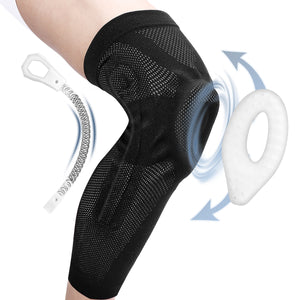
Ankle Brace for Swelling
- Black
- Grey
- Blue
- Pink
- Purple
- Black
- Orange
- Green
- Pink
- Black
- Red
- Blue
- Orange
Does a Brace Reduce Swelling?
Dealing with a twisted, rolled, or injured ankle often brings an immediate, uncomfortable side effect: localized swelling, clinically known as edema. If you are struggling with a ballooning joint, stiffness, and limited mobility, you might wonder whether supportive gear is the right solution. The short answer is yes—wearing a brace can significantly help reduce swelling. By providing targeted compression, structural support, and joint stability, these orthotic tools play a vital role in the injury recovery process. Let's dive deeper into exactly how this works and why it accelerates your healing.
Understanding the Body's Inflammatory Response
When you suffer a soft tissue injury like a sprained or strained ankle, your body's natural defense mechanism kicks in immediately. It sends a rush of blood, oxygen, white blood cells, and extra fluid to the traumatized area to protect the joint and initiate healing. While this inflammatory response is entirely natural and necessary, excessive fluid buildup can cause throbbing pain, restricted movement, and a delayed recovery time. Managing this inflammation is crucial for getting back on your feet quickly and safely.
How Structural Support Effectively Reduces Swelling
- Limiting Fluid Accumulation Through Compression Therapy
Many high-quality ankle supports are designed with built-in compression features specifically engineered to tackle inflammation. When you wrap an injured joint, the gentle, consistent pressure applied around the affected area actively limits the amount of fluid that can pool in the damaged tissues. By mimicking the effects of professional athletic wrapping techniques, compression forces excess fluid out of the localized area. This disperses the buildup, allowing your lymphatic system to naturally process and eliminate the swelling much faster than it could on its own.
- Enhancing Blood Circulation and Waste Removal
Proper joint alignment is critical for optimal blood flow, especially during recovery. An Ankle brace for swollen ankles provides essential structural support to the joint, helping to maintain proper bone, tendon, and ligament alignment even as you move throughout your day. This stable, controlled environment is highly beneficial for your vascular system. When the ankle is properly supported and aligned, blood vessels remain open and unkinked, allowing oxygen-rich blood to flow smoothly through the area. Improved circulation ensures that your body can efficiently remove cellular waste products and stagnant fluid, directly reducing swelling and accelerating tissue repair.
- Guarding Against Further Damage and Micro-Traumas
One of the biggest hurdles to overcoming a swollen joint is the risk of aggravating the existing injury. A swollen ankle brace acts as a reliable physical safeguard against abnormal movements, hyperextension, or accidental twisting. If your weakened ankle rolls improperly while you are walking, exercising, or going about your daily routine, it can trigger fresh micro-traumas. This leads to even more tissue damage and a secondary rush of fluid accumulation. By locking the joint into a safe, restricted range of motion, the support allows your body to focus all of its energy on reducing the current inflammation rather than fighting off new stressors that would compound the problem.
Maximizing Your Swelling Reduction Strategy
To get the absolute most out of your supportive gear, it is highly recommended to combine it with the traditional R.I.C.E. protocol (Rest, Ice, Compression, Elevation). Your brace effectively handles the crucial "Compression" element. By pairing it with adequate physical rest, periodic ice application to help constrict blood vessels, and elevating your foot above heart level whenever you are sitting or resting, you create a highly effective, comprehensive approach to reducing fluid retention.
When to Consult a Healthcare Professional
While a brace is a highly effective, non-invasive tool for managing mild to moderate sprains, strains, and general joint fatigue, it is not a cure-all for every condition. If you experience severe, rapid swelling, numbness, discoloration, a complete inability to bear weight, or suspect a bone fracture, it is vital to seek immediate medical attention. In cases of severe trauma or chronic joint instability, supportive compression garments should be used in conjunction with a specialized physical therapy or treatment plan under the strict guidance of a qualified healthcare professional.