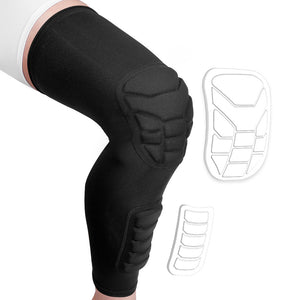
Sprained Ankle Splint
- Black
- Grey
- Blue
- Pink
- Purple
- Black
- Orange
- Green
- Pink
- Black
- Red
- Blue
- Orange
Should a Sprained Ankle Be Splinted?
A sprained ankle is one of the most common orthopedic injuries, frequently resulting from an awkward step on uneven terrain, a sudden slip, a fall, or high-impact sports activities. This type of soft tissue injury occurs when the ligaments—the tough, fibrous bands of tissue that connect your bones and stabilize your joints—are stretched beyond their normal limits or torn completely.
If you have recently twisted or rolled your ankle, you are likely experiencing a combination of throbbing pain, sudden swelling, bruising, and a noticeably limited range of motion. When faced with this painful scenario, one of the most frequently asked questions for immediate at-home care is: Should a sprained ankle be splinted?
The short answer is yes. Splinting is a highly effective, widely recommended step in the acute recovery phase.
Understanding the Purpose of Immobilization
The primary purpose of using an ankle splint for a sprain is to provide immediate stability, rigid support, and protection to the vulnerable, injured area. By keeping the ankle securely immobilized, a splint effectively prevents you from accidentally tweaking or rolling the joint again, which would cause further injury and dramatically increase your recovery time.
Splinting fundamentally limits the side-to-side and up-and-down motion of the joint. This restriction is crucial because it significantly reduces daily mechanical strain on the damaged ligaments. Giving these ligaments a stable environment during the initial healing phase allows the torn or stretched fibers to knit back together without constant disruption.
Managing Pain and Reducing Swelling
Beyond physical protection, using a reliable splint is an effective strategy for proactive pain management. When your ankle ligaments are compromised, even the slightest movement or weight-bearing action can exacerbate your discomfort and trigger sharp pain.
A well-designed splint cushions the traumatized area. It offers a reassuring sense of security, allowing individuals to navigate their daily routines and move around with much more confidence, even while dealing with a severe sprain. For many active individuals, choosing a lace-up ankle splint provides an added advantage. The adjustable laces allow for customizable compression, ensuring a snug fit that adapts to the changing size of your ankle as fluid levels fluctuate.
Furthermore, a properly applied splint is instrumental in reducing localized swelling. By keeping the ankle joint in a fixed, neutral position and applying gentle pressure, it discourages the excessive pooling of fluid and inflammation around the injury site, paving the way for faster tissue repair.
The R.I.C.E. Protocol: A Holistic Recovery Strategy
It is essential to understand that while splinting is a powerful tool, it is only one piece of the broader injury recovery puzzle. For optimal healing, an ankle support splint should always be used alongside the proven R.I.C.E. method. This standard first-aid protocol includes:
Rest
Staying off the injured foot is paramount. Resting the ankle actively prevents continuous micro-trauma to the ligaments and gives your body the energy it needs to focus on internal repair.
Ice
Applying cold therapy to the twisted ankle for 15 to 20 minutes several times a day heavily reduces acute inflammation, numbs the affected nerve endings, and provides significant natural pain relief.
Compression
Using a standard elastic bandage wrap alongside your splint helps to consistently control and minimize joint swelling. Proper compression gently forces excess fluid away from the foot and back into the body's lymphatic system.
Elevation
Whenever you are sitting or lying down, prop your foot above heart level with pillows. Gravity will help drain fluid and cellular waste from the ankle, greatly accelerating the reduction of swelling.
Transitioning to Rehabilitation and Physical Therapy
While splinting and the R.I.C.E. method dominate the first few days or weeks of recovery, prolonged immobilization can eventually lead to joint stiffness. Once the initial sharp pain and heavy swelling have noticeably subsided, it is time to transition into the active rehabilitation phase.
Gentle physical therapy exercises should be introduced gradually to safely restore your mobility. These targeted routines focus on rebuilding muscle strength around the joint and improving flexibility. Balance training, stretching, and resistance-band workouts will ensure a smoother, safer transition back to your normal daily activities, exercise routines, and sports, while also helping protect against chronic ankle instability in the future.
A sprained ankle should almost always be splinted in the early stages to provide essential structural support and shield the joint from further harm. When properly combined with rest, ice, compression, elevation, and eventual physical therapy, a splint serves as a vital stepping stone on your journey back to a healthy, pain-free life.