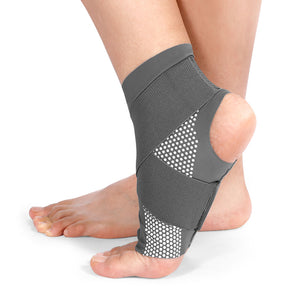
Ankle Injury Support
- Black
- Grey
- Blue
- Pink
- Purple
- Black
- Red
- Blue
- Orange
- Black
- Orange
- Green
- Pink
What Should I Wear for an Ankle Injury?
Ankle injuries—ranging from mildly rolled feet to severe sprains and strains—are incredibly common and can significantly disrupt your daily routine. Whether you tripped on an uneven sidewalk, missed a step on the stairs, or landed awkwardly during a workout, choosing the correct footwear and stabilization gear is vital. What you wear directly influences your healing speed, pain management, and protection against recurring damage. This comprehensive guide will walk you through exactly what to wear during every stage of your recovery to ensure your joint heals properly.
The Acute Phase: What to Wear Immediately After Your Injury
In the first 24 to 72 hours following a twist or sprain, your primary goals are to reduce swelling, minimize acute pain, and prevent any further damage to the vulnerable ligaments. During this initial acute window, you should avoid wearing regular shoes entirely, especially high heels, narrow-toe-box shoes, or unsupportive flats. Instead, your wardrobe choices should strictly revolve around compression and immobilization.
- Elastic Compression Bandages or Sleeves: Wearing a snug, flexible compression wrap or sleeve provides gentle, consistent pressure. This effectively prevents the buildup of excess fluid, reduces throbbing swelling, and offers a comfortable baseline layer of ankle injury support when resting.
- Immobilizing Splints or Braces: For more severe grade 2 or grade 3 sprains, a healthcare provider might recommend stepping into a rigid splint or a walking boot. These devices restrict erratic movement completely, giving your torn ligaments the maximum support for ankle injuries necessary to begin the tissue repair process without continuous strain.
Transitioning into Recovery and Rehabilitation
As your initial pain subsides and the visible swelling goes down, you will gradually transition from immobilization back to walking. This is a critical period where the risk of re-injury is exceptionally high. You need to transition into footwear and braces that allow for safe, controlled movement.
Selecting the Right Ankle Brace
A high-quality brace is an excellent intermediary step before returning to bare ankles. Different styles cater to various recovery stages and mobility needs:
- Lace-Up Braces: These mimic the tight lacing of a traditional sneaker, providing customizable tension and robust stability for daily walking and mild rehabilitation exercises.
- Stirrup Braces: Featuring rigid structural panels on the inner and outer sides of the joint, stirrups prevent the foot from rolling inward or outward while still allowing your foot to flex up and down naturally. They are ideal for moderate-to-severe sprains.
- Inflatable Walking Boots: Often used for advanced rehabilitation, these offer adjustable pneumatic compression, absorbing heavy shock and distributing your body weight safely away from the healing joint.
Key Features of Supportive Footwear
When you are finally ready to put regular shoes back on, not just any pair of sneakers will do. To secure proper support for ankle injuries and encourage a healthy, pain-free gait, look for everyday shoes and walking sneakers built with the following anatomical features:
Robust Arch Support
Proper arch support prevents your foot from collapsing inward—a condition known as overpronation. By maintaining your foot's natural curve, the shoe ensures even weight distribution, which takes an immense amount of stress off your healing ankle ligaments.
Firm Heel Counter
The heel counter is the hard, structural piece hidden at the very back of your shoe. A rigid heel counter securely cups and locks your heel in place, providing necessary rear-foot stability and preventing the dangerous side-to-side shifting that causes rolled ankles.
Wide Base of Support
Shoes with a wider outsole footprint offer significantly improved balance. A broader base prevents the shoe from easily tipping over on uneven terrain, grass, or gravel, significantly lowering your risk of suffering a secondary sprain.
Shock-Absorbing Cushioning
Walking on hard surfaces like concrete or asphalt sends impact forces straight up your leg. Deep, high-quality cushioning in the shoe's midsole absorbs these kinetic shockwaves, reducing joint fatigue and preventing acute pain flare-ups in the injured area.
Adjustable Uppers and Proper Fit
Because swelling can fluctuate significantly throughout the day during the rehabilitation process, opt for shoes with highly adjustable laces, straps, or flexible mesh uppers. Ensure the shoe fits comfortably without causing painful pressure points, blisters, or friction on the injured joint.
Footwear for Returning to Activities and Exercise
Once you receive clearance to resume low-impact workouts, sports, or physically demanding work duties, upgrading your active gear is crucial.
- Activity-Specific Athletic Shoes: Always wear athletic footwear specifically engineered for your chosen activity. For instance, running shoes are designed for forward motion and heavy heel-strikes, while cross-trainers and basketball shoes feature wider bases built to handle sudden lateral (side-to-side) movements. High-top sneakers can also provide valuable sensory feedback, gently reminding your body to keep the joint stable.
- Orthotic Inserts: If recommended, over-the-counter or custom orthotic insoles can be slipped directly into your athletic shoes. These correct underlying foot alignment issues, offering an extra layer of targeted protection during high-impact exercises.
When to Seek Professional Guidance
While minor tweaks and low-grade sprains often heal well with rest, ice, and the right footwear, you should never ignore severe or prolonged symptoms. If you experience an absolute inability to bear weight, intense, sharp pain, significant bruising, or a feeling of chronic instability when trying to walk, consult a healthcare professional immediately. They can provide an accurate clinical diagnosis, rule out hidden fractures, and recommend the most effective treatment and supportive gear to get you back on your feet safely.