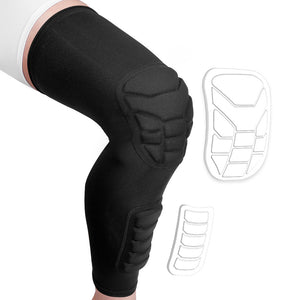
Compression Sleeve for Ankle Swelling
- Black
- Orange
- Green
- Pink
- Black
- Grey
- Blue
- Pink
- Purple
- Black
- Red
- Blue
- Orange
What Does Compression Do to a Swollen Ankle?
Dealing with a puffy, tender ankle can be both incredibly uncomfortable and a major disruption to your daily routine. Whether you twisted your foot on an uneven sidewalk, pushed yourself too hard during a weekend workout, or are managing chronic conditions like arthritis, finding fast ankle pain relief is likely your top priority. One of the most trusted non-invasive ways to manage this issue is to apply targeted pressure. But you might be wondering: how exactly does compression alleviate inflammation and promote healing?
The Science Behind Ankle Swelling and Compression
When you experience a sprained ankle or a minor twist, your body's natural defense mechanism kicks into gear. Blood flow to the affected tissue increases rapidly to deliver white blood cells, resulting in localized inflammation, redness, and swelling, clinically referred to as edema. While this fluid accumulation is a normal and necessary part of the initial healing phase, excessive accumulation can cause severe stiffness and a throbbing sensation.
This is where a compression sleeve for ankle swelling becomes an invaluable tool in your recovery arsenal. By applying snug, graduated pressure around the foot and ankle joint, the garment physically restricts tissue expansion. This controlled environment prevents excess fluid from pooling in the lower extremities, effectively halting the ballooning effect and visibly reducing swelling over time.
Key Benefits of Using Compression Therapy
Enhancing Circulation for Faster Recovery
At the core of compression therapy is its remarkable ability to boost blood circulation. The constant, gentle squeeze helps push deoxygenated blood and lymphatic fluids back up the leg toward the heart—a physiological process known as venous return. By improving local blood flow, your body can more efficiently flush out metabolic waste and cellular debris from the damaged area. Simultaneously, fresh, oxygen-rich blood is delivered to the tissues, delivering the vital nutrients needed to accelerate cellular repair and get you back on your feet faster.
Providing Crucial Joint Support and Stability
Beyond merely addressing fluid buildup, targeted compression provides exceptional structural support. For individuals recovering from a recent sprain, strain, or even a surgical procedure, the ankle joint can feel weak and unsteady. The gentle but firm hold of a sleeve acts as a stabilizing force, limiting micro-movements that could easily aggravate healing ligaments. This protective barrier restores confidence, allowing you to walk, climb stairs, and perform physical therapy exercises with a significantly lower risk of re-injury.
Alleviating Daily Pain and Discomfort
A severely swollen ankle often feels tight, heavy, and hot. By restricting the edema, you inherently reduce the pressure exerted on the surrounding nerve endings. Many people dealing with acute injuries or chronic joint stiffness report that the localized pressure provides an immediate, soothing sensation. It minimizes the distracting ache, making it much easier to concentrate on your daily tasks without being sidelined by foot discomfort.
Maximizing Results with the R.I.C.E. Protocol
It is vital to understand that while applying pressure is highly effective, it works best when utilized as part of a comprehensive at-home care routine. For acute sports injuries or sudden exacerbations of an injury, the RICE protocol is commonly used as an initial treatment:
- Rest: Stay off the affected foot as much as possible to prevent further tissue damage.
- Ice: Apply cold therapy in 15 to 20-minute intervals to numb the pain and constrict blood vessels, further minimizing inflammation.
- Compression: Wear your supportive garment to keep swelling at bay between icing sessions.
- Elevation: Prop your foot up above heart level using pillows. Gravity will work alongside the compression to drain pooled fluid away from the joint.
Relying on a sleeve alone without allowing your body the necessary time to rest can prolong the recovery timeline.
Who Should Consider Compression for Ankle Care?
Ankle swelling is not exclusive to professional athletes or marathon runners. Every day, individuals can find immense value in keeping compression sleeves for ankle swelling in their first-aid kits or gym bags. They are excellent for:
- Active individuals prone to rolled ankles or Achilles tendon strains.
- People who spend long hours standing on hard floors for work experience end-of-day foot fatigue and puffiness.
- Older adults manage the daily stiffness and joint swelling associated with age-related wear and tear.
- Travelers experiencing poor circulation from sitting during long flights or road trips.
Integrating targeted compression into your foot care routine provides a multifaceted approach to healing. By actively reducing fluid retention, promoting optimal blood flow, and offering comforting stability, you give your body the exact environment it needs to recover efficiently. Listen to your body, follow best practices for rest and elevation, and you will be stepping comfortably again in no time.