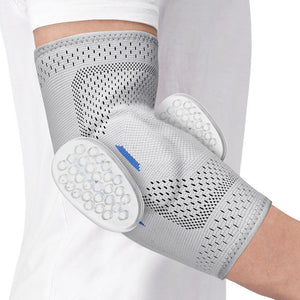
Ankle Compression Sleeve For Swelling
- Black
- Grey
- Blue
- Pink
- Purple
- Black
- Orange
- Green
- Pink
- Black
- Red
- Blue
- Orange
How long should I wear compression sleeves for swelling?
Whether you are an athlete recovering from a strenuous workout, an office worker dealing with poor circulation from sitting at a desk all day, or someone managing chronic joint inflammation, compression garments are highly effective wellness accessories. But a common question arises when managing fluid retention and joint pain: exactly how long should you keep your supportive gear on to achieve the best results?
Recommended Wearing Times for Maximum Relief
The ideal duration for wearing your compression gear depends heavily on the severity of your symptoms and your daily lifestyle.
For Mild Swelling and Muscle Fatigue
If you are experiencing mild swelling due to daily activities, a tough gym session, or a minor sprain, wearing your compression sleeve for 1 to 2 hours at a time is generally recommended. This brief period of gentle, continuous pressure is often enough to stimulate blood flow, flush excess fluid, and encourage a faster recovery. Many people find success slipping their sleeve on right after a workout or at the end of a long day of standing.
For Persistent or Severe Swelling
For more persistent, chronic swelling—often related to edema, long-term joint instability, or slow-healing injuries—you may need extended support. In these cases, you can wear the supportive garment for longer periods, even throughout the entire day, provided it remains comfortable. Sustained, graduated pressure prevents fluid accumulation from worsening as gravity impacts your body during a busy schedule.
Targeting Lower Body Discomfort
Because gravity naturally pulls fluids downward, the lower extremities are particularly prone to puffiness, stiffness, and ongoing discomfort. If you're dealing with swelling in the ankle area, an Ankle Compression Sleeve For Swelling can provide targeted support exactly where you need it most.
This type of wrap is intricately designed to offer the perfect balance of gentle pressure and joint stability. By improving local blood circulation, it efficiently helps reduce localized swelling while allowing you to maintain your active lifestyle safely. For optimal results, you can wear it during daily activities, while running errands, or immediately after exercise to prevent fluid buildup. Always follow the specific guidelines provided by the product for optimal everyday use.
When Should You Take Off Your Compression Sleeve?
While wearing supportive garments can significantly boost your daily comfort levels, it is incredibly important to listen to your body. You should immediately remove the sleeve if you experience any of the following warning signs:
- Pinching or chafing: The fabric should feel snug but never painful or restrictive.
- Numbness or tingling: A "pins and needles" sensation means the fit is too tight and is restricting your circulation rather than helping it.
- Lack of improvement: If the swelling doesn’t seem to improve or actually gets worse over time.
- Skin irritation: Any discoloration, redness, or itching below the sleeve indicates it is time to give your skin a break.
Can You Wear Compression Gear While Sleeping?
A frequent Google search term is whether it is safe to sleep with compression gear on to wake up with reduced inflammation. Generally, it is best to remove your sleeve before going to bed. When you are lying flat, your circulatory system does not have to fight gravity to pump blood and fluids back to your core, meaning the extra surface pressure is usually unnecessary. Taking it off at night also allows your skin to breathe and prevents accidental restriction of blood flow while you are asleep.
Final Tips for Managing Joint Swelling Safely
To get the most out of your recovery routine, always ensure you have selected the correct size. A sleeve that is too tight can block healthy circulation, while one that is too loose will fail to provide the necessary therapeutic pressure to minimize fluid retention. Elevating the affected limb above your heart, staying hydrated, and engaging in gentle mobility exercises can also perfectly complement your daily compression therapy.
Always consult with a healthcare professional or physical therapist if you're unsure about the duration or frequency of use, especially if your swelling is accompanied by sharp pain, sudden changes in your mobility, or if you are managing underlying health conditions.