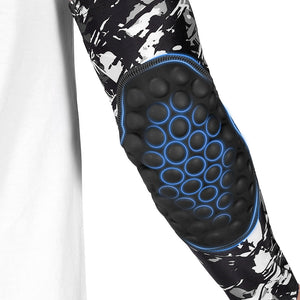
Ankle Brace for Neuropathy
- Black
- Grey
- Blue
- Pink
- Purple
- Black
- Red
- Blue
- Orange
- Black
- Orange
- Green
- Pink
How do you exercise your ankle for neuropathy?
Dealing with numbness, tingling, or sharp nerve pain in your lower extremities can be incredibly frustrating and debilitating. Peripheral neuropathy often affects the feet and ankles, leading to a loss of sensation, muscle weakness, and a general feeling of instability. Because of these challenges, many people hesitate to stay active. However, targeted movement is actually one of the most effective ways to manage your symptoms.
Exercising your ankle when you have neuropathy can drastically improve localized blood circulation, rebuild atrophied muscle strength, and restore lost joint mobility. By encouraging blood flow, you help deliver vital oxygen and nutrients to damaged nerves, which is essential for symptom management.
Here is a comprehensive, step-by-step guide to safely and effectively exercising your ankle if you have nerve damage, along with practical advice for supporting your joints during physical activity.
Why Ankle Exercises Matter for Nerve Health
When neuropathy affects the lower legs, it can lead to conditions such as foot drop, poor balance, and an increased risk of falls. A sedentary lifestyle only worsens these issues by allowing the muscles around your joints to stiffen and weaken. Incorporating a daily exercise routine helps to:
- Enhance Blood Circulation: Movement acts as a natural pump, pushing blood toward your extremities and aiding nerve repair.
- Boost Flexibility: Stretching helps prevent tendons and ligaments from stiffening, reducing the tightness and pain often associated with nerve damage.
- Improve Proprioception: Strengthening the surrounding muscles helps your brain better understand where your foot is in space, compensating for diminished nerve signals.
Step-by-Step Ankle Exercises for Neuropathy
Before starting any new physical routine, ensure you are seated in a safe environment or have a sturdy surface to hold onto.
1. Seated Ankle Circles
How to do it: Sit comfortably in a supportive chair with your back straight. Lift one foot slightly off the ground. Slowly and deliberately rotate your ankle in a full circle. Complete ten clockwise rotations, then reverse to complete ten counterclockwise rotations. Switch to the other foot.
Benefits: This low-impact movement gently lubricates the joint, improves overall mobility, and rapidly reduces early-morning stiffness without placing any weight-bearing strain on your nerves.
2. The Towel Stretch
How to do it: Sit on the floor or on your bed with your legs fully extended in front of you. Take a standard bath towel and loop it around the ball of your foot. Holding both ends of the towel with your hands, gently pull the towel toward your body while keeping your knee straight. Hold the stretch for 20 to 30 seconds and release.
Benefits: This directly stretches the calf muscles and the Achilles tendon. Relieving tension in the back of the leg increases ankle flexibility and alleviates the pulling sensation that can aggravate nerve pain.
3. Toe Taps and Heel Raises
How to do it: This can be performed seated or standing (make sure you are holding onto a counter or sturdy chair for balance if standing). First, keep your heels on the ground and lift your toes as high as they will go, then tap them back down. Next, keep your toes on the ground and raise your heels as high as possible. Alternate smoothly between these two movements for two to three minutes.
Benefits: This combination strengthens both the anterior (front) and posterior (back) muscles of your lower leg. Building these muscles improves your balance, promotes structural stability, and combats the muscle wasting frequently caused by peripheral nerve damage.
4. Resistance Band Strengthening
How to do it: Sit with your leg extended in front of you. Wrap a light-tension resistance band around the ball of your foot, holding the ends firmly in your hands. Slowly push your foot forward against the band’s resistance—similar to pressing down on a car's gas pedal. Hold for two seconds, then slowly let your foot return to the starting position.
Benefits: Resistance training actively rebuilds the stabilizing muscles in the foot and lower leg, providing better natural support for the joint and encouraging healthier motor nerve function.
5. Low-Impact Walking
How to do it: Put on a pair of highly supportive, well-cushioned shoes. Take short, intentional walks on flat, even surfaces. Pay close attention to your heel-to-toe strike as you step.
Benefits: Gentle walking is a phenomenal cardiovascular workout that increases overall blood flow throughout the body. It helps pump nutrient-rich blood to the furthest points of your body, which is vital for long-term neuropathy management.
Enhancing Your Routine with Proper Ankle Support
Because nerve damage can severely diminish your ability to feel the ground, you are at a much higher risk of rolling or spraining your ankle during physical activity. Providing your joints with external structural support can make all the difference in your recovery and exercise journey.
Wearing an ankle brace for neuropathy can provide essential support during your daily exercises. A high-quality support garment offers firm stability and protection, significantly reducing the risk of accidental falls or further joint injury. The gentle compression provided by the brace helps keep the ankle correctly aligned in its proper anatomical position. This alignment minimizes the discomfort triggered by nerve misfires and confidently supports weak, fatigued muscles as you move.
If you are dealing with varying levels of swelling or pain on different days, looking into adjustable ankle braces for neuropathy is highly recommended. These supportive sleeves and wraps can be tailored to your specific daily needs, offering customized compression to improve localized circulation while providing peace of mind during your walks and stretches.
Essential Tips for Exercising with Nerve Damage
To get the most out of your rehabilitation routine while staying perfectly safe, keep these practical tips in mind:
- Start Slow: Never rush into an intense workout. Begin with very gentle, seated exercises and slowly increase the intensity and duration of your movements as your lower body grows stronger.
- Daily Foot Inspections: Because neuropathy reduces your ability to feel pain or friction, always check your feet for blisters, cuts, or redness after exercising.
- Stay Consistent: Nerves and muscles respond best to repetition. Performing these gentle exercises daily will yield much more noticeable improvements in your strength, flexibility, and pain levels than sporadic, heavy workouts.
- Prioritize Footwear: Never exercise barefoot if you have severe numbness. Always wear well-fitting, protective shoes that provide ample cushioning for your soles.
By dedicating just a few minutes each day to these targeted movements, you can actively fight back against neuropathy symptoms, keeping your feet and ankles strong, flexible, and ready for daily life.