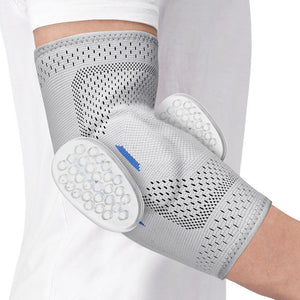
XXL Ankle Brace
- Black
- Orange
- Green
- Pink
- Black
- Grey
- Blue
- Pink
- Purple
- Black
- Red
- Blue
- Orange
How Do I Know My Ankle Size?
Knowing your ankle size is a fundamental step toward achieving optimal joint support and preventing future injuries. Whether you are recovering from a recent sprain, managing chronic joint instability, or simply seeking extra stability during physical activities, finding the perfect fit is non-negotiable. An improperly sized support can either be too loose, rendering it completely ineffective, or too tight, which severely restricts healthy blood flow and causes deep discomfort.
Why Accurate Ankle Measurement is Crucial
When looking into joint support options, many people mistakenly guess their size based on their shoe size or general body weight. However, ankle circumference varies widely regardless of your foot size. Taking the time to measure your ankle properly ensures that the compressive support you choose will provide targeted stabilization right where you need it most. This is particularly vital for those who experience regular swelling or require larger, more accommodating sizes to maintain an active, pain-free lifestyle.
Essential Tools for Measuring
You do not need specialized tools to figure out your ankle circumference. You simply need:
- A flexible measuring tape (often used for sewing or tailoring).
- Alternative method: If you don't have a soft tape measure, you can easily use a simple piece of string, yarn, or even a shoelace, along with a standard desk ruler or stiff metal tape measure.
Step-by-Step Guide: How to Measure Your Ankle Accurately
To guarantee a highly accurate reading, follow these straightforward steps before making a purchase.
1. Timing is Everything
It is highly recommended to measure your ankle at the very end of the day. As you stand, walk, and go about your daily routine, fluid naturally accumulates in your lower extremities. By late afternoon or evening, your feet and ankles are likely at their largest due to this typical daily swelling (edema). Measuring now ensures your gear won't feel uncomfortably tight or restrictive after a long day on your feet.
2. Locate the Correct Measurement Point
Sit down in a comfortable chair with your foot resting completely flat on the floor. Reach down and find the distinct bony protrusion on the outer side of your ankle. In anatomical terms, this is known as the lateral malleolus. This bony bump serves as your primary reference point. You will want to take your measurement around the narrowest part of your lower leg, located just above the malleolus.
3. Wrap and Measure
Take your flexible measuring tape and wrap it completely around your ankle at the point just above the bone. The tape should sit flush against your skin—snug, but definitely not pulling or pinching. Pulling the tape too tightly will result in a measurement that is too small, leading to circulation issues later on.
If you are using the string method, wrap the string around the exact same spot. Pinch the string precisely where the end meets the rest of the loop, lay it perfectly flat on a table, and measure that length with your standard ruler. Note your final measurement in both inches and centimeters, as sizing charts can utilize different measurement units.
Finding the Perfect Fit for Larger Ankles
Once you have your exact circumference recorded, compare it against the specific sizing chart provided by the brand you are purchasing from. Keep in mind that sizing is not universal; a medium in one brand might be a large in another.
If your measurement falls on the higher end of a sizing chart, it is highly recommended to explore larger options. Trying to squeeze into a support that is too small will only cause painful chafing and throbbing. For instance, if your measurements point toward the top of the scale, an XXL ankle brace might be the most suitable and comfortable option for you.
Wearing an extra-large ankle brace provides the robust support and structural stability needed for those with thicker ankles, wider calves, or a history of severe swelling. The right fit helps alleviate joint pain and protects against unnatural twisting during sports, walking, or regular daily activities. Choosing a dedicated plus-size ankle brace ensures the design inherently accommodates a larger circumference, allowing ample breathing room without sacrificing the compression necessary for healing and stabilization.
Features to Look For When Sizing Up
When selecting larger sizes, pay close attention to the design and materials. Look for options featuring adjustable wrap systems or hook-and-loop straps. These adjustable features allow you to customize the level of compression and easily adapt the fit throughout the day if your ankle swells or shrinks. Additionally, prioritize breathable, moisture-wicking fabrics to prevent overheating during extended wear.