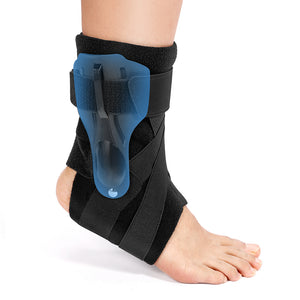
Bionic Ankle Brace
- Black
- Orange
- Green
- Pink
- Black
- Grey
- Blue
- Pink
- Purple
- Black
- Red
- Blue
- Orange
What are the side effects of the ankle brace?
Ankle sprains, strains, and instability are among the most common injuries encountered by athletes and active individuals. To speed up recovery, manage pain, and regain joint stability, many people turn to supportive gear. While specialized options like the Bionic Ankle Brace can provide exceptional structural support and prevent reinjury during physical activity, wearing them incorrectly can lead to unintended consequences.
If you find yourself searching for answers to questions like, "Is it bad to wear an ankle support all day?" or "Can wearing a brace cause foot numbness?", it is crucial to understand the potential downsides of improper use. Here is a comprehensive look at the side effects of ankle braces and how to prevent them.
5 Potential Side Effects of Wearing an Ankle Brace
1. Skin Discomfort, Chafing, and Irritation
Wearing a tight support for extended periods—especially during high-intensity sports like basketball, running, or tennis—can trap heat and moisture against your skin. If the material rubs persistently during movement, it can lead to friction burns, severe redness, chafing, and painful blisters. This side effect is particularly common if the gear is strapped on too tightly, worn without a seamless moisture-wicking sock, or made of thick, non-breathable fabric.
2. Restricted Range of Motion and Limited Mobility
Although a high-quality bionic ankle brace is purposefully designed to limit excessive twisting and lateral movements to protect damaged ligaments, this intentional restriction can sometimes be a double-edged sword. By locking the joint into a safe position, the structural supports naturally limit your overall range of motion. While this stiffness is highly beneficial during the acute phase of recovery, athletes and active individuals may find the lack of full mobility frustrating when attempting complex, agile, or explosive movements.
3. Muscle Dependency and Joint Weakness
One of the most frequently searched concerns regarding supportive wear is dependency. Can wearing a brace weaken your ankle? Yes, prolonged and continuous use can lead to muscle atrophy. When a rigid structure does all the heavy lifting, the muscles, tendons, and ligaments surrounding the ankle joint do not have to work as hard to maintain balance. Over time, this lack of active engagement can weaken the supporting tissues, potentially slowing the natural healing process and leaving you more vulnerable to chronic ankle instability once the gear is removed.
4. Poor Circulation, Numbness, and Foot Swelling
A common mistake many individuals make is cranking the straps as tightly as possible, believing that a tighter fit equals better protection. However, over-tightening can severely constrict blood flow to your foot and lower leg. This vascular restriction often results in throbbing pain, increased localized swelling (edema), cold toes, a tingling "pins and needles" sensation, or complete numbness.
5. Decreased Proprioception and Sensory Feedback
Proprioception is your body's subconscious ability to sense its position in space and maintain balance. While a bionic ankle brace provides outstanding external armor against sudden twists and rolls, covering the skin and joint can occasionally dull the natural sensory feedback transmitted from the ankle to the brain. A reduction in this neuro-muscular feedback might mildly affect your natural balance or spatial awareness during highly dynamic activities.
How to Prevent Side Effects and Maximize Your Recovery
To get the most out of your joint support without experiencing negative drawbacks, follow these highly effective usage recommendations:
Ensure a Proper, Customized Fit
Always take accurate measurements of your foot and ankle circumference and compare them with the specific sizing chart before wearing. A correctly sized support will provide the necessary compression to reduce swelling without pinching the skin or cutting off circulation.
Limit Wear Time to Active Periods Only
To prevent muscle weakness and dependency, use your gear strategically. Wear it primarily during weight-bearing activities that stress the joint, such as walking, working on your feet, or exercising. When you are resting on the couch or sleeping, take the brace off to let your skin breathe and your ankle move freely.
Make Regular Adjustments Throughout the Day
Your foot naturally swells and shrinks throughout the day depending on your activity level, temperature, and hydration. Do not just strap it on in the morning and forget about it. Periodically check the tension and adjust the straps to ensure continuous comfort and healthy blood circulation.
Pair Bracing with Physical Rehabilitation Exercises
The ultimate goal of recovery is to restore your body's natural strength. Whenever you are not wearing your support, engage in targeted physical therapy exercises. Focus on calf raises, resistance band stretches, and single-leg balance drills. Strengthening the surrounding musculature is the best way to improve natural stability and reduce your long-term reliance on external aids.
The Bottom Line on Ankle Support Safety
When utilized properly, bionic ankle braces are incredibly effective tools for managing acute injuries, reducing recovery time, and providing peace of mind during athletic endeavors. By understanding the potential side effects—and proactively managing your fit, wear time, and rehabilitation routine—you can safely navigate your healing journey and get back on your feet stronger than ever.