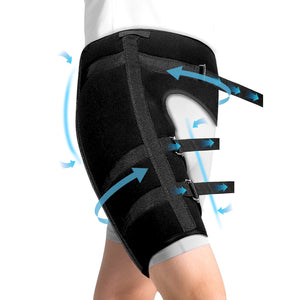
Osteoarthritis Ankle Brace
- Black
- Grey
- Blue
- Pink
- Purple
- Black
- Orange
- Green
- Pink
- Black
- Red
- Blue
- Orange
How Do You Treat Severe Osteoarthritis in the Ankle?
Severe ankle osteoarthritis can significantly affect your daily routine, turning simple tasks like walking, climbing stairs, or standing for extended periods into painful challenges. Characterized by the progressive breakdown of protective cartilage, this degenerative joint condition often leads to chronic inflammation, swelling, and debilitating ankle joint stiffness.
When the cushioning in your joint wears away—sometimes resulting in bone-on-bone friction—finding effective pain relief becomes a top priority. If you or a loved one are struggling with severe ankle arthritis symptoms, it is crucial to understand the wide array of conservative, non-surgical treatment options available to help you regain mobility and improve your overall quality of life.
Comprehensive Non-Surgical Treatments for Ankle Arthritis
Managing degenerative joint disease effectively typically requires a multi-faceted approach. By combining different therapies, you can address pain, reduce inflammation, and protect the remaining cartilage.
1. Lifestyle Modifications and Weight Management
The first and most fundamental step in treating severe osteoarthritis involves strategic lifestyle changes. Every step you take places a load on your lower extremities equal to several times your body weight. Maintaining a healthy weight is one of the most effective ways to reduce mechanical stress on a compromised ankle joint, directly alleviating pain and slowing the progression of cartilage wear.
Additionally, modifying your exercise routine is vital. Transitioning away from high-impact activities like running or jumping is highly recommended. Instead, embrace regular low-impact exercises, such as swimming, water aerobics, or stationary cycling. These activities boost cardiovascular health, enhance joint mobility, and strengthen the supporting muscles without subjecting your ankle to painful impacts.
2. Targeted Physical Therapy and Rehabilitation
Working alongside a licensed physical therapist can be life-changing for those suffering from chronic ankle pain. A customized physical therapy program focuses on strengthening the stabilizing muscles around the ankle joint, including the calves, shins, and intrinsic foot muscles.
Therapists also utilize stretching routines to improve Achilles tendon flexibility and restore a healthier range of motion. Furthermore, physical therapy can teach you proper gait mechanics, ensuring you walk with a technique that minimizes discomfort and prevents compensatory injuries in your knees or hips.
3. Joint Stability with Ankle Bracing
When dealing with a highly compromised joint, providing external support is incredibly beneficial. Integrating an osteoarthritis ankle brace into your daily wardrobe is a highly recommended conservative strategy.
A high-quality brace delivers targeted compression that helps manage chronic swelling while providing essential structural stability. By restricting painful side-to-side micro-movements and helping to distribute body weight more evenly across the foot and ankle, the right support can significantly reduce sharp pains during movement. Wearing your brace during physical activities, when navigating uneven terrain, or while standing for prolonged periods can offer considerable relief and help you maintain an active, independent lifestyle.
4. Strategic Pain Management and Medications
To combat the daily aches and localized swelling associated with severe joint degeneration, various over-the-counter and prescription options are available. Nonsteroidal anti-inflammatory drugs (NSAIDs), such as ibuprofen or naproxen, as well as acetaminophen, can provide effective short-term relief from pain and joint inflammation.
For those who prefer to avoid oral medications due to stomach sensitivities, topical treatments are an excellent alternative. Topical NSAID gels, creams, or patches can be rubbed directly into the skin over the affected joint, delivering targeted pain relief exactly where you need it most. Always consult your healthcare provider to determine the safest and most effective medication regimen for your specific health profile.
5. Proper Footwear and Orthotic Inserts
Never underestimate the power of proper footwear when treating lower-body osteoarthritis. Shoes with a stiff sole and a "rocker bottom" design are frequently recommended by podiatrists and orthopedic specialists. The curved sole of a rocker-bottom shoe helps propel the foot forward during a natural walking stride, requiring less bending at the ankle joint.
Pairing supportive shoes with shock-absorbing orthotic inserts or custom-molded insoles can further cushion the heel and midfoot, taking unnecessary pressure off the ankle cartilage.
When to Consult a Specialist for Ankle Pain
While these conservative treatments are highly successful for many individuals, severe osteoarthritis is a progressive condition. If lifestyle changes, physical therapy, bracing, and medications no longer provide adequate pain relief, it may be time to consult with an orthopedic specialist. A specialist can discuss advanced interventions, such as corticosteroid injections for rapid inflammation reduction, hyaluronic acid injections for joint lubrication, or ultimately, surgical options designed to permanently stabilize the joint and eliminate bone-on-bone pain.