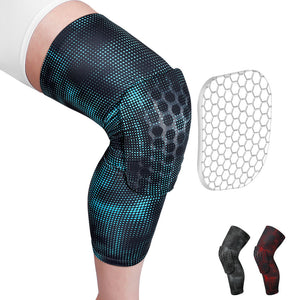
Ankle Brace for Gout
- Black
- Grey
- Blue
- Pink
- Purple
- Black
- Orange
- Green
- Pink
- Black
- Red
- Blue
- Orange
What is the fastest way to cure gout in your ankle?
Experiencing a sudden, severe, and burning pain in your ankle? You might be dealing with a gout flare-up. Gout is a complex form of inflammatory arthritis characterized by the buildup of uric acid crystals within the joints. When this strikes your weight-bearing joints, it can cause debilitating pain, intense swelling, redness, and stiffness, making it nearly impossible to walk comfortably.
While there is no instant, overnight "cure" for the underlying condition, you can dramatically accelerate your recovery and find fast relief. To quickly alleviate gout symptoms in your ankle, the most effective approach is a strategic combination of immediate medical treatment, joint support, and targeted lifestyle modifications. Here is a comprehensive guide to speed up your recovery and get back on your feet.
Immediate Medical and At-Home Treatments for Fast Relief
Fast-Acting Medications to Reduce Inflammation
To rapidly diminish gout symptoms in your ankle, addressing the acute inflammation is your first priority. Over-the-counter nonsteroidal anti-inflammatory drugs (NSAIDs), such as ibuprofen or naproxen sodium, are highly effective at lowering swelling and dulling sharp joint pain. For more severe gout attacks, your doctor might prescribe stronger targeted medications, including colchicine or oral corticosteroids, to aggressively tackle the acute flare-up. Taking these medications at the very first sign of ankle discomfort is the fastest route to managing the pain.
The R.I.C.E. Method: Rest and Elevation
When uric acid crystals attack the ankle joint, any unnecessary friction or movement will only worsen the internal irritation. Rest your ankle completely and avoid putting any body weight on the affected foot. To rapidly reduce throbbing and swelling, elevate your ankle above heart level with supportive pillows. Gravity will help drain excess fluid from the inflamed area, providing immediate, noticeable pain relief.
Ice Therapy to Numb Gout Pain
Applying cold temperatures to the swollen ankle restricts local blood flow, which naturally reduces inflammation and temporarily numbs the sharp, burning sensation. Apply an ice pack, wrapped in a thin towel, directly to your ankle for 15 to 20 minutes, several times a day. Be cautious never to apply ice directly to the bare skin to prevent frostbite and further tissue irritation.
Supportive Gear to Protect Your Inflamed Joint
Utilize Targeted Ankle Support
During a gout attack, your joint becomes highly unstable and incredibly tender to the touch. Wearing an Ankle Brace for Gout that is specifically designed to provide gentle compression and firm support can be a game-changer. A supportive brace helps limit painful micro-movements, reduce localized edema, and improve your overall mobility as the worst of the flare-up begins to subside. It acts as a protective shield around your vulnerable joint, keeping it secure while you navigate the recovery process.
Choose Loose, Proper Footwear
Wearing restrictive or tight shoes will only add agonizing pressure to an already inflamed joint, potentially prolonging your ankle gout symptoms. Opt for loose-fitting, wide, and highly supportive footwear. If the swelling is severe, wearing adjustable slippers or open-toed sandals can prevent unwanted friction on your tender ankle until the flare-up resolves.
Dietary and Lifestyle Changes to Flush Uric Acid
Hyper-Hydration
One of the most effective and natural ways to speed up gout recovery is to drink plenty of water. High uric acid levels are the root cause of gout, and your kidneys require adequate hydration to process and flush excess uric acid from your system through urine. Aim to drink at least 8 to 12 large glasses of water daily during a flare-up. Staying highly hydrated dilutes the uric acid in your bloodstream, preventing new crystals from forming.
Eliminate Purine-Rich Foods and Alcohol
What you eat directly impacts the severity and duration of your gout attack. Purines are naturally occurring chemical compounds found in certain foods that break down into uric acid inside the body. To stop fueling the painful fire, immediately pause your intake of purine-rich foods, including red meat, organ meats (like liver), and certain types of seafood and shellfish.
Furthermore, you must heavily reduce or completely eliminate alcohol consumption—especially beer and grain liquors. Alcohol not only triggers gout attacks but also actively impairs your kidneys' ability to excrete uric acid effectively, trapping the painful crystals in your ankle joint.
How to Prevent Future Ankle Gout Attacks
Once you have conquered the acute pain of an ankle gout attack, long-term management becomes vital to prevent uric acid from crystallizing in your joints again. Maintaining a healthy body weight reduces the daily mechanical stress on your lower extremities. Sticking to a low-purine diet rich in complex carbohydrates, fresh vegetables, and low-fat dairy can keep your uric acid levels well within a normal, healthy range. If you suffer from frequent or chronic gout flare-ups, consult your healthcare provider about daily maintenance medications designed to block uric acid production and keep your ankles pain-free for good.