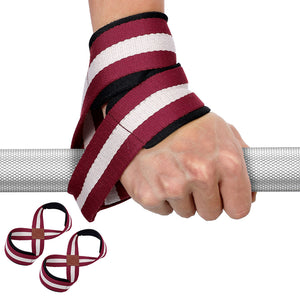
Heavy Duty Ankle Brace
- Black
- Orange
- Green
- Pink
- Black
- Grey
- Blue
- Pink
- Purple
- Black
- Red
- Blue
- Orange
What is the Best Brace for an Injured Ankle?
When you're dealing with pain, swelling, and reduced mobility from an injured ankle, finding the right support is crucial for a swift, safe recovery. The best choice ultimately depends on the specific severity of your injury and the precise level of stabilization your joint requires. For moderate to severe ankle sprains, torn ligaments, or conditions that require substantial structural support, an ankle brace is often the best option. These specialized supports are rigorously engineered to provide maximum joint security, intentionally limit excessive movement, and help prevent further trauma while the delicate surrounding tissues heal.
Stabilizing Severe Sprains and High-Impact Injuries
When you suffer a significant twist, trip, or roll, the ligaments can stretch far beyond their natural limits, leading to instability. In these critical scenarios, a heavy-duty ankle brace becomes an essential tool in your rehabilitation journey. This type of robust support typically includes advanced structural features such as rigid side splints or stays, highly adjustable tension straps, and a firm anatomical framework.
The primary goal of this rigid construction is to restrict dangerous lateral movements—specifically the inward twisting (inversion) or outward rolling (eversion) that cause the vast majority of ankle sprains. This high level of joint immobilization is especially beneficial for highly active individuals and athletes eager to return to high-impact physical activities but who need added structural protection to shield the healing joint from accidental reinjury.
Enhanced Comfort, Compression, and Recovery Features
While strict stabilization is the primary function, daily comfort matters as much to support consistent, long-term wear. Beyond the unwavering, solid support of a heavy ankle brace, modern designs focus on ergonomic comfort and advanced breathability. Premium joint supports feature specialized moisture-wicking padding to prevent localized skin irritation, chafing, or excessive sweating during prolonged daily use.
Many advanced models also incorporate built-in targeted compression zones or heat-retaining fabrics. These therapeutic additions further support holistic recovery by reducing localized edema (swelling), flushing out inflammatory waste, and improving blood circulation to damaged tissues. Improved circulation naturally speeds the body's healing timeline, helping you get back on your feet faster.
Flexible Options for Late-Stage Rehabilitation
As you heal, your joint will gradually regain foundational strength and dynamic stability. For less severe injuries, minor tweaks, or the later, more active stages of a comprehensive recovery program, transitioning to a softer, more flexible support is often a great fit.
These lightweight, low-profile alternatives provide mild to moderate support, focusing heavily on proprioceptive feedback rather than rigid, restrictive immobilization. They allow a much greater range of natural motion, enabling you to walk, jog, or perform complex daily tasks with ease while still providing a vital baseline layer of reliable protection against sudden, unexpected movements.
Making the Right Choice for Your Active Lifestyle
In conclusion, investing in reliable heavy-duty ankle braces is ideal for individuals dealing with significant joint trauma, as they unequivocally offer the highest level of structural support and injury protection available today. Whether you are recovering from a painful sprain, rehabilitating chronic joint instability, or protecting your body during dynamic movements, the right level of support is crucial. Making an informed choice based on your specific symptoms supports a safe, effective recovery while helping prevent further damage to your vulnerable ankle joint.