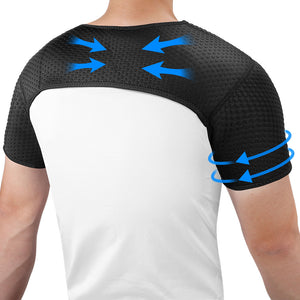
Ankle Protector
- Black
- Grey
- Blue
- Pink
- Purple
- Black
- Red
- Blue
- Orange
- Black
- Orange
- Green
- Pink
Do footballers wear ankle protectors?
Yes, many professional and amateur athletes alike rely on supportive gear to reduce the risk of debilitating injuries, particularly common sprains and strains. The intense, dynamic nature of football—widely known as soccer—demands explosive sprints, high-impact tackles, sudden directional shifts, and frequent jumps. These rigorous movements place tremendous stress on the lower body. Utilizing high-quality Ankle protectors provides the essential support and joint stability required to keep players on the pitch and help them avoid season-ending setbacks.
Why Do Footballers Wear Ankle Protectors?
Proactive Injury Prevention on the Field
Ankle sprains are incredibly common in contact sports, often occurring during rapid pivots, awkward landings on uneven turf, or heavy tackles from opposing players. Wearing an ankle support helps stabilize the fragile joint complex, effectively limiting excessive lateral movements and drastically reducing the risk of severe ligament damage. By strengthening the vulnerable tendons and ligaments, players can prevent their feet from rolling or twisting unnaturally (inversion and eversion sprains), helping them stay active and healthy throughout the competitive season.
Crucial Support After a Sports Injury
For athletes who are actively recovering from a prior sprain, strain, or related trauma, returning to the field can be physically and mentally daunting. In these rehabilitation scenarios, using protective athletic gear is a vital precaution. The added structural integrity provided during rigorous training sessions or competitive matches helps athletes regain their physical footing while minimizing the devastating risk of re-injury. This is where durable Ankle protectors shine, bridging the gap between physical recovery and peak athletic performance.
Boosting Player Comfort and Psychological Confidence
Sports are just as much mental as they are physical. Knowing that their joints are securely reinforced gives athletes invaluable peace of mind. This psychological boost translates directly into heightened on-field confidence. When players feel less vulnerable to rolling a joint or sustaining a painful tweak, they are far more likely to commit to aggressive plays, leap higher for aerial challenges, and execute sharp cuts without hesitation.
Common Types of Ankle Supports for Athletes
Athletes have access to a variety of supportive options designed to fit seamlessly inside tight soccer cleats or athletic footwear. Depending on the level of stabilization required, players can choose from several distinct styles:
Athletic Taping
A traditional favorite in locker rooms, specialized athletic tape is usually custom-applied by team athletic trainers. It offers a lightweight, highly personalized fit that restricts dangerous ranges of motion without adding significant bulk inside the shoe. Taping is an excellent choice for preventing acute injuries during a specific match.
Compression Sleeves
For those seeking mild support and enhanced blood circulation, compression garments are a highly popular choice. They provide a snug, warming effect that keeps the joint loose, responsive, and comfortable, making them ideal for general injury prevention and managing minor post-game swelling.
Structured Braces
When dealing with moderate to severe instability or chronic joint weakness, structured braces are often the preferred route. These incorporate strategic strapping systems—often mimicking professional taping techniques—or semi-rigid inserts to deliver maximum protection against severe twists. While they offer the highest degree of safety, they may require a brief adjustment period to ensure they fit comfortably within snug cleats.
How to Choose the Right Gear for Your Game
Selecting the proper supportive equipment depends heavily on a player's specific needs, injury history, and position on the field. Defensive players who frequently engage in heavy, physical challenges might prefer more rigid structural supports to absorb impact. Conversely, agile wingers and forwards who rely on explosive speed and quick footwork might lean toward low-profile taping or lightweight sleeves that do not restrict their natural biomechanics.
Protective ankle gear is a crucial piece of equipment for modern football players. It not only assists in preventing acute injuries but also provides irreplaceable support during recovery phases, enabling players to perform at their absolute best. Whether opting for a protective sleeve, a rigid brace, or traditional athletic tape, choosing the right support system is a vital step toward long-term athletic health and career longevity.