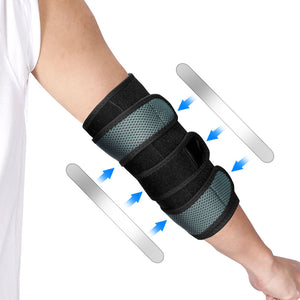
Knee Ankle Foot Orthosis
- Black
- Orange
- Green
- Pink
- Black
- Grey
- Blue
- Pink
- Purple
- Black
- Red
- Blue
- Orange
What is a Knee-Ankle-Foot Orthosis?
A knee-ankle-foot orthosis (frequently abbreviated as KAFO) is a highly specialized orthopedic leg brace designed to surround, support, and stabilize the knee, ankle, and foot simultaneously. By providing comprehensive structural reinforcement to the lower extremities, this essential mobility device helps individuals regain stability, improve their walking gait, and confidently navigate daily life.
For patients undergoing rehabilitation, the introduction of a customized KAFO can be a transformative milestone. It plays a foundational role in the treatment and management of various musculoskeletal and neuromuscular disorders, paving the way for improved mobility and a higher quality of life.
Who Can Benefit from a KAFO Brace?
A KAFO is specifically prescribed for individuals who experience profound weakness, paralysis, or structural instability in their lower limbs. By offering full-leg support, the device compensates for muscle deficits and joint instability. Common conditions that frequently require orthotic intervention include:
- Spinal Cord Injuries (SCI): Assisting patients in maintaining an upright posture and participating in gait training during rehabilitation.
- Cerebral Palsy: Helping to manage muscle spasticity, prevent joint contractures, and correct alignment issues.
- Muscular Dystrophy: Providing necessary external support as intrinsic muscle strength gradually declines.
- Post-Polio Syndrome and Stroke: Offering stability for those dealing with localized nerve damage or severe muscle weakness.
- Orthopedic Trauma: Aiding in the recovery process following severe fractures or complex lower-limb surgeries.
For anyone facing challenges with walking, standing, or simply bearing their own body weight, this orthotic solution offers a safe and reliable method to prevent falls and encourage independent movement.
Core Components and Advanced Design
The primary function of any lower limb orthotic device is to provide steadfast support, enabling users to achieve better biomechanical balance. To accomplish this without burdening the user with excess weight, modern orthotics are constructed from a strategic blend of highly durable, remarkably lightweight materials.
Innovative Materials for Comfort and Durability
Today's customized braces heavily utilize advanced thermoplastics, high-strength aerospace aluminum, and carbon fiber composites. These modern materials ensure the brace can withstand the intense mechanical stresses of daily walking while remaining comfortable enough for extended, all-day wear.
Structural Layout and Adjustability
The physical architecture of the brace generally features rigid upright structures—often referred to as struts—that run vertically along the inner and outer sides of the leg. To ensure a secure, customized fit, the device utilizes a series of ergonomically designed contoured pads and adjustable straps that fasten firmly around the thigh, calf, and foot. This careful weight distribution prevents pressure sores and maximizes user comfort.
The Crucial Role of Mechanical Knee Hinges
One of the most defining features of this particular orthopedic device is the integration of mechanical hinges at the knee joint. These hinges are meticulously engineered to provide a highly controlled range of motion, precisely tailored to the user’s unique anatomical requirements and rehabilitation goals.
Tailoring the Range of Motion
Depending on the severity of the user's condition, the knee joints can be configured in several ways:
- Drop-Lock Hinges: These mechanisms lock the knee in a fully extended, straight position for maximum stability during standing or walking, but can be manually unlocked to allow the knee to bend when sitting.
- Free-Swinging Hinges: Designed for users with sufficient muscle control who only need lateral (side-to-side) stabilization rather than help bearing weight.
- Dynamic and Stance-Control Hinges: These advanced mechanisms automatically lock when the foot strikes the ground and release when the foot lifts, simulating a natural walking stride.
This mechanical flexibility is essential. By providing exactly the right level of control, the brace accommodates dynamic transitions between sitting, standing, and walking, dramatically enhancing the user's ability to perform routine daily tasks safely.
Enhancing Quality of Life and Psychological Well-Being
While the physical and biomechanical advantages of lower extremity orthotics are clear, the profound psychological and emotional benefits are equally significant. Dealing with limited mobility can often lead to feelings of isolation and frustration. Restoring a person's ability to move freely can trigger a massive boost in mental well-being.
Reclaiming Independence
For many users, regaining autonomous mobility means a return to self-reliance. Patients frequently report that utilizing their leg brace significantly reduces their daily dependence on family members and professional caregivers.
Boosting Social Engagement and Confidence
When the fear of falling or collapsing is mitigated by a sturdy, reliable support system, individuals naturally feel much more confident. This newfound assurance directly correlates with increased participation in community events, social gatherings, and recreational activities. Ultimately, finding the right orthotic solution does more than just support a weakened leg—it empowers the individual to lead a more active, vibrant, and fulfilling life.