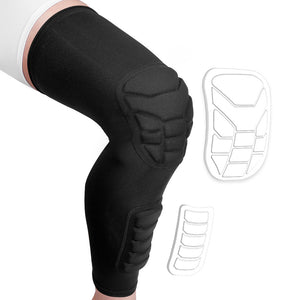
Extra Large Ankle Support
- Black
- Orange
- Green
- Pink
- Black
- Grey
- Blue
- Pink
- Purple
- Black
- Red
- Blue
- Orange
How Do I Get More Ankle Support?
If you frequently experience joint instability, rolling, or discomfort during physical activities, finding reliable ways to improve structural stability is crucial. Weak ligaments and joints can limit daily movement, slow athletic performance, and increase the risk of sprains. Fortunately, gaining better control and preventing future injuries involves straightforward, proactive strategies. By adding targeted fitness routines, smart recovery apparel, and key lifestyle changes, you can build a strong foundation safely.
Here are some effective ways to improve structural stability and keep your lower body healthy.
Perform Targeted Strengthening Exercises
Simple, consistent movements can significantly improve muscle strength, balance, and overall joint stability. Physical conditioning creates a natural defense mechanism against sudden twists and painful sprains by reinforcing the surrounding tissues.
Dorsiflexion and Plantarflexion
This foundational movement enhances flexibility and strengthens the lower leg. Sit upright in a comfortable chair with your feet flat on the floor. Slowly lift your toes upward toward your shin (dorsiflexion), feeling a gentle stretch. Then, smoothly point your toes away from your body toward the ground (plantarflexion). Repeat this steady motion 10 to 15 times for each foot to activate the tissues.
Inversion and Eversion
Sit comfortably with your legs crossed. Carefully pivot your foot inward (inversion) and then pivot it outward (eversion). These isolation exercises target key stabilizing muscles, including the tibialis anterior, gastrocnemius, and the complex peroneal muscles. By consistently training these muscle groups, the entire area becomes more stable and better able to support dynamic, unpredictable movements.
Utilize Wearable Compression Therapy
Managing daily inflammation and promoting optimal circulation are key to maintaining healthy, pain-free movement. Wearable therapy acts as a supportive second skin during daily tasks and workouts.
Wearables with graduated pressure are designed to be tighter at the lowest point of the foot and gradually looser as they extend up the leg. This specialized gradient helps actively promote blood flow back toward the heart and visibly reduces swelling and fluid retention. When inflammation decreases, the joint can move freely, function effectively, and feel significantly more grounded. If you are looking to manage daily fatigue or improve workout recovery, wearing ankle compression socks is a highly recommended strategy.
These garments come in varying levels of tightness, so you can choose the pressure that best fits your comfort and activity needs. Active individuals, long-distance runners, and people who stand all day often rely on them during intense sessions and post-exercise recovery to boost endurance and quickly ease lingering soreness.
Focus on Healthy Weight Management
Your body weight plays a direct and profound role in long-term joint health. Maintaining a healthy weight is absolutely crucial for minimizing mechanical strain. With every single step you take, your lower extremities are forced to bear a massive portion of your total body mass.
Excess weight multiplies this impact force, putting unnecessary, continuous stress on fragile ligaments, tendons, and cartilage. If you carry extra weight, shedding even a small percentage can drastically reduce the daily load on your lower body. A lighter physical load translates directly to a much lower risk of injury, reduced daily fatigue, and significantly enhanced structural resilience over time.
Improve Your Daily Footwear Choices
Stability always starts from the ground up. Shoes that lack proper arch support, have a narrow toe box, or have heavily worn soles can drastically alter your natural walking mechanics. This misalignment frequently leads to severe instability and chronic pain.
Choose well-cushioned, supportive footwear that supports proper foot alignment and provides a firm heel counter. Whether you are running on trails, navigating uneven surfaces, or working long shifts on hard floors, the right supportive shoes will keep your foundation secure and greatly reduce the risk of rolling or straining a delicate ligament. Add orthotic inserts if you have high arches or flat feet to further customize your daily stability.