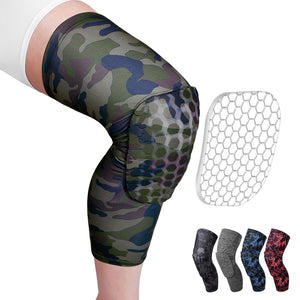
Ankle Wrap for Plantar Fasciitis
- Black
- Orange
- Green
- Pink
- Black
- Grey
- Blue
- Pink
- Purple
- Black
- Red
- Blue
- Orange
Should I Wrap My Ankle If My Achilles Hurts?
Dealing with heel and lower calf discomfort can bring your daily routine to a grinding halt. When your Achilles tendon is hurting, you might naturally wonder whether wrapping your ankle is a smart and effective step toward relief. The short answer is yes, but understanding how and why it helps is crucial for your recovery journey.
Why Your Achilles Tendon is Aching
The Achilles tendon is the thickest and strongest tendon in the human body, connecting your calf muscles directly to your heel bone. Despite its incredible strength, it is highly susceptible to inflammation and micro-tears caused by overuse, sudden increases in physical activity, or improper footwear. When this vital tendon becomes inflamed—a condition commonly known as Achilles tendonitis—every step can feel like a daunting task. Finding ways to mitigate this pain is essential for getting back on your feet.
The Benefits of Using an Ankle Wrap for Achilles Pain
Using a supportive wrap can be an incredibly beneficial strategy for managing heel discomfort and tendon strain. Here is how adding a compression bandage to your recovery routine can facilitate healing:
Enhanced Support and Stability
A well-applied wrap provides immediate structural support to the ankle joint and the surrounding ligaments. By stabilizing the area, you actively reduce the mechanical stress and daily load placed on your Achilles tendon. This added stability minimizes unwanted micro-movements, making walking, climbing stairs, and simply moving around significantly more comfortable.
Reducing Swelling and Inflammation
Compression is a foundational component of the widely recognized RICE (Rest, Ice, Compression, Elevation) method for acute injury management. Wrapping the affected area helps restrict the buildup of excess fluid in the tissues, effectively minimizing swelling and soothing inflammation around the heel and lower leg.
Connecting Achilles Discomfort to Overall Foot Health
It is important to recognize that the mechanics of your foot and lower leg are entirely interconnected. Often, stress on the Achilles tendon does not happen in isolation. Biomechanical imbalances, such as fallen arches or excessive strain on the bottom of the foot, can pull on the heel bone and exacerbate your Achilles pain.
Because of this interconnected relationship, finding an ankle wrap for plantar fasciitis can be highly helpful if your Achilles pain is directly related to underlying issues in the broader foot and arch region. Providing targeted support to the arch and heel can alleviate the upward pull on your Achilles tendon, allowing both conditions to heal simultaneously for more comprehensive pain relief.
How to Wrap Your Ankle Safely
While applying compression is highly beneficial, making sure you wrap your ankle correctly is essential for optimal healing. Always use a clean, elastic bandage. Start by anchoring the wrap near the ball of your foot, carefully moving upward in a figure-eight pattern that covers the foot, heel, and lower leg to provide even, consistent pressure.
Warning Signs of Improper Wrapping
The golden rule of applying compression is that it should feel snug and supportive, never painful. Too tight a wrap can cut off vital blood circulation and cause significantly more problems than it solves. If you experience any numbness, tingling, a throbbing sensation, or notice a bluish tint in your toes, remove the bandage immediately and reapply it with less tension.
When to Consult a Healthcare Professional
If your Achilles hurts, an ankle wrap can be a useful, practical tool in your home-care arsenal. It provides stability, reduces painful swelling, and offers peace of mind as you move throughout your day.
A wrap is not a cure-all for severe injuries like partial or complete tendon tears. Always listen to your body closely. If you are unsure about the severity of your injury, if you cannot bear weight on your foot, or if your pain does not improve after a few days of rest and compression, it is time to consult a doctor or physical therapist. A professional evaluation will ensure you get the exact treatment plan you need for a full, healthy recovery.