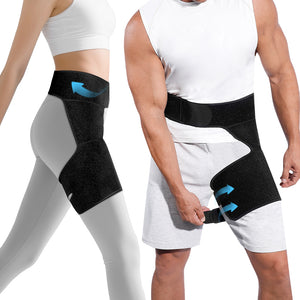
Braces for Feet and Ankles
- Black
- Grey
- Blue
- Pink
- Purple
- Black
- Orange
- Green
- Pink
- Black
- Red
- Blue
- Orange
What Injuries Need an Ankle Brace?
Ankle injuries are incredibly common, affecting everyone from professional athletes to everyday walkers. Ankle braces are widely recognized by physical therapists and orthopedic specialists as essential tools for both active injury recovery and future prevention. They deliver much-needed support, structural stability, and targeted protection to the complex ankle joint, making them highly beneficial for a wide variety of musculoskeletal conditions.
1. Ankle Sprains and Strains
A sprained ankle is arguably the most frequent orthopedic injury treated in emergency rooms and sports clinics today. A sprain occurs when the delicate ligaments supporting your ankle are violently stretched or torn—typically the result of rolling, twisting, or awkwardly turning the foot during physical activity. Whether you are dealing with a minor twisted ankle or a more severe high ankle sprain, a supportive brace can help stabilize the affected joint. This essential stabilization mitigates further tissue damage and accelerates the natural healing process.
Similarly, strains—which involve damage to the muscles or tendons rather than ligaments—benefit immensely from targeted compression. Wearing the right support limits painful movements, alleviates swelling, and significantly reduces the risk of recurrent injury while you recover.
2. Chronic Ankle Instability
Many individuals suffer from chronic ankle instability (CAI), a frustrating condition where the outer side of the ankle frequently "gives way" or feels uncomfortably wobbly during routine daily activities. This persistent weakness is often the lingering result of prior trauma, such as untreated or repetitive ankle sprains.
Utilizing high-quality braces for feet and ankles can provide the crucial external support needed to improve proprioception—your body's subconscious awareness of its position and movement in space. By enhancing this sensory feedback, individuals feel far more secure with each step they take, restoring walking confidence and effectively preventing further structural deterioration.
3. Tendon Injuries and Tendonitis
The intricate network of tendons around your lower extremities is highly susceptible to acute injury and repetitive stress. The Achilles tendon, located at the back of the heel, is particularly vulnerable. Conditions like Achilles tendonitis or tendinopathy cause severe inflammation, stiffness, and heel pain.
Managing these conditions often requires wearing a supportive brace to minimize strain on this thick band of tissue, especially during high-impact exercises like running or jumping, which place immense stress on the lower body. An effective brace not only cushions and supports the joint but can also actively correct foot alignment, serving as a vital component in your holistic recovery regimen.
4. Post-Surgery Rehabilitation
Following orthopedic surgical interventions, safeguarding the vulnerable joint is an absolute priority. Surgical procedures can vary widely, ranging from minimally invasive arthroscopic clean-ups to complex ligament reconstructions and tendon repairs.
Regardless of the specific procedure, using a brace is essential to stabilize the surgical site as the delicate internal tissues heal. Surgeons and physical therapists often recommend stepping down from a heavy walking boot to a streamlined ankle brace to provide the exact level of immobilization and mechanical support required during the critical, transitioning phases of your rehabilitation timeline.
5. Ankle Fractures and Bone Healing
In the unfortunate event of a broken ankle, a hairline stress fracture, or a severe bone contusion, bracing plays a fundamentally supportive role, especially in the later transitional stages of bone healing. While the immediate, acute treatment phase typically calls for hard fiberglass casts or rigid pneumatic splints, transitioning to a flexible yet sturdy brace facilitates a safe return of mobility.
This crucial step allows you to regain a healthy range of motion while continuing to protect the newly healed bone and surrounding soft tissues from harmful impacts and load-bearing stress.
6. Preventive Care for Active Lifestyles
Beyond rehabilitative care, many active enthusiasts use ankle supports proactively. Athletes involved in lateral-movement sports like basketball, tennis, soccer, and volleyball frequently wear them to prevent a rolled ankle. Prophylactic bracing provides excellent protection for your joints, helping you stay active, agile, and safely on your feet under rigorous physical demands.
The Path to Better Ankle Health
Ankle braces are highly versatile tools capable of addressing a vast spectrum of injuries affecting the lower extremities. They do much more than just speed up injury recovery; they actively protect against future sprains, strains, and chronic instability by offering unwavering support.
Whether you are dealing with a fresh twisted ankle, lingering weakness, stubborn tendonitis, post-operative healing, or the final stages of fracture recovery, consulting a qualified healthcare professional about incorporating braces for feet and ankle into your daily routine is a wise step. Remember that while these supports offer remarkable pain relief and structural benefits, they yield the best results when seamlessly integrated into a comprehensive, individualized treatment and physical therapy plan.