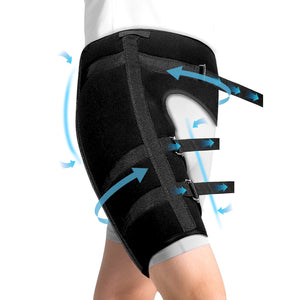
Neoprene Ankle Wrap
- Black
- Grey
- Blue
- Pink
- Purple
- Black
- Red
- Blue
- Orange
- Black
- Orange
- Green
- Pink
Should I Sleep in a Neoprene Ankle Wrap?
If you are dealing with a sprained ankle, chronic joint instability, or arthritis, you already know how crucial proper support is for your recovery. Many individuals turn to a neoprene ankle wrap for consistent support, therapeutic warmth, and targeted compression in their daily routines. But when the day ends, and it is time to rest, a common question arises: Can you wear an ankle brace to bed?
Deciding whether to sleep with an injured ankle wrapped up involves balancing the need for nighttime ankle support with potential discomfort.
The Benefits of Nighttime Ankle Compression
The primary purpose of wrapping an injured ankle is to stabilize the joint, minimize acute pain, and reduce swelling. For those suffering from sudden injuries like strains or chronic conditions such as ankle osteoarthritis, nighttime can often bring increased throbbing or stiffness.
Wearing a wrap to bed can offer several distinct advantages for your recovery process:
- Joint Stabilization: When you toss and turn in your sleep, you risk tweaking an already vulnerable joint. A structured wrap ensures your ankle feels secure, allowing you to sleep more soundly without the constant fear of moving your foot awkwardly and triggering sharp pain.
- Swelling Reduction: Gentle overnight ankle compression helps push excess fluid away from the injury site, effectively reducing morning stiffness and severe swelling.
- Therapeutic Warmth: Neoprene is an excellent synthetic rubber material for heat retention. Keeping the ankle joint warm can soothe stiff ligaments, promote localized healing, and provide significant relief for those experiencing arthritis ankle pain at night.
Key Factors to Consider Before Sleeping in an Ankle Wrap
While there are clear benefits to nighttime support, wearing a heat-retaining material for eight straight hours is not the right choice for everyone. If you are considering keeping your wrap on overnight, you must carefully evaluate two major factors to avoid disrupting your rest.
Risk of Overheating and Night Sweats
By design, neoprene retains body heat to keep muscles and tendons pliable. While this is fantastic for daytime walking or a pre-workout warm-up, wearing it for extended periods during sleep can cause excessive heat. If you are a naturally hot sleeper or prone to night sweats, this localized heat might cause skin irritation, itching, and ultimately disrupt your sleep cycle. If waking up in a sweat sounds worse than the ankle ache itself, you may want to reconsider leaving the wrap on overnight.
Blood Circulation and Proper Fit
One of the biggest dangers of wearing an ankle compression wrap while sleeping is that it can restrict your blood flow. A wrap that feels perfectly snug while you are standing can suddenly feel excessively tight when your muscles relax, and you are lying flat in bed. Poor circulation can actually impede the healing process and lead to uncomfortable complications.
If you choose to wear your wrap to bed, it is vital to ensure a safe, comfortable fit. It should contour to the foot snugly without pinching, digging in, or binding. If you wake up experiencing numbness, a "pins and needles" tingling sensation, cold toes, or increased throbbing pain, you should remove the wrap immediately to restore proper blood flow.
Alternatives for Managing a Sprained Ankle at Night
If you find that a thick neoprene support is simply too uncomfortable for overnight use, there are other highly effective ways to manage an ankle injury while you sleep:
- Elevate the Foot: The most natural way to reduce ankle swelling at night is to sleep with your foot elevated above heart level. Propping your lower leg on a few firm pillows uses gravity to drain pooled fluid and reduce inflammation while you rest.
- Use a Lighter Compression Sleeve: If heavy synthetic rubber causes you to overheat, swapping to a lightweight, breathable fabric sleeve might provide just enough gentle compression to soothe the joint without trapping excessive body heat.
- Strategic Pillow Placement: Even without a wrap, placing a soft pillow under your heel or between your legs can prevent your foot from resting at an awkward, painful angle against the mattress.