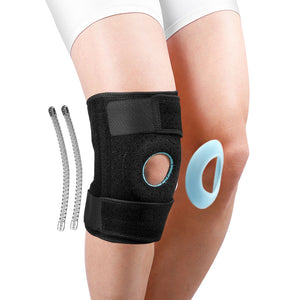
Walking Brace for Broken Ankle
- Black
- Grey
- Blue
- Pink
- Purple
- Black
- Red
- Blue
- Orange
- Black
- Orange
- Green
- Pink
Is a Walker Good for a Broken Ankle?
Sustaining a broken ankle can completely disrupt your daily routine. Whether you have suffered a minor hairline fracture, a severe traumatic break, or are recovering from orthopedic surgery, finding the right mobility aid is crucial to your healing journey. One of the most common questions patients ask during their rehabilitation is: Is a walker good for a broken ankle?
The short answer is yes. A walker offers exceptional balance and stability, making it a highly beneficial tool when navigating the various stages of the recovery process. Let's explore how integrating a walker into your rehabilitation plan can safely speed up your return to normal activity.
The Role of a Walker in Ankle Fracture Recovery
A walker is a specialized mobility aid designed to provide maximum stability for individuals who have difficulty balancing or bearing weight on their lower extremities due to injury or surgery. When you are nursing a broken foot or fractured ankle, protecting the injured bone from excess strain is your top priority. A walker allows you to navigate your home and community safely by redistributing your body weight through your arms and upper body, effectively keeping the pressure off your healing joint.
Transitioning from Crutches and Wheelchairs
In the initial non-weight-bearing stages of your recovery, you might rely heavily on a wheelchair or crutches. However, crutches require significant upper body strength, coordination, and balance. For many individuals—particularly older adults or those lacking upper body strength—crutches can feel unstable and exhausting to use.
A standard walker provides a much wider base of support. As you transition from strict bed rest or a wheelchair to more independent movement, a walker acts as a reliable stepping stone. It empowers patients to mobilize with confidence, drastically reducing the fear of tripping or losing balance.
Maximizing Support: Combining Mobility Aids
Proper immobilization is the cornerstone of healing a fractured ankle. Healthcare providers and orthopedic specialists typically recommend utilizing specialized orthopedic gear to stabilize the joint, support the mending bone, and prevent unwanted twisting or pivoting of the affected area.
The combination of a traditional walker and a high-quality ankle brace walker can significantly enhance your overall recovery timeline. The brace provides the localized, rigid support your bone needs to knit back together correctly, while the walker supplies the external balance required to stay upright.
For optimal protection during your daily activities, pairing your mobility aid with a walker ankle brace ensures that the injured foot remains perfectly aligned and cushioned against accidental impacts. This dual approach to ankle rehabilitation makes moving around feel safer and drastically more comfortable, allowing you to focus entirely on getting better.
Key Benefits of Using a Walker for a Broken Ankle
Integrating a walker into your daily life offers several distinct advantages that can positively impact your orthopedic rehabilitation:
- Enhanced Fall Prevention: The four-point contact of a walker offers unmatched stability compared to canes or crutches. Preventing falls is absolutely critical, as a secondary injury could require surgery or reset your recovery clock.
- Encourages Gradual Weight-Bearing: As your fracture heals, your doctor will eventually clear you for partial weight-bearing exercises. A walker allows you to gently and incrementally apply weight to the injured foot. You have complete control over how much pressure you exert on the ankle joint.
- Promotes Healthy Blood Circulation: Staying entirely sedentary can lead to joint stiffness and muscle atrophy. Using a walker encourages safe, light movement around the house. This gentle activity promotes blood flow to the lower extremities, which delivers vital nutrients to the fracture site and helps reduce swelling.
How to Safely Use a Walker During Ankle Rehabilitation
To get the most out of your mobility aid, proper posture and technique are essential. Ensure that your walker is adjusted to the correct height—the handgrips should line up with the crease of your wrists when you stand naturally.
When maneuvering, push the walker a few inches ahead of you, ensuring all four legs are firmly on the ground. Step forward with your injured leg first, keeping the weight entirely on your hands, and then follow through with your uninjured leg. Taking small, deliberate steps will help you maintain your center of gravity.
Consult Your Healthcare Provider and Physical Therapist
It is highly important to remember that every fracture is unique. Recovery plans, timelines, and mobility requirements should always be tailored to your specific circumstances and medical history. You should always consult with your healthcare provider or orthopedic specialist before introducing a walker into your routine or modifying your current weight-bearing status.
Physical therapy also plays an indispensable role in the recovery process. A licensed physical therapist can provide hands-on guidance on how to effectively use your walker, prescribe exercises to rebuild your range of motion, and help you transition safely back to walking completely unassisted.