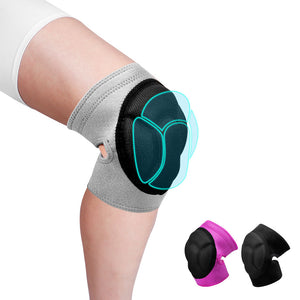
Netball Ankle Brace
- Black
- Grey
- Blue
- Pink
- Purple
- Black
- Orange
- Green
- Pink
- Black
- Red
- Blue
- Orange
How to Prevent Ankle Sprains in Netball
Netball is a highly dynamic, fast-paced sport that demands explosive speed, sudden stops, and rapid changes of direction. While these intense physical requirements make the game thrilling to play and watch, they also place immense stress on the lower body. This constant pivoting and jumping can increase the risk of ankle sprains, which are among the most common injuries in court sports. A rolled or twisted ankle can sideline an athlete for weeks, making proactive joint protection an absolute priority.
The Foundation of Prevention: Ankle Strengthening Exercises
Your muscles and tendons act as the first line of defense against ligament damage. Therefore, strengthening the muscles around the ankle joint and the lower leg is crucial for long-term stability and structural support.
Building Muscular Stability
Incorporating targeted resistance exercises into your regular fitness routine can fortify the area against sudden twists. Calf raises, toe walks, and heel walks are excellent ways to build endurance in the lower legs. Additionally, using resistance bands to perform four-way ankle strengthening (inversion, eversion, dorsiflexion, and plantarflexion) helps build the supporting muscles that absorb the shock of harsh landings.
Enhancing Proprioception and Balance
Proprioception is your body's ability to sense its position in space. Balance training, such as standing on one leg while throwing and catching a ball, or using a wobble board, trains your neuromuscular system to react swiftly to unstable surfaces. When your foot hits the court at an awkward angle, well-trained proprioceptive reflexes will automatically correct your posture before a sprain occurs.
Essential Gear for Joint Protection
Physical conditioning is vital, but outfitting yourself with the correct athletic gear provides the external support necessary for high-intensity games.
Investing in Proper Footwear
Standard running shoes are designed for forward motion and lack the lateral support required for court sports. Investing in high-quality, sport-specific footwear that provides structured lateral support, responsive cushioning, and excellent multi-directional traction is essential. Well-fitting shoes securely lock the heel in place, helping prevent the foot from sliding inside the shoe, which can cause instability. Furthermore, regular checks for sole wear and tear are necessary; once the grip fades or the cushioning compresses, the shoes lose their ability to provide ongoing support and should be replaced.
Utilizing External Joint Support
For many players, especially those who have previously suffered lower-leg injuries, external stabilization is a game-changer. Wearing a well-designed netball ankle brace helps stabilize the joint and firmly limits excessive lateral movement, directly reducing the risk of painful sprains. Wearing this protective gear during both rigorous training sessions and competitive matches is highly effective. A good support system offers compression and structural reinforcement without restricting the forward-and-backward range of motion needed for running and jumping.
Pre-Game Preparation: The Warm-Up Routine
Stepping onto the court with cold, stiff muscles is a recipe for disaster. A structured, sport-specific warm-up prepares the body for the explosive demands of the game.
Dynamic Stretching for Flexibility
Static stretching before a game can actually decrease muscle power. Instead, players should focus on a dynamic stretch routine. Movements such as active leg swings, multi-directional lunges, high knees, and ankle circles enhance flexibility and joint mobility. These actions increase blood flow to the lower extremities, ensuring your muscles and tendons are pliable and fully ready for rapid, unpredictable movements on the hardwood.
Mastering Court Mechanics
Even with the strongest muscles and the best gear, poor technique can leave an athlete vulnerable. Mastering the biomechanics of movement is a critical preventative measure.
Safe Footwork and Landing Techniques
Because the sport's rules strictly regulate how a player can move after receiving the ball, athletes are often forced to stop abruptly. Educating players on safe landing practices and actively improving footwork can significantly reduce the risk of injury.
Coaches and players must focus on absorbing impact correctly. This means landing softly with slightly bent knees and hips, which allows the larger muscles of the thighs and glutes to absorb the shock rather than pushing the force directly into the delicate ligaments of the ankle. Ensuring your weight is evenly distributed and consciously avoiding awkward, off-balance landing angles helps protect the structural integrity of your lower legs.