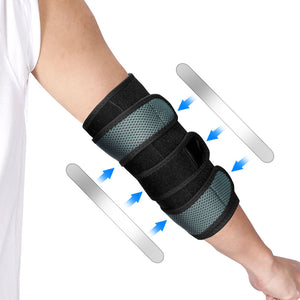
Ortho Ankle Brace
- Black
- Grey
- Blue
- Pink
- Purple
- Black
- Red
- Blue
- Orange
- Black
- Orange
- Green
- Pink
What is an Orthopedic Ankle Brace?
An orthopedic ankle brace is a specialized supportive device explicitly designed to stabilize the ankle joint, alleviate pain, and promote optimal healing in cases of an acute injury, sprain, or ongoing surgical recovery. Recognized as essential tools in orthopedic care and rehabilitation, these braces serve a wide range of vital functions. They prevent unwanted lateral or rotational movements that could exacerbate an existing injury, provide targeted compression to reduce joint swelling, and establish a safe, highly controlled environment for the natural healing process.
If you are navigating the challenging journey of physical rehabilitation, wearing an appropriately fitted ortho ankle brace after a traumatic event or strain can significantly help stabilize your lower extremities. By carefully limiting your range of motion, the brace minimizes the risk of secondary injury while ensuring that damaged ligaments have the time and structural support they need to heal properly.
The Mechanics: How Ankle Support Speeds Up Recovery
When you roll an ankle or sustain a severe sprain, the ligaments connecting your bones are stretched beyond their normal limits, often resulting in microtears, inflammation, and significant discomfort. An ankle brace functions much like an external ligament. Reinforcing the structural integrity of the joint takes the physical burden off your body's natural tissues, allowing you to walk with more confidence and less pain.
Furthermore, the gentle, continuous compression provided by most brace designs plays a massive role in managing edema (swelling). Constant compression helps stimulate proper blood circulation in the affected area, effectively flushing out cellular waste and delivering the oxygen-rich blood that is critical for accelerating cellular repair.
Common Conditions That Benefit from Orthopedic Bracing
While heavily associated with athletes and sports injuries, these supportive garments are highly versatile and recommended for a broad spectrum of foot and ankle conditions.
Acute Sprains and Rolled Ankles
Ankle sprains are among the most common musculoskeletal injuries. Whether sustained during an intense basketball game or simply by awkwardly stepping off a curb, a sprain requires immediate stabilization. A brace helps keep the foot in a neutral, safe position, preventing the painful inversion (inward rolling) or eversion (outward rolling) that caused the trauma in the first place.
Achilles Tendonitis and Overuse Injuries
For individuals suffering from ongoing overuse injuries like Achilles tendonitis or plantar fasciitis, providing the foot with structured support is paramount. A brace can reduce the shock and mechanical strain placed on the tendon during everyday tasks like walking or climbing stairs, drastically lowering daily pain and joint inflammation.
Arthritis and Chronic Ankle Instability
Years of wear and tear or a history of repeated, untreated sprains can frequently lead to chronic ankle instability or osteoarthritis. For those managing these long-term degenerative conditions, a supportive brace offers profound daily relief. It limits the bone-on-bone friction associated with arthritis and provides much-needed proprioceptive feedback—helping your nervous system better understand foot placement to prevent accidental stumbles.
Post-Surgical Rehabilitation
For patients recovering from invasive procedures such as ligament reconstruction or fracture repairs, transitioning from a heavy cast to a more flexible support system is a major rehabilitation milestone. These braces significantly contribute to a successful recovery process by allowing for heavily controlled movement. This gradual reintroduction to weight-bearing activities ensures the ankle safely regains its strength, mobility, and stability without risking the surgical work.
Understanding Materials and Design Variations
Modern supportive gear is constructed from an innovative combination of materials, each selected for its specific healing properties. The most common components include flexible neoprene, high-density plastics, and heavy-duty elastic. These elements work seamlessly together to provide maximum support while still allowing for an essential degree of mobility.
This thoughtful design balance is absolutely crucial. While immobilization is strictly necessary immediately after an injury, prolonged inactivity can lead to severe joint stiffness and muscle atrophy. The right brace offers a dynamic compromise, holding the joint secure while preventing the negative side effects of total immobility.
Typically, these supports are available in a vast array of sizes and structural styles, specifically catering to different user needs depending on the exact nature and severity of the ailment:
- Lace-Up Designs: These provide a highly customizable fit and robust lateral support, making them a favorite for athletes looking to return to running, hiking, or team sports safely.
- Rigid Hinged Designs: Using plastic outer shells on either side of the joint, these braces prevent side-to-side movement entirely while still allowing the foot to point up and down, making them ideal for recovery from severe sprains.
- Compression Sleeves: Relying entirely on elastic and neoprene materials to provide mild support and heat retention, sleeves are excellent for soothing chronic daily aches, arthritis pain, and mild swelling.