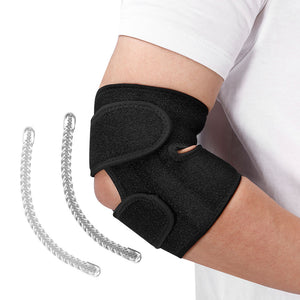
Ankle Support for Overweight
- Black
- Grey
- Blue
- Pink
- Purple
- Black
- Red
- Blue
- Orange
- Black
- Orange
- Green
- Pink
What Happens to Your Ankles When You Are Overweight?
Carrying extra body weight affects nearly every part of your skeletal system, but your lower extremities often take the hardest hit. If you are experiencing foot and ankle pain from weight gain, you are not alone. The complex hinge joint of your ankle is responsible for balancing your entire body. When you are overweight or obese, the structural integrity of this vital joint is pushed to its limits. Understanding how excess weight impacts your ankle health is the first step toward finding lasting relief, preventing injury, and improving your daily mobility.
The Physical Impact of Extra Weight on Your Ankles
Excessive Load and Joint Stress
Your ankles bear a significant portion of your body weight during everyday activities like standing, walking, and climbing stairs. In fact, the mechanical force exerted on your joints multiplies with every single step. For someone carrying excess pounds, this translates into a significantly greater load on the bones, ligaments, and tendons. This added stress dramatically accelerates the daily wear and tear of joint tissues. Over time, the protective cartilage that cushions the bones in the ankle joint breaks down. This deterioration can lead to severe discomfort, chronic stiffness, and early-onset osteoarthritis, making simple movements incredibly painful.
Reduced Shock Absorption and Injury Risk
Under normal circumstances, your muscles, tendons, and ligaments work together seamlessly to absorb shock during movement. However, additional body mass heavily diminishes the ability of these surrounding structures to dissipate impact forces properly. Because the muscles are already working overtime just to support the extra weight, they quickly become fatigued and struggle to act as effective shock absorbers. Consequently, the bones and connective tissues in the ankle joint are subjected to much greater forces than they can safely tolerate. This makes the ankle highly vulnerable to severe sprains, strains, and even stress fractures, particularly if there is a sudden impact, a misstep off a curb, or a fall.
Poor Circulation and Swollen Ankles (Edema)
Weight gain does not just affect your bones; it also heavily impacts your cardiovascular system. When you are overweight, the extra pressure on the blood vessels in your lower extremities can severely slow the flow of blood as it tries to pump back up to your heart. This compromised circulation frequently leads to chronic swelling in the ankles, a condition known as lower-extremity edema, in which excess fluid builds up and pools in the tissues of the lower legs. Furthermore, poor blood flow deprives your ankle tissues of the essential oxygen and nutrients required for cellular repair and maintenance. This lack of vital nourishment can exacerbate existing joint problems and drastically slow down the natural healing process of any minor ankle injuries.
Breaking the Cycle: How to Relieve Ankle Pain When Overweight
Given the numerous structural and circulatory issues excess weight causes in our ankles, taking proactive, preventive steps is crucial. Ignoring persistent aching or swelling can trigger a dangerous downward spiral: ankle pain discourages physical activity, which in turn leads to further weight gain and even worse joint deterioration. Fortunately, there are highly effective, non-invasive strategies to mitigate these challenges, protect your joints, and reclaim your quality of life.
Strategic Dietary Changes for Weight Management
One of the most impactful ways to relieve the daily burden on your lower body is through sustained weight management. Focus on consuming a balanced, anti-inflammatory diet rich in fresh fruits, leafy vegetables, lean proteins, and whole grains. Simultaneously, drastically reduce your intake of highly processed foods, sugary beverages, and trans fats, which can trigger joint inflammation. Simple daily swaps make a big difference: choose grilled fish or baked chicken instead of deep-fried meats, and hydrate with water or unsweetened iced tea rather than high-calorie sodas. These dietary adjustments help create a sustainable calorie deficit, allowing you to shed excess pounds safely and directly reduce the destructive load placed on your ankles.
Utilizing Supportive Gear
Protecting your joints during movement is essential, especially when you are actively trying to increase your daily step count to lose weight safely. It is highly recommended to wear ankle support braces as needed, particularly during physical activity, long periods of standing, or if you have a history of ankle rolling. Incorporating Soft ankle braces into your daily routine can provide gentle, soothing compression that helps improve localized blood circulation and reduce uncomfortable swelling throughout the day. For more intense physical activities or severe joint instability, rigid braces offer enhanced structural support, limiting excessive side-to-side movement and protecting against debilitating twists and sprains.
Consistent Medical Check-ups and Physical Therapy
Never underestimate the value of professional healthcare guidance. Schedule regular visits with a primary care doctor, an orthopedic specialist, or a licensed physical therapist. These professionals can accurately assess the current condition of your joints, provide personalized rehabilitation advice tailored to your specific biomechanics, and detect early warning signs of conditions such as osteoarthritis. By catching these issues early, you can implement appropriate treatments, custom stretching routines, and low-impact exercise plans promptly, keeping you mobile, safe, and pain-free on your wellness journey.