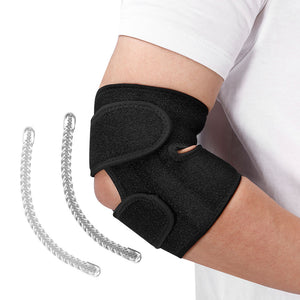
Adjustable Knee Brace
- Black
- Green
- Orange
- Pink
- Black
- Blue
- Green
- Red
- Orange
- Blue
- Dark Blue
- Blue
- Pink
- Grey
- Black
What Does an Adjustable Knee Brace Do?
Because the knee is one of the most vulnerable joints in the human body, an adjustable knee brace has become an essential piece of protective equipment for sports enthusiasts, gym-goers, and anyone dealing with joint discomfort. Usually designed with robust adjustable Velcro straps, these braces provide a customized, personalized fit to meet diverse stability needs. High-end models often take this protection a step further by featuring built-in support strips, lateral hinges, or specialized shock-absorbing washers to offer maximum structural defense for your joints.
Understanding how this equipment functions can completely change how you approach injury prevention and recovery. Below, we dive into the multifaceted benefits of wearing customizable knee supports.
Core Functions and Benefits
Cushioning Impact and Shock Absorption
High-impact activities naturally send intense shockwaves through your lower body. Adjustable braces equipped with specialized shock pads act as a reliable barrier, effectively cushioning the impact generated during vigorous exercise and significantly reducing the mechanical burden on your knees. For instance, athletes engaging in high-contact gridiron action might seek out a metal knee brace for football to absorb severe blows and prevent acute trauma on the field.
Improving Athletic Performance
A well-fitted brace does more than just protect; it actively contributes to your physical output. By functioning as a dedicated knee stabilizer, it disperses excessive pressure away from the patella while providing the additional support necessary to maintain proper joint alignment. For those who prefer a slightly different feel without sacrificing performance, a compression knee sleeve can also be used to keep the joint warm and ready for explosive movements.
Pain Relief and Managing Swelling
One of the most immediate benefits of adjustable knee gear is its ability to combat discomfort. By providing targeted, moderate compression, the brace promotes better blood circulation throughout the joint area. Enhanced blood flow delivers vital oxygen and nutrients to fatigued tissues, making it incredibly beneficial for relieving daily pain, reducing swelling, and preventing stiff joints after intense workouts.
Advanced Rehabilitation Post-Injury
For individuals recovering from joint injuries, meniscus tears, or invasive surgeries, specialized bracing is indispensable. For comprehensive immobilization, a hinged knee brace is frequently utilized to physically limit the knee's range of motion. Fixing the joint in a safe, controlled pathway prevents dangerous hyper-extension and further tissue damage, thereby drastically accelerating the body’s natural recovery process. Whether recovering from a sprain or needing a reliable basketball knee brace for acl rehabilitation, adjustable tension ensures you get the exact level of rigidity required.
Preventing Sudden Injuries
Unstable knees are a recipe for disaster during dynamic physical activities. For people prone to buckling or giving out, securing the knee joint with adjustable straps drastically reduces dangerous internal rotation and lateral twisting. This holds the anatomical structures in place and protects vulnerable ligaments from sudden, season-ending tears.
Adapting to Different Needs and Body Types
Not all bodies are built the same, and recovery needs fluctuate day by day. The customizable Velcro and strap design allows you to incrementally adjust the tightness according to your specific knee circumference and desired support level. This ensures precise protection, whether you have a slim build or are specifically seeking a knee support for large thighs that won't roll down or chafe during a workout.
Important Considerations When Using Protective Gear
While bracing can miraculously relieve the burden on your lower body and bring immense benefits to your daily routine, it is vital to remember that protective equipment should not replace your body’s natural strength. You cannot rely on external support entirely; over-dependence can cause your stabilizing muscles to gradually weaken, leaving joint functionality prone to long-term degeneration.
Just as an athlete might ask how does a tennis elbow strap work to mitigate repetitive upper body strain, understanding the mechanical intent of knee gear helps you use it intelligently. You should utilize your adjustable compression gear moderately and, ideally, under the guidance of fitness professionals or physical therapists.
Furthermore, many people wonder, how long should you wear a knee brace in a day? The general consensus dictates that unless you are instructed otherwise for specific post-surgery recovery, you should limit wear to active periods and usually not exceed 6 hours daily. Improving your inherent joint stability by warming up, stretching to build surrounding muscle strength, and enhancing ligament elasticity through regular exercise remains the ultimate preventive measure against long-term knee problems.
How to Put on an Adjustable Knee Brace Properly
A supportive brace is not an item to be thrown on casually before rushing out the door. Employing the correct application method guarantees that the brace fulfills its protective role while remaining comfortable.
- Selection: Always begin by choosing the optimal brace that matches your size requirements, breathability preferences, and specific athletic demands.
- Cleaning and Prep: Ensure your knees are clean and dry before application. Check that the skin beneath the brace is free from open trauma, severe abrasions, or active inflammation to prevent irritation.
- Wearing: Unfold the adjustable brace completely so you can easily wrap it around the leg. Ensure it entirely covers the joint area and meticulously align the patella ring or the center point of the brace directly over the middle of your kneecap.
- Adjustment: Fasten the straps, adjusting the tension based on the amount of supportive force you need for your activity. Finally, perform a few light bends to check whether it is firmly secured without cutting off your circulation.
An improperly worn brace will not only fail to protect your joint but could actively increase the burden on your knee mechanics by forcing an unnatural gait. Strictly adhere to these wearing guidelines to keep your knees safe, stable, and ready for action.