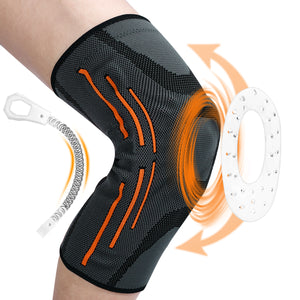
Knee Brace for Hyperextension
- Black
- Green
- Orange
- Pink
- Black
- Blue
- Green
- Red
- Orange
- Blue
- Dark Blue
- Black
- White
- Red
- Blue
- Black
- Blue
- Red
- Orange
- Yellow
- Black
- Blue
- Green
- Red
- Blue
- Black
- White
- Red
- Dark Blue
- Grey
- Black
- Blue
- Pink
- Grey
- Black
- White
- Light Black
- Black
- Light Grey
- Grey
- Magenta
- Black
- Green
- Black
- Grey
- Red
- Blue
What Should I Wear for a Hyperextended Knee?
A hyperextended knee happens when the knee joint is forced to bend backward beyond its natural range of motion. This common joint injury often leads to sharp pain, rapid swelling, and potential damage to essential structural components like ligaments. Knowing how to manage a backward-bending knee injury is essential for a smooth recovery and a safe return to your favorite physical activities.
One of the most frequent questions asked during the healing process is what to wear to protect the injured joint. From stabilizing accessories to everyday apparel, making the right wardrobe choices can significantly accelerate healing, prevent further damage, and reduce daily discomfort.
Choosing the Right Joint Support
When managing this specific injury, stabilization should be your top priority. Wearing a knee brace for hyperextension is a highly effective, non-invasive solution for individuals recovering from this painful condition. This specific type of joint support is engineered to stabilize the knee, restrict backward bending, and protect weakened ligaments from further trauma.
When selecting the perfect support gear, prioritize designs that balance robust stabilization with all-day comfort. Adjustable straps or wrap-around styles are highly recommended, as they allow you to customize the fit and easily accommodate any unexpected swelling or anatomical changes during the different phases of your rehabilitation.
Because you will likely wear this support for extended hours, the material matters. Opt for breathable, moisture-wicking fabrics that prevent uncomfortable heat buildup and sweat irritation. Models equipped with soft, skin-friendly linings help minimize chafing and friction, which is incredibly vital if your daily routine requires you to be on your feet for prolonged periods.
Selecting the Best Clothing for Knee Injuries
What you wear over or under your joint support is just as important as the support itself. You want garments that promote healing rather than hinder it. Loose-fitting athletic pants, breathable sweatpants, or wide-leg shorts are ideal choices. These garments provide ample freedom of movement and easily accommodate bulky joint supports without restricting blood flow.
Conversely, you should steer clear of tight jeans, rigid trousers, or overly restrictive leggings. Tight-fitting clothing can apply unwanted pressure to the injured area, restricting vital circulation, worsening inflammation, and severely exacerbating your discomfort. If you must wear longer pants for work or formal events, choose trousers with wide legs or with spandex-infused fabric for extra stretch and mobility.
Supportive Footwear for Proper Alignment
Your feet are the foundation of your body, and the shoes you wear directly impact the amount of stress placed on your injured joint. To promote proper leg alignment and reduce physical shock, opt for footwear equipped with substantial arch support and thick, shock-absorbing cushioning. High-quality sneakers and specialized walking shoes designed to absorb impact will drastically decrease the jarring force sent up your leg with every step you take.
It is strongly advised to avoid high heels, completely flat sandals, or any shoes with worn-out, inadequate soles. Unsupportive footwear forces your leg muscles and joints to work much harder to stabilize your stride, placing severe and unnecessary strain on recovering ligaments and potentially slowing down your overall recovery timeline.
Additional Wardrobe Additions for Swelling Reduction
If your daily routine, workplace, or lifestyle requires prolonged standing or walking while recovering, incorporating compression socks into your wardrobe can be a game-changer. These specialized garments promote healthy blood circulation in the lower extremities, preventing fluid buildup and reducing painful swelling around the affected area.
Pairing supportive compression wear with sensible, cushioned shoes and the right joint stabilization gear creates an optimal environment for your body to heal efficiently. By making these smart, comfort-focused wardrobe adjustments, you can navigate your recovery journey with greater ease, stability, and confidence.