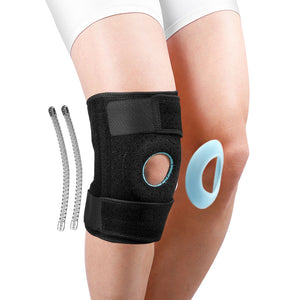
Best Knee Wrap For Baker's Cyst
- Black
- Green
- Orange
- Pink
- Black
- Blue
- Green
- Red
- Orange
- Blue
- Dark Blue
- Black
- White
- Red
- Blue
- Black
- Blue
- Green
- Red
- Dark Blue
- Grey
- Black
- Blue
- Pink
- Grey
- Black
- White
- Light Black
- Black
- Light Grey
- Grey
- Magenta
- Black
Is Walking Recommended with a Baker's Cyst?
If you feel tightness or notice a bulge behind your knee, you may have a popliteal cyst, commonly known as a Baker's cyst. A common question for those looking to stay active is whether walking is safe and recommended. In most cases, walking with a Baker's cyst is safe, but the answer depends on the severity of your condition, the cyst's size, and your symptoms, such as pain, swelling, or joint stiffness.
Understanding a Baker's Cyst
A Baker's cyst develops when excess synovial fluid—the lubricating fluid found inside your joints—builds up and forms a fluid-filled sac in the popliteal bursa located behind the knee. This overproduction of fluid is rarely a standalone issue; it typically results from an underlying joint problem. Common culprits include osteoarthritis, rheumatoid arthritis, or a cartilage tear, such as a meniscus injury.
When you engage in physical activities, the knee joint can become further inflamed, prompting it to produce even more fluid. That is why understanding your limits and supporting your knee properly is vital for anyone aiming to maintain an active lifestyle.
The Pros and Cons of Walking with a Popliteal Cyst
Staying active is generally encouraged for overall joint health, but you must balance movement with recovery.
The Benefits of Low-Impact Movement
Gentle, low-impact activities like walking can actually be highly beneficial. A moderate walking routine helps to maintain joint mobility, prevents the surrounding muscles from stiffening, and promotes healthy blood circulation throughout the lower extremities. Keeping the muscles around your knee strong, such as the quadriceps and hamstrings, can ultimately take unwanted pressure off the joint itself.
The Risks of Overexertion
On the flip side, pushing yourself too hard or going for prolonged, strenuous walks can aggravate your discomfort. Overdoing it can increase friction and inflammation inside the joint capsule, leading to more fluid buildup and a larger, more painful cyst. In severe cases of overexertion, the cyst could even rupture, causing fluid to leak into the calf region, mimicking the painful symptoms of a blood clot and requiring immediate medical attention.
How to Walk Safely and Manage Symptoms
For those dealing with this condition, proactive symptom management is the key to remaining mobile. Paying close attention to your body's signals is the first and most important rule. If walking worsens your pain or makes the back of your knee swell more, rest, elevate the leg, and minimize joint strain.
Utilizing Proper Knee Support
One of the most effective ways to manage swelling and maintain joint stability while walking is through targeted compression. The right knee wrap for Baker's cyst can be a game-changer for daily mobility. A well-designed, high-quality wrap provides soothing compression to the affected area, which helps reduce swelling, prevent excess fluid pooling, and stabilize the delicate knee joint structure.
When shopping for support, look for options that offer adjustable compression. This lets you customize the fit, ensuring it is snug enough to provide support but comfortable enough not to restrict healthy blood flow. A specialized knee wrap for Baker's cyst helps alleviate localized pressure, making the motion of walking smoother and less abrasive on the joint. Additionally, some modern wraps feature integrated pockets for gel pads, allowing you to easily apply cold therapy after your walk to rapidly reduce inflammation and numb lingering pain.
Complementary Conservative Treatments
Alongside wearing the proper support, consider integrating other conservative management techniques into your daily routine:
- The R.I.C.E. Method: Rest, Ice, Compression, and Elevation remain the gold standard for managing acute flare-ups.
- Supportive Footwear: Wear shoes with excellent shock absorption to reduce the impact traveling up your legs with every step.
- Pacing Yourself: Break your daily walks into shorter, more manageable sessions rather than attempting one long, exhausting trek.
When to Consult a Professional
While conservative care and supportive garments can drastically improve your quality of life, it is crucial to keep your healthcare provider in the loop. Gentle walking is generally beneficial, but a doctor or physical therapist can offer tailored advice and targeted exercises that fit your specific anatomical needs. They can also help identify the underlying cause of the fluid buildup, ensuring that you are not just treating the cyst, but also addressing the root joint issue.
If you experience sudden, sharp pain behind the knee with immediate swelling and redness in your calf, seek medical attention right away, as this could indicate a ruptured cyst or a more serious vascular issue. Otherwise, with the right pace, careful attention to your body, and the appropriate compression support, you can safely continue to enjoy the benefits of walking on your road to recovery.