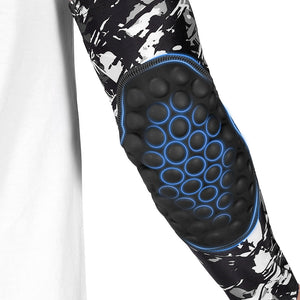
Knee Stabilizer Brace
- Black
- Green
- Orange
- Pink
- Black
- Blue
- Green
- Red
- Orange
- Blue
- Dark Blue
- Black
- White
- Red
- Blue
- Black
- Blue
- Green
- Red
- Dark Blue
- Grey
- Black
- Blue
- Pink
- Grey
- Black
- White
- Light Black
- Black
- Light Grey
- Grey
- Magenta
- Black
Can You Walk with a Knee Stabilizer?
Knee injuries and joint discomfort are incredibly common obstacles that can hinder your daily routine, whether you are a dedicated athlete or someone simply looking to stay active. One highly effective solution for maintaining mobility during recovery is the use of a specialized support system. If you are wondering whether you can stay on your feet, the short answer is yes: walking with a knee stabilizer is not only possible but also actively encouraged for proper rehabilitation. This type of supportive gear is specifically designed to stabilize the knee joint, reduce pain, and prevent further injury while safely allowing movement.
Understanding How Joint Support Enhances Mobility
When dealing with joint instability, every step can feel uncertain. A well-designed brace encompasses the knee, providing targeted compression and essential support to the surrounding muscles, tendons, and ligaments. These supports often feature adjustable straps to ensure a customized, snug fit, along with rigid or semi-rigid components that limit excessive or harmful movement.
For instance, wearing a patella stabilizer knee brace helps ensure that the kneecap tracks smoothly during flexion and extension. By keeping the patella securely aligned, this specific support minimizes the grinding and friction that often lead to acute pain. These braces are particularly beneficial for individuals recovering from meniscus tears, those managing chronic conditions such as osteoarthritis, or anyone rehabilitating after orthopedic surgery.
The Mechanics of Walking with a Knee Brace Stabilizer
Using a supportive brace allows you to walk with greater confidence, but it is essential to fully understand both its purpose and its limitations. The primary function of a knee brace stabilizer is to facilitate structural stability. It achieves this by absorbing shock, evenly distributing body weight across the joint, and preventing unnatural twisting motions that could compromise healing tissues.
For individuals dealing with significant knee pain, ligament sprains, or general joint weakness, this enhanced stability helps reduce discomfort and support proper anatomical alignment during movement. By removing the fear of your knee giving out, you can maintain a more natural gait. A natural walking pattern is crucial because limping or favoring one leg can eventually lead to secondary pains in your hips, lower back, or opposite leg.
Conditions That Benefit from Stabilizing Supports
Several common ailments can make walking painful without the right support. You might find a stabilizer incredibly helpful if you are dealing with:
- Ligament Sprains: Including minor ACL, MCL, or LCL injuries that require restricted lateral movement.
- Osteoarthritis: Where joint compression helps reduce inflammation and warm the affected cartilage.
- Runner’s or Jumper’s Knee: Overuse injuries that require patellar tracking correction.
- Post-Surgical Recovery: Providing a safe transition from crutches back to independent walking.
Choosing the Right Design for Your Activity Level
The type of supportive gear you choose will directly influence your walking experience and overall comfort. There are various designs available on the market, ranging from simple, flexible compression sleeves to highly advanced, structured braces.
If you suffer from mild swelling or a slight ache, a pull-on compression sleeve might provide exactly what you need. However, if you require substantial biomechanical restriction, walking with a knee brace with side stabilizers is entirely possible and highly recommended. These designs typically feature integrated metal or robust plastic hinges that allow the knee to bend forward and backward naturally while completely blocking harmful side-to-side motions. It is essential to carefully assess your specific needs and the severity of your joint condition when selecting your support.
Tips for Safely Walking and Rehabilitating
While a brace provides fantastic external support, you must also pay close attention to your body’s internal signals. Walking should feel supported, not forced. Keep these essential tips in mind for a successful recovery:
- Listen to Your Body: If you experience sharp, shooting pain while walking, stop and rest. A brace minimizes risk, but it does not make your joint invincible to overexertion.
- Pair with Supportive Footwear: Ensure you are wearing cushioned, well-fitting shoes. Proper footwear enhances the shock-absorbing benefits of your knee support.
- Focus on Muscle Strengthening: Maintaining strength in the muscles surrounding the knee—particularly the quadriceps, hamstrings, and calves—is absolutely essential. Targeted strengthening exercises in physical therapy enhance the brace's overall effectiveness by providing internal stabilization to complement the external support, ultimately reducing the risk of future injuries.
- Check Your Fit: An improperly fitted brace can slide down your leg or restrict healthy circulation. Frequently check your adjustable straps to maintain a snug, comfortable compression that stays securely in place throughout your walk.