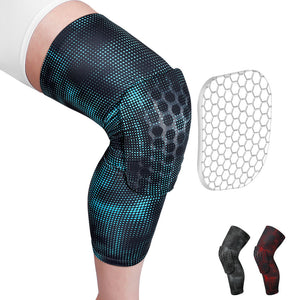
Best Knee Brace for MCL Injury
- Black
- Green
- Orange
- Pink
- Black
- Blue
- Green
- Red
- Orange
- Blue
- Dark Blue
- Black
- White
- Red
- Blue
- Black
- Blue
- Red
- Orange
- Yellow
- Black
- Blue
- Green
- Red
- Blue
- Black
- White
- Red
- Dark Blue
- Grey
- Black
- Blue
- Pink
- Grey
- Black
- White
- Light Black
- Black
- Light Grey
- Grey
- Magenta
- Black
- Green
- Black
- Grey
- Red
- Blue
How to Stabilize an MCL Injury?
A medial collateral ligament (MCL) injury is a highly common joint issue that can occur due to direct trauma, overuse, or excessive lateral force applied to the outside of the knee. When the knee is pushed inward too forcefully, this vital ligament can stretch or tear, resulting in immediate pain, swelling, and a severe sense of instability. Knowing how to properly stabilize the joint after an incident is essential for faster healing, reduced pain, and preventing further long-term damage.
By combining dedicated rest, targeted physical therapy, and the right supportive gear, you can effectively stabilize an injured knee and support a smooth, secure recovery.
Understanding the Medial Collateral Ligament
The MCL is a crucial band of tissue located on the inner part of your knee, connecting the thigh bone (femur) to the shin bone (tibia). Its primary job is to prevent the leg from extending too far inward. When evaluating your recovery needs, it helps to understand the severity of the sprain, which generally falls into three categories:
- Grade 1: A mild stretch with micro-tears. The joint remains relatively stable but is tender.
- Grade 2: A partial tear causing noticeable looseness and moderate to severe pain.
- Grade 3: A complete tear of the ligament, leading to significant joint instability, swelling, and difficulty bearing weight.
Regardless of the grade, early stabilization is the cornerstone of effective rehabilitation.
Immediate First Aid: The R.I.C.E. Protocol
The very first step in stabilizing an MCL injury is to rest the affected leg and avoid any sudden activities that could worsen the micro-tears. In the acute phase (the first 48 to 72 hours), implementing the R.I.C.E. method is critical for managing initial symptoms.
Rest and Protect
Refrain from weight-bearing activities. Minimizing movement immediately reduces mechanical strain on healing tissue. If walking is necessary, using crutches can help offload your body weight while the ligament begins its initial repair phase.
Ice Therapy
Cold therapy is a highly effective way to address the acute pain and inflammation that follow a ligament tear. Apply an ice pack wrapped in a towel to the inner knee for 15 to 20 minutes every few hours. This constricts local blood vessels, rapidly minimizing swelling.
Compression
Wrapping the joint with a standard elastic compression bandage provides gentle, uniform pressure. This helps flush out excess fluid build-up and gives the joint a baseline level of sensory feedback (proprioception), which can slightly aid temporary stability.
Elevation
Whenever you are resting, prop your leg up on pillows so that the knee is situated above the level of your heart. Gravity helps drain excess fluid away from the joint, reducing throbbing pain and stiffness.
The Role of Supportive Knee Bracing
Once you've managed the acute pain and swelling, mechanically stabilizing the joint becomes your primary daily priority. During this phase, orthopedic support is indispensable.
Because the medial collateral ligament is responsible for preventing inward collapse, an effective support system must restrict lateral (side-to-side) movement. The best knee brace for an MCL injury offers a strong balance of rigid side support and comfortable compression, helping keep the joint securely aligned while still allowing a safe range of forward-and-backward motion.
When searching for the right support, look for designs that feature bilateral hinges or reinforced side stays. These structural additions absorb the shock and lateral forces that would otherwise stress your healing tissue. Adjustable straps are also vital, as they let you customize the fit as swelling decreases over the weeks.
Physical Therapy and Strengthening Exercises
While a brace provides external stability, you must also rebuild your internal stability. Physical therapy plays a vital, non-negotiable role in stabilizing a recovering knee joint. Once a medical professional clears you, specific movements will accelerate your return to normal function.
A qualified physical therapist will typically design a custom exercise regimen focused on strengthening the primary muscle groups surrounding the knee:
- Quadriceps: The muscles on the front of your thigh act as the main shock absorbers for your leg.
- Hamstrings: Located on the back of the thigh, these muscles help stabilize the knee during bending and walking.
- Calf Muscles and Glutes: Strengthening the lower leg and hips ensures proper alignment, preventing the knee from caving inward during movement.
Stronger muscles naturally take the mechanical strain off the injured ligament. Safe, low-impact exercises like straight leg raises, heel slides, and isometric quad sets are excellent starting points. They improve overall joint function and drastically reduce the risk of re-injury without putting undue stress on the medial tissues.
Adjusting Your Lifestyle for Recovery
Healing an orthopedic injury requires a holistic approach. Beyond targeted treatments, simple lifestyle modifications can keep your joint stable 24/7.
Sleeping with an MCL Injury
Nighttime can be tricky when dealing with inner knee pain. To keep the joint properly stabilized while you sleep, try lying on your back with a pillow under your knees to maintain a slight, comfortable bend. If you prefer sleeping on your side, place a thick, firm pillow between your knees. This prevents the top leg from dropping downward, which would otherwise pull and stretch the healing inner ligament.
Nutrition for Ligament Repair
Your body needs the right building blocks to repair collagen and soft tissue. Stay well hydrated and eat a balanced diet rich in protein, Vitamin C, and Omega-3 fatty acids, which naturally combat inflammation and support tissue regeneration.
Returning to Activity Safely
The timeline for full recovery varies wildly depending on the severity of the initial trauma. Mild sprains may feel completely stable within two to four weeks, while more severe partial or complete tears can take several months of diligent care.
Following these steps with professional guidance helps ensure healing tissue isn't overworked. By combining the immediate benefits of rest, the structural security of advanced bracing, and the long-term joint support of targeted physical therapy, you can promote healing and eventually return to your favorite sports, hobbies, and daily activities with a remarkably stable, strong knee.