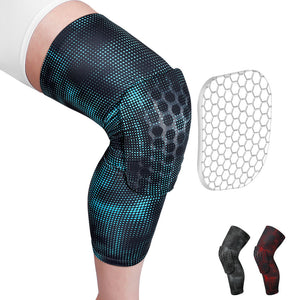
Knee Stabilizer
- Orange
- Blue
- Dark Blue
- Black
- Blue
- Green
- Red
- Black
- Blue
- Green
- Red
- Dark Blue
- Grey
- Black
- White
- Light Black
- Black
- Light Grey
- Grey
- Magenta
- Black
- Black
- Green
- Orange
- Pink
- Blue
- Pink
- Grey
- Black
- Black
- White
- Red
- Blue
How to Stabilize a Wobbly Knee?
Experiencing a wobbly knee can be an unsettling and frustrating issue, significantly impacting your daily routine. When a joint feels like it is buckling or giving way, it can severely restrict your mobility, confidence, and overall independence. Whether you are an active older adult looking to maintain your lifestyle or someone striving to improve lower-body mechanics, learning to enhance joint stability is crucial for long-term health and fall prevention.
Support Your Joint with the Right Gear
To actively enhance structural support and regain confidence in every step, many individuals turn to external aids. Choosing the right knee stabilizer is a highly effective way to protect the joint during movement. This specialized orthopedic accessory is meticulously designed to wrap around the leg, reducing the risk of further aggravation while promoting proper alignment and optimal daily function.
When selecting a support mechanism, evaluating the specific design and the level of reinforcement it provides is essential. Some options deliver rigid structural support, which is exceptionally beneficial for those actively recovering from a recent procedure or a severe tissue sprain. Conversely, other styles feature flexible, mild compression that gently hugs the joint. This gentle compression helps boost localized blood flow and ease daily discomfort, all while allowing a full, unrestricted range of motion. Consulting with a healthcare professional or physical therapist is always recommended to pinpoint exactly which level of support aligns perfectly with your specific lifestyle needs.
Essential Exercises for Strengthening Weak Knees
While external aids offer excellent immediate relief, building the intrinsic strength of the surrounding musculature is vital for long-term, lasting stability. A comprehensive routine that targets the quadriceps, hamstrings, and calf muscles acts as a natural shock absorber for your lower body.
By incorporating targeted strengthening exercises into your daily regimen, you can dramatically decrease the sensation of a wobbly joint. Here are a few simple yet highly effective movements to overcome knee instability:
Straight Leg Raises
This movement specifically targets the quadriceps (the front of the thigh) without putting undue strain on the connective tissues. Lie flat on your back, keep one leg bent, and slowly lift the straight leg to the height of the opposite thigh. This builds the crucial muscle mass needed to keep everything tracking correctly and prevents the knee from buckling.
Wall Sits
Wall sits are phenomenal for building muscular endurance. Stand with your back flat against a sturdy wall, then slide down into a seated position as if sitting in an invisible chair. Hold this posture to engage your quads, hamstrings, and glutes, which collectively share the load that would otherwise stress a weakened joint.
Calf Raises
Never underestimate the power of strong calves in overall lower-limb mechanics. By simply standing upright and pushing upward onto your toes, you strengthen the back of the lower leg. This provides better ankle support, which indirectly stabilizes the structures above it.
Improve Coordination with Balance Training
Muscle strength alone is only one piece of the puzzle; neuromuscular control is equally critical. Balance training helps your brain and muscles respond swiftly to sudden shifts in weight, making it a cornerstone therapy for stabilizing a wobbly knee.
Engaging in low-impact, mindful activities such as tai chi and yoga can do wonders for your coordination. These practices focus on controlled, deliberate movements that enhance core strength and bodily awareness, directly reducing the likelihood of sudden buckling. If you prefer keeping it simple, incorporating basic balance exercises at home works perfectly. Try standing on one leg for short intervals, resting your hand on a counter for safety. Over time, this forces the stabilizing muscles around your leg to activate and adapt, improving your overall equilibrium.
Lifestyle Adjustments for Optimal Joint Function
Beyond targeted exercises and protective wear, everyday habits play a monumental role in joint preservation. Maintaining a healthy body weight significantly reduces the mechanical stress on your lower extremities with each step. Furthermore, choosing supportive footwear with adequate cushioning helps absorb the impact of walking on hard surfaces, reducing the load on your joints. Managing joint health is a holistic process, and combining these small adjustments with strength training and proper joint support will yield significant, long-term mobility benefits.