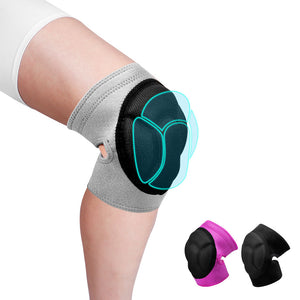
Knee Brace For Working Out
- Black
- Green
- Orange
- Pink
- Black
- Blue
- Green
- Red
- Orange
- Blue
- Dark Blue
- Black
- White
- Red
- Blue
- Black
- Blue
- Green
- Red
- Dark Blue
- Grey
- Black
- Blue
- Pink
- Grey
- Black
- White
- Light Black
- Black
- Light Grey
- Grey
- Magenta
- Black
How Do I Protect My Knees When Working Out?
Engaging in a consistent fitness routine is an excellent way to build strength, improve cardiovascular health, and boost overall well-being. However, joint discomfort can quickly derail your fitness goals. If you frequently find yourself wondering how to prevent joint pain during exercise, you are not alone. Protecting your lower body—especially the joints that bear the brunt of your body weight—is essential for long-term mobility and athletic performance.
Top Strategies to Safeguard Your Knees During Exercise
1. Prioritize a Dynamic Warm-Up and Stretching Routine
Before engaging in any workout routine, a proper warm-up is crucial. Never skip this foundational step, even if you are short on time. Spend at least 5 to 10 minutes performing dynamic stretches, such as leg swings, walking lunges, high knees, or bodyweight squats. This dedicated time increases blood flow to your muscles and encourages the release of synovial fluid, which naturally lubricates the joints. Properly prepared muscles are far less susceptible to sudden strains, minimizing impact-related stress during rigorous movements.
2. Master Proper Exercise Form and Biomechanics
Whether you are lifting heavy weights, performing lunges, or doing high-rep squats, meticulous attention to your form is non-negotiable. Always ensure that your knees track directly over your toes and do not extend excessively beyond them, as improper alignment places unnecessary shear force on the joint. Engaging your core and maintaining a neutral spine can provide additional stability, transferring the workload to your glutes and hamstrings rather than placing the burden solely on your vulnerable joints. If you are ever unsure about your form, consider working with a fitness professional to correct any biomechanical flaws.
3. Build Strength in Supporting Muscle Groups
One of the most effective ways to proactively defend your joints from impact is to build a robust muscular support system around them. Focus heavily on targeted exercises that strengthen the quadriceps, hamstrings, calves, and glutes. Strong leg muscles act as natural shock absorbers, significantly reducing the stress transferred directly to the bones, ligaments, and cartilage during high-impact activities like running, jumping, or heavy lifting.
4. Choose Appropriate Footwear for Your Activity
Your feet serve as the physical foundation for your entire body, and wearing the wrong shoes can throw off your alignment, leading directly to lower-body pain. Look for high-quality footwear with excellent arch support, ample cushioning, and a firm heel counter. If you are engaging in activities with frequent lateral movement, such as tennis, basketball, or agility training, opt for cross-training shoes that provide side-to-side stability and are designed specifically for those activities. Remember to routinely replace your athletic shoes once the tread and interior cushioning begin to wear down.
5. Utilize Supportive Gear and Accessories
Adding external support can be an absolute game-changer for your training sessions. Using a knee brace during workouts can provide additional support, especially if you have a history of injuries, joint instability, or chronic discomfort. These specialized sleeves and wraps help stabilize the joint, reduce pain through targeted compression, and offer reliable protection during various physically demanding activities. When selecting gear, look for options designed explicitly for exercise; they should be highly breathable, exceptionally comfortable, allow for a full range of motion, and not be too restrictive so you can train with confidence.
6. Listen to Your Body and Incorporate Rest
Pushing your physical limits is a natural part of fitness progression, but you must pay close attention to what your body is telling you. Understanding the difference between normal muscle fatigue and sharp, acute joint pain is vital. If you experience aching, clicking, or localized discomfort, it is essential to stop and assess the situation immediately. Ignoring these warning signs can lead to more severe, long-lasting injuries over time. Modifying your workout, switching to low-impact alternatives like cycling or swimming, and incorporating adequate rest days are highly recommended for optimal recovery.