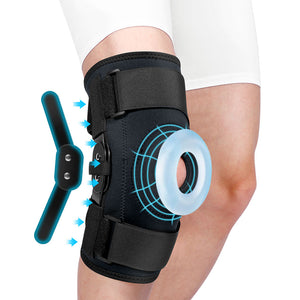
Knee Brace for MCL Injury
- Black
- Green
- Orange
- Pink
- Black
- Blue
- Green
- Red
- Orange
- Blue
- Dark Blue
- Black
- White
- Red
- Blue
- Black
- Blue
- Red
- Orange
- Yellow
- Black
- Blue
- Green
- Red
- Blue
- Black
- White
- Red
- Dark Blue
- Grey
- Black
- Blue
- Pink
- Grey
- Black
- White
- Light Black
- Black
- Light Grey
- Grey
- Magenta
- Black
- Green
- Black
- Grey
- Red
- Blue
Does a Knee Brace Help with an MCL Injury?
If you are an active individual, an athlete, or simply someone who enjoys a daily jog, dealing with inner knee pain can be incredibly frustrating. One of the most common issues affecting the knee joint is a sprain or tear of the medial collateral ligament. When faced with this sudden setback, a common question arises: Does a knee brace help with an MCL injury? The short answer is yes, but understanding exactly how it supports your joint and promotes healing is essential for a safe, effective, and rapid recovery.
Understanding Medial Collateral Ligament Injuries
Before exploring the best recovery tools, it is important to understand the mechanics of the injury. The medial collateral ligament is a crucial, strong band of tissue located on the inner side of your knee. It connects your thigh bone (femur) to your shin bone (tibia) and is primarily responsible for stabilizing the knee against valgus stress—which essentially means it prevents the joint from excessively bending inward.
Injuries to this area typically occur during activities that involve sudden stops, sharp changes in direction, awkward landings, or a direct impact to the outside of the leg. This unexpected force causes the inner tissue to stretch too far or tear completely. Common symptoms often include localized swelling, stiffness, a popping sensation at the exact moment of impact, and significant discomfort when attempting to place weight on the affected leg.
Choosing the Right Type of Knee Support
Knee braces come in various styles and configurations, and selecting the correct one is vital for managing joint instability and preventing further trauma.
While simple compression sleeves and open patella designs offer excellent warmth, compression, and mild support for general daily aches, they may not provide the rigid structural reinforcement necessary for torn ligaments. For moderate-to-severe ligament damage, hinged braces are strongly favored and frequently recommended by rehabilitation specialists.
These specialized supports feature integrated, adjustable side hinges that smoothly mimic the leg's natural bending and straightening. By drastically limiting detrimental lateral (side-to-side) motion, a hinged design ensures that the healing tissues are not repeatedly stretched or strained during daily movements. This protective barrier is a key component in stopping further joint damage while still allowing a safe, controlled range of motion. If you are navigating the early stages of recovery, using a highly supportive knee brace for an MCL injury is an excellent way to safeguard your mobility.
The Core Benefits of Bracing Your Knee
Wearing the appropriate joint support offers several distinct advantages that directly impact both physical healing and mental well-being throughout your rehabilitation journey.
1. Significant Pain Relief and Strain Reduction
One of the primary benefits of wearing a structural knee support is immediate and noticeable pain relief. By absorbing shock and redistributing the physical load away from the damaged medial collateral ligament, the brace reduces the daily strain placed on your leg. This stabilization reduces discomfort whether you are walking up stairs, standing for long periods, or performing light, controlled rehabilitation exercises.
2. Enhanced Joint Stability
An injured inner ligament often leaves the leg feeling "wobbly" or prone to giving out unexpectedly. A rigid or semi-rigid hinged support mechanically locks the joint into proper alignment. This artificial stability temporarily replaces the compromised ligament's function, providing a safe environment while the body repairs the torn fibers naturally over time.
3. Psychological Confidence
The mental hurdle of returning to physical activity after a traumatic joint sprain can be massive, and the psychological benefits of feeling physically supported should never be overlooked. Many athletes and fitness enthusiasts report feeling significantly more secure and confident when they have that protective layer around their knee. This mental assurance often reduces the fear of re-injury, allowing individuals to return to their favorite sports, gym routines, and daily physical activities much sooner than they would without support.
Combining Support with a Comprehensive Treatment Plan
While structural supports are incredibly beneficial, they are just one piece of the rehabilitation puzzle. For optimal, long-lasting results, bracing should always be combined with a comprehensive treatment protocol.
Resting the leg, applying ice to reduce acute inflammation, and keeping the joint elevated are critical first steps in the days immediately following the injury. However, as the initial swelling subsides, physical therapy becomes paramount. Targeted rehabilitation exercises designed to strengthen the quadriceps, hamstrings, and calf muscles will ultimately provide natural biological support to the knee joint, reducing your long-term reliance on external braces.
Wearing your supportive gear during these physical therapy sessions can help you push through mobility and strengthening exercises safely. It acts as a reliable safety net, ensuring you do not accidentally overextend or twist the healing joint during workouts.
Moving Forward with a Safe Recovery
Managing inner knee pain and ligament damage requires patience, consistent care, and the right approach to joint stabilization. A well-fitted, properly adjusted knee support is an incredibly helpful tool in the overall management of pain and the functional stabilization of the leg.
When used correctly—and in conjunction with dedicated physical therapy and a structured treatment plan—it facilitates a much smoother recovery journey. As with any musculoskeletal setback, always remember to listen to your body. Avoid rushing the healing timeline and follow professional advice tailored to your specific situation to achieve the very best long-term outcomes. By taking these proactive steps, you can confidently get back on your feet and safely return to the active lifestyle you love.