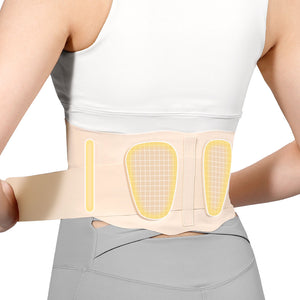
Lightweight Knee Brace
- Orange
- Blue
- Dark Blue
- Black
- Blue
- Green
- Red
- Black
- Blue
- Green
- Red
- Dark Blue
- Grey
- Black
- White
- Light Black
- Black
- Light Grey
- Grey
- Magenta
- Black
- Black
- Green
- Orange
- Pink
- Blue
- Pink
- Grey
- Black
- Blue
- Black
- White
- Red
- Green
- Black
- Grey
- Red
- Blue
- Black
- White
- Red
- Blue
- Black
- Blue
- Red
- Orange
- Yellow
How Do I Keep Weight Off My Knees?
Maintaining joint health is one of the most critical aspects of preserving an active, pain-free lifestyle, especially as we age. Excess body weight and poor movement mechanics can place undue stress on your lower body, leading to chronic discomfort, cartilage wear, and potential injury. If you find yourself asking how to reduce joint pressure and stop knee pain when walking, you are not alone.
Taking the load off your lower body is essential for joint preservation and preventing long-term structural damage. Here are some of the most effective, actionable strategies to keep weight off your knees, alleviate inflammation, and ensure their long-term health.
The Direct Connection Between Body Weight and Knee Strain
Every time you take a step, your knees bear a force equivalent to roughly one and a half times your total body weight. When you walk up stairs, jog, or squat, this physical pressure multiplies significantly. Therefore, learning how to properly support your joints and minimize this heavy load is essential for managing daily discomfort and avoiding future joint degradation.
5 Effective Strategies to Relieve Knee Strain
1. Maintain a Healthy Overall Weight
The most direct and reliable way to reduce knee strain is to manage your overall body weight. Every single pound you lose removes multiple pounds of pressure from your lower joints. Shedding unwanted weight dramatically decreases the mechanical load on your cartilage and ligaments.
Transitioning to a balanced diet rich in fresh vegetables, fruits, lean proteins, and whole grains can help you achieve your weight loss goals naturally. Pairing a nutritious diet with a consistent routine of healthy movement will directly translate to thousands of pounds of reduced pressure on your joints throughout the day.
2. Engage in Low-Impact Exercises Wisely
While physical activity is essential for joint lubrication and muscle building, it is crucial to choose low-impact workouts that do not exacerbate existing knee pain. High-impact sports can accelerate joint wear, so it is best to pivot toward joint-friendly alternatives.
Swimming, using an elliptical machine, and cycling are phenomenal options that provide robust cardiovascular benefits without putting undue stress on your knees. Additionally, targeted strength training focused on your quadriceps, hamstrings, and calves will create a natural muscular "shock absorber" system to support and stabilize your knees during movement.
3. Utilize Supportive Gear for Daily Activity
If you are struggling with instability, joint fatigue, or recovering from a mild tweak, utilizing external joint support can make a world of difference. Wearing a lightweight knee brace can be an excellent tool for everyday use and active recovery. These garments are specifically designed to provide targeted compression and support without adding significant bulk or restricting your movement.
They help alleviate localized pressure by distributing the load more evenly across the leg while allowing a full, natural range of motion. By seamlessly incorporating lightweight knee braces into your daily routine, you can participate in your favorite physical activities—like walking, hiking, or gardening—with added confidence and a significantly reduced risk of injury.
4. Boost Stability with Flexibility and Balance Workouts
Stiff, inflexible muscles pull tightly on joint structures, increasing friction and discomfort in the kneecap. Incorporating flexibility and balance exercises into your weekly schedule can significantly enhance joint stability and provide natural pain relief.
Practices like yoga, Pilates, and dynamic stretching routines promote tendon elasticity and strengthen the supporting ligaments around the knees. Improving your overall balance also prevents awkward, jarring movements that often lead to sudden injury, further alleviating unnecessary pressure on your lower extremities.
5. Invest in Proper Footwear and Arch Support
Your feet are the foundation of your body's entire alignment. Wearing unsupportive shoes—such as high heels, completely flat sandals, or worn-out sneakers—disrupts your natural gait and forces your knees to absorb excessive shock from the ground.
To take the weight off your knees, opt for well-cushioned footwear that offers excellent arch support and shock absorption. Proper shoes help align your kinetic chain, distribute your body weight evenly, and prevent your knees from collapsing inward or bowing outward with each step.
Additional Lifestyle Adjustments to Protect Your Joints
Beyond diet and exercise, making small daily adjustments can yield massive benefits for your joint health:
- Elevate Your Legs: When sitting for extended periods, prop your legs up to reduce fluid buildup and lower joint pressure.
- Practice Proper Lifting Mechanics: When picking up heavy objects, hinge at your hips and use your glutes rather than squatting deeply through your knees, especially if you are currently experiencing a flare-up.
- Use Walking Aids: Consider using walking poles during hikes or long walks to distribute your upper-body weight away from your lower limbs.