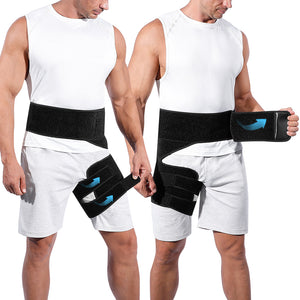
Knee Sleeve For Arthritis
- Black
- Green
- Orange
- Pink
- Black
- Blue
- Green
- Red
- Orange
- Blue
- Dark Blue
- Black
- White
- Red
- Blue
- Black
- Blue
- Green
- Red
- Dark Blue
- Grey
- Black
- Blue
- Pink
- Grey
- Black
- White
- Light Black
- Black
- Light Grey
- Grey
- Magenta
- Black
Is Walking Good for Arthritic Knee Pain?
If you are dealing with joint stiffness and chronic aching, you might assume that resting is the best way to find relief. However, when it comes to managing joint health, prolonged inactivity can actually do more harm than good. A common question among those seeking natural relief is whether physical activity, specifically walking, will aggravate or improve their condition. The short answer is yes—walking is highly beneficial and an excellent way to maintain your mobility.
Walking is an accessible, low-impact exercise that can dramatically improve joint flexibility and strengthen the vital muscle groups surrounding your knees. By understanding how to move safely and adequately support your joints, you can maintain an active lifestyle without unnecessary discomfort.
The Biomechanics of Walking and Joint Health
When you walk, you actively engage key leg muscles, most notably the quadriceps at the front of your thigh and the hamstrings at the back. These muscles act as your body's natural shock-absorption system. As you build strength in these areas through regular, steady-paced walking, you enhance your overall knee stability. Improved muscle tone means that your muscles take on a larger share of your body weight, effectively reducing the mechanical stress placed directly on the joint cartilage.
Boosting Circulation and Reducing Inflammation
Beyond muscle strengthening, walking offers significant internal benefits. Rhythmic, low-impact cardiovascular exercises promote healthy blood circulation throughout the body. Increased blood flow helps flush out inflammatory compounds that cause swelling and aching. Furthermore, movement stimulates the production of synovial fluid, which acts as the body’s natural joint lubricant. This fluid helps deliver essential nutrients to the joint space, easing friction and potentially reducing chronic pain over time.
Essential Steps for Walking Safely with Joint Discomfort
While walking is highly recommended for joint preservation, it is essential to approach your fitness routine with caution and mindfulness to avoid sudden flare-ups.
Choose the Right Footwear
The foundation of a good walk starts from the ground up. Wearing supportive shoes with excellent cushioning is crucial for minimizing ground-reaction forces. Proper arch support and shock-absorbing soles will significantly decrease the impact traveling up your legs, shielding your knees from sudden jolts on hard surfaces like concrete or asphalt.
Always Warm Up
Before hitting the pavement or the treadmill, a gentle warm-up is mandatory. Engaging in light, dynamic stretches or slow-paced leg movements prepares your joints and soft tissues for physical exertion. This proactive step increases flexibility, loosens stiff tendons, and significantly reduces the risk of triggering further discomfort during your workout.
Utilizing Support for Enhanced Stability
Many individuals striving to stay active find that external support can make a world of difference in their daily routines. Wearing a dedicated knee sleeve for arthritis can vastly enhance your walking experience by providing targeted, soothing compression.
This therapeutic compression serves multiple purposes. First, it actively helps reduce localized swelling by encouraging proper fluid drainage. Second, it provides a comforting layer of structural support during movement. For anyone who experiences a sensation of weakness or instability while walking, the gentle hug of a compression garment encourages proper anatomical alignment. It manages daily discomfort effectively, making it much easier to commit to your daily step goals and maintain long-term independence.
How to Build a Sustainable Walking Routine
Developing a consistent walking habit requires patience and an understanding of your body's unique limits. Overexertion is a common pitfall that can lead to unnecessary setbacks.
Start Small and Listen to Your Body
If you are new to regular walking, begin with short distances or brief time intervals—such as ten to fifteen minutes a day. Pay close attention to how your body responds both during and after the walk. Minor muscle fatigue is normal, but sharp joint pain is a signal to slow down. As your cardiovascular endurance builds and your joints adapt, you can gradually increase your walking duration and distance.
Prioritize Rest and Recovery
An effective fitness routine is always balanced by adequate recovery. Incorporating designated rest days into your weekly schedule allows your joints, cartilage, and muscles the necessary time to repair and rebuild. On rest days, you might focus on gentle stretching or simply elevating your legs to help manage any lingering inflammation.
Embracing a daily walking routine can be a transformative step toward better joint health. By pairing mindful movement with proper preparation and supportive wear, you can take control of your mobility and enjoy a healthier, more active life.