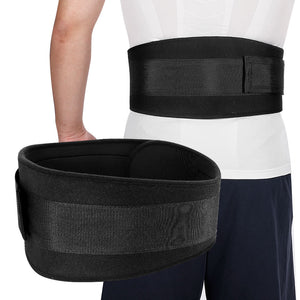
Dual Knee Brace
- Black
- Green
- Orange
- Pink
- Black
- Blue
- Green
- Red
- Orange
- Blue
- Dark Blue
- Black
- White
- Red
- Blue
- Black
- Blue
- Red
- Orange
- Yellow
- Black
- Blue
- Green
- Red
- Blue
- Black
- White
- Red
- Dark Blue
- Grey
- Black
- Blue
- Pink
- Grey
- Black
- White
- Light Black
- Black
- Light Grey
- Grey
- Magenta
- Black
- Green
- Black
- Grey
- Red
- Blue
Do I Need a Dual Side Stabilizer Knee Brace?
The knees are the powerhouse joints of the human body, essential for everyday mobility, running, jumping, and executing quick, explosive movements. Because they bear the brunt of our body weight and absorb massive amounts of shock, they are highly susceptible to acute injuries and chronic wear and tear. If you are an active individual, a weekend warrior, or someone recovering from joint discomfort, you might find yourself asking: Do I need a dual-sided stabilizer knee brace to stay active and protected?
What Is a Dual-Side Stabilizer Knee Brace?
A dual-sided stabilizer knee brace is specifically engineered to deliver targeted support and lateral stability to the knee joint. As the name suggests, it features two flexible or rigid stabilizers—positioned on both the inner (medial) and outer (lateral) sides of the knee. This bilateral design ensures enhanced protection and encourages proper anatomical alignment during movement.
Whether you are dealing with minor ligament tears, frustrating sprains, meniscus discomfort, or general knee instability, this type of athletic support targets the joint's vulnerable areas. It is particularly beneficial for active adults and athletes looking to speed up recovery or proactively shield their joints from future trauma.
Key Benefits and Core Functions
The primary function of this supportive gear is to limit excessive or unnatural movement of the knee joint. By providing structured lateral and medial support, the stabilizers actively help maintain proper knee tracking and alignment.
Protection During High-Impact Sports
When participating in high-impact activities like basketball, tennis, soccer, or trail running, the knees are subjected to immense stress. Players constantly pivot, land forcefully from jumps, and engage in rapid directional changes. In these dynamic athletic scenarios, the brace acts as a shock absorber and a structural guide, helping to prevent catastrophic sports injuries caused by awkward twists, improper knee alignment, and dangerous overextension.
Alleviating Daily Joint Pressure
You do not have to be a professional athlete to reap the benefits. Every day, fitness enthusiasts who experience general knee pain, stiffness, or discomfort from regular gym training, weightlifting, or neighborhood jogging can also find immense relief. Comprehensive stability helps distribute pressure more evenly across the joint, potentially reducing pain, swelling, and inflammation during and after physical activity.
Signs You Might Need Extra Knee Support
Deciding whether to incorporate a dual knee brace into your fitness or recovery routine depends on several key lifestyle and physical factors. Consider the following scenarios:
- History of Joint Injuries: If you have a documented history of knee trauma, such as anterior cruciate ligament (ACL) issues, medial collateral ligament (MCL) sprains, or cartilage damage, wearing a reinforced brace is an excellent, proactive way to supply additional structural support during gameplay or workouts.
- Mental Confidence in Your Movement: Recovering from a joint injury often leaves a psychological barrier. The added layer of physical protection can instill much-needed confidence, allowing you to perform at your absolute best and push your limits without the lingering fear of a re-injury.
- Chronic Instability: If your knee frequently feels like it might "give out," buckle, or shift when going down stairs or walking on uneven terrain, bilateral stabilizers can offer the firm embrace your joint needs to function smoothly.
Balancing Support with Strength Training
While the advantages of wearing a supportive knee brace are undeniable, it is absolutely crucial to remember that it should never act as a permanent substitute for proper physical rehabilitation and strength training.
Relying solely on external joint support for everyday activities over a prolonged period may eventually lead to muscle atrophy around the patella and surrounding tissues. If your leg muscles do not have to work as hard to stabilize the joint, they can weaken, leaving the knee even more vulnerable in the long run.
To achieve comprehensive, long-lasting joint health, it is essential to incorporate a dedicated stretching and strengthening routine. Exercises targeting the quadriceps, hamstrings, calves, and glutes act as your body's natural shock absorbers and internal stabilizers. Think of your knee brace as a temporary shield and a vital training aid, while your leg muscles serve as the long-term foundation of your joint health.
Final Thoughts on Knee Stabilization
Taking proactive care of your knees is an investment in your long-term mobility and athletic longevity. Whether you are aiming to dominate on the basketball court, shave minutes off your 5K running time, or simply enjoy a pain-free hike in the great outdoors, adding the right lateral stabilization can make a world of difference. Evaluate your personal injury history, current activity levels, and overall fitness goals to determine if adding dual-side stabilization is the right step forward for your joint health.