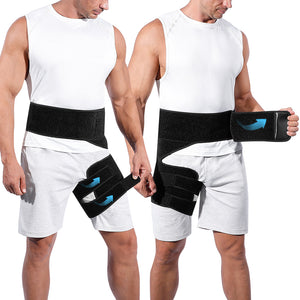
Knee Brace for Torn Meniscus
- Black
- Green
- Orange
- Pink
- Black
- Blue
- Green
- Red
- Orange
- Blue
- Dark Blue
- Black
- White
- Red
- Blue
- Black
- Blue
- Green
- Red
- Dark Blue
- Grey
- Black
- Blue
- Pink
- Grey
- Black
- White
- Light Black
- Black
- Light Grey
- Grey
- Magenta
- Black
Is Compression Good for Meniscus Tears?
Dealing with a knee injury can bring your active lifestyle to an abrupt halt. When exploring conservative treatment options for joint pain and cartilage damage, many people wonder about the effectiveness of different therapeutic methods. A common question that arises during the recovery journey is whether compression therapy is beneficial. The answer is a resounding yes. Applying targeted, consistent pressure is widely recommended for various joint and muscle injuries because it offers several critical benefits that promote faster, more comfortable healing.
How Compression Reduces Knee Swelling and Inflammation
Following a meniscal injury, the body's natural response triggers immediate inflammation and localized swelling. When excess fluid accumulates in the knee joint—a condition known as joint effusion—it causes intense stiffness, limits your range of motion, and drastically increases daily discomfort. Implementing compression therapy acts as an external physical barrier to this fluid buildup. By keeping swelling under strict control, you create a significantly more favorable environment for the damaged tissues to begin their natural repair process.
Boosting Blood Circulation for Cartilage Repair
One of the most powerful advantages of therapeutic compression is its ability to enhance local blood circulation. The cartilage in the knee naturally lacks a robust blood supply, which is why healing can often feel frustratingly slow. Consistent, gentle pressure stimulates blood flow to the affected area. This improved circulation delivers vital oxygen and essential nutrients directly to the compromised tissues. Furthermore, it accelerates the removal of metabolic waste and cellular debris—a function that is absolutely crucial for flushing out prolonged inflammation and supporting deep tissue healing.
Stabilizing the Joint with the Right Support
While traditional elastic wraps are a common starting point, utilizing a dedicated, structured support system is the optimal way to achieve reliable compression. Wearing a perfectly fitted knee brace for torn meniscus is an incredibly effective way to achieve consistent, all-day compression. These specialized garments are intricately designed to conform to the anatomy of your leg, offering adjustable support at varying levels.
A well-fitting support system actively stabilizes the complex mechanics of the knee joint while allowing a safe, functional degree of mobility. This crucial balance of immobilization and movement makes it much easier for individuals to confidently carry out their daily activities, such as walking or climbing stairs, without the constant fear of the knee buckling or shifting out of place.
Alleviating Knee Pain and Aiding Rehabilitation
Beyond managing inflammation and stabilizing the joint, structural compression actively alleviates sharp pains and chronic aches. By properly aligning the knee and reducing the mechanical strain placed on the injured meniscus, the surrounding ligaments and muscles do not have to overwork to compensate for joint instability. This vital reduction in daily strain facilitates a much more comfortable and manageable healing process.
Additionally, as fluid retention decreases and your overall joint mobility improves, transitioning into physical therapy becomes highly effective. Rehabilitation exercises and targeted stretches can be easily and safely integrated into your recovery plan. The warmth and proprioceptive feedback provided by the compression garment help keep the joint limber, ensuring your muscles are primed for strengthening exercises and further supporting your long-term return to full health.
Essential Tips for Selecting Your Compression Garment
To maximize your recovery, you must pay close attention when you select your knee support. Sizing and ergonomic fit are absolute priorities. An ill-fitting garment may not only fail to provide the necessary therapeutic support but also slide down your leg, bunch up uncomfortably behind the knee, or even cause additional injury by altering your walking gait. Always take precise measurements of your leg and seek out anatomically contoured designs. Proper sizing ensures you receive the maximum benefits of compression therapy without compromising your comfort or hindering your path to recovery.