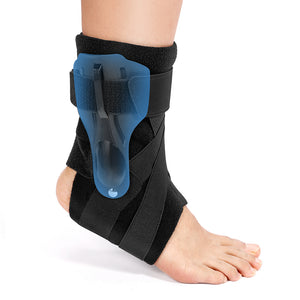
Compression Bandage for Knee
- Black
- Green
- Orange
- Pink
- Black
- Blue
- Green
- Red
- Orange
- Blue
- Dark Blue
- Black
- White
- Red
- Blue
- Black
- Blue
- Red
- Orange
- Yellow
- Black
- Blue
- Green
- Red
- Blue
- Black
- White
- Red
- Dark Blue
- Grey
- Black
- Blue
- Pink
- Grey
- Black
- White
- Light Black
- Black
- Light Grey
- Grey
- Magenta
- Black
- Green
- Black
- Grey
- Red
- Blue
Are Compression Bandages Good for Knees?
Whether you are an active runner, a weekend warrior, or someone dealing with everyday joint discomfort, finding reliable relief from knee pain is a top priority. The knee is one of the most complex and heavily used joints in the human body, making it highly susceptible to sprains, strains, and general wear and tear. If you are looking for an effective, non-invasive way to manage pain and improve mobility, you might wonder about the best methods for joint support. Many fitness enthusiasts and individuals recovering from injuries find that Compression bandages for knee provide a practical, highly effective solution.
These elastic wraps are specifically engineered to apply firm, consistent pressure to the affected joint, offering a wide array of physical benefits that promote faster recovery and enhanced daily comfort.
The Core Benefits of Knee Compression Therapy
Applying targeted pressure to an injured or aching joint is a time-tested approach in physical recovery. Here is a closer look at exactly why elastic compression wraps are so beneficial for knee health.
Effective Swelling and Inflammation Reduction
One of the most immediate advantages of using compression therapy is its remarkable ability to reduce knee swelling. When you experience an acute injury—such as a sudden ligament sprain, a muscle strain, or even a minor tweak—the body’s natural response is inflammation. This inflammatory response leads to fluid accumulation in the surrounding tissues, resulting in stiffness, throbbing pain, and a severely limited range of motion.
By applying a snug wrap, you help minimize this swelling. The gentle, continuous pressure promotes better blood circulation and encourages the lymphatic system to drain excess fluid away from the joint. This mechanism is especially crucial during the first 48 hours after an acute injury, helping to control swelling so the healing process can begin efficiently.
Enhanced Joint Stability and Structural Support
A weak or injured joint often feels wobbly, which can lead to a fear of movement. Using Compression bandages for the knee delivers much-needed structural support and joint stability. This is particularly beneficial for individuals who are actively recovering from orthopedic surgery or those who suffer from chronic knee instability due to previous injuries.
By securing the knee joint in a steady, proper alignment, these supportive wraps help prevent excessive lateral movements or hyperextension. This minimizes the risk of re-injuring the delicate ligaments and tendons. Furthermore, the physical presence of the wrap provides an incredible psychological boost, enhancing a person's confidence when walking, lifting, or engaging in physical activities.
Natural Pain Relief and Improved Proprioception
Beyond structural support, compression therapy offers significant natural pain relief. The firm pressure provided by the wrap stimulates sensory receptors in the skin and underlying tissues—a concept known as proprioception. This heightened physical awareness sends continuous feedback signals to the brain, which can actually override and reduce the overall perception of pain.
Additionally, by restricting micro-movements that might otherwise agitate an injured tendon or ligament, compression wraps alleviate sharp discomfort during everyday activities. This makes them a highly suitable and versatile option for both high-performance athletes and everyday individuals looking to navigate their day with less pain.
How to Properly Wrap a Knee for Maximum Benefit
To reap all the benefits of compression, proper application is absolutely essential. An incorrectly applied wrap can do more harm than good.
When securing the joint, the wrap should be applied snugly to provide adequate support, but it should never be so tight that it restricts healthy blood flow. A good rule of thumb is that you should be able to slide one finger comfortably beneath the fabric.
Signs of improper application include:
- Increased throbbing or a feeling of intense pressure.
- Numbness or tingling in the lower leg, foot, or toes.
- The skin turning pale, blue, or feeling unnaturally cold to the touch.
If you experience any of these symptoms, immediately remove the wrap and reapply it with looser tension. If you have pre-existing circulatory conditions, diabetes, or a severe joint injury, it is always highly advisable to consult with a healthcare professional to ensure this therapy is safe for your specific needs.
Integrating Compression into a Complete Recovery Plan
While elastic wraps are a highly valuable tool in managing joint pain and controlling swelling, they are not a standalone cure or a substitute for professional healthcare. For optimal healing, compression should be integrated into a comprehensive rehabilitation routine.
This often includes the well-known R.I.C.E. method (Rest, Ice, Compression, and Elevation). Giving your joint adequate time to rest, applying ice packs to numb sharp pain and constrict blood vessels, and elevating the leg above the heart will work synergistically with your wrap to speed recovery. Incorporating targeted physical therapy stretches and strengthening exercises will also help rebuild the muscles surrounding the joint, offering better natural support over time.
In cases of severe trauma, inability to bear weight, or persistent pain that does not improve with conservative home care, seeking a thorough evaluation from a medical professional is crucial. A proper diagnosis will ensure you receive the right treatment plan to get you back on your feet quickly and safely.