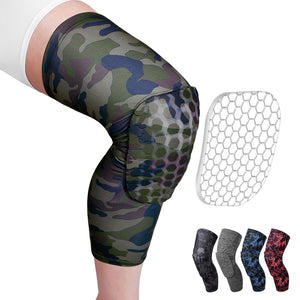
XL Knee Brace
- Black
- Green
- Orange
- Pink
- Black
- Blue
- Green
- Red
- Orange
- Blue
- Dark Blue
- Black
- White
- Red
- Blue
- Black
- Blue
- Red
- Orange
- Yellow
- Black
- Blue
- Green
- Red
- Blue
- Black
- White
- Red
- Dark Blue
- Grey
- Black
- Blue
- Pink
- Grey
- Black
- White
- Light Black
- Black
- Light Grey
- Grey
- Magenta
- Black
- Green
- Black
- Grey
- Red
- Blue
How do I know my knee pad size?
Whether you are carving down snowy slopes as an avid skier, hitting the basketball court, or working a demanding physical job, protecting your joints is non-negotiable. Choosing the right fit for knee pads or sleeves is the crucial first step for both comfort and injury prevention. An ill-fitting support system can slip down your leg, restrict blood circulation, or fail to deliver the intended shock absorption and stabilization.
Why Proper Sizing is Crucial for Joint Protection
Wearing protective gear that is too tight can cause painful chafing and hinder your dynamic range of motion. Conversely, a support that is too loose will slide down your leg during high-impact sports, offering zero benefit when you need it most. When you find the perfect fit, you gain targeted compression, which helps keep muscles warm, reduces joint fatigue, and properly stabilizes the patella during intense movements.
Step-by-Step Guide to Measuring Your Knee
Step 1: Gather Your Measuring Tools
To get an accurate baseline measurement, you will need a flexible measuring tape, such as a tailor’s tape. If you do not have one handy, a piece of flexible string and a standard tape measure or ruler will work perfectly.
Step 2: Find the Right Measuring Points
While standing up straight with your feet slightly apart and your leg bearing weight (or bent at a slight 30-degree angle, depending on the specific product instructions), locate the exact center of your kneecap.
Most sizing guidelines require you to measure the circumference directly over the widest part of the joint. However, for maximum accuracy—especially if you have athletic thighs or muscular calves—it is highly recommended to measure three specific points:
- The exact center of the kneecap.
- Four to six inches above the kneecap (lower thigh).
- Four to six inches below the kneecap (upper calf).
Write these numbers in both inches and centimeters, as sizing standards often use both units.
Consulting the Sizing Guidelines
Once you have your exact dimensions, it is time to match them to a knee brace size chart. Because dimensions can vary drastically depending on the specific design, materials, and overall style, never assume you are the exact same size across different models.
For instance, sizes can range from small to multiple extra-large categories. If your measurements indicate a larger circumference, particularly in the thigh or calf area, you will want to consider a plus-size knee brace. These specific designs are engineered to accommodate larger circumferences comfortably, ensuring you receive the necessary compression without the edges digging into your skin or cutting off circulation.
Considering Your Specific Activity and Support Level
Your preferred physical activities play a massive role in what size and style you should ultimately purchase.
High-Impact Sports and Winter Athletics
When skiing, snowboarding, or engaging in intense outdoor athletics, you require high shock absorption without sacrificing your flexibility. If your leg measurements fall on the higher end of the spectrum, squeezing into a standard size will only cause discomfort and limit your mobility on the slopes. Opting for an extra-large knee brace can provide the heavy-duty stabilization required for intense downhill runs while ensuring adequate blood flow to your lower extremities.
Daily Wear and Weight Training
For daily stabilization, long hiking trips, or heavy lifting, athletes often seek a snug, compressive fit. If you find your measurements are exactly on the border between two different sizes, consider your ultimate goal: size down for tighter, more restrictive compression, or size up for a more relaxed, highly breathable fit intended for all-day wear. For those who require robust joint stability, XL knee braces often feature reinforced adjustable straps and wider profiles to prevent the fabric from rolling down or bunching up uncomfortably behind the joint.
The Fit Test: Trying It On
Whenever possible, test out the gear before committing to it. Slide the pad up your leg and perform a few deep squats, lunges, or walking strides. Pay close attention to the following indicators of a proper fit:
- The Two-Finger Rule: You should be able to slide two fingers snugly under the fabric's top and bottom edges. If you cannot fit your fingers underneath, the fit is far too tight.
- No Pinching: The material should not bunch up painfully behind the joint when your leg is fully bent.
- Slip Resistance: As you move, jump, or run, the pad should stay firmly in place without requiring constant manual adjusting.
Adjusting for Personal Comfort and Features
Since everyone's body shape is entirely unique, personal preference remains a significant deciding factor in final sizing. Beyond the physical tape measurements, consider the construction materials. Look for lightweight, moisture-wicking fabrics if you tend to sweat heavily during physical exertion. Some active individuals prefer adjustable wrap-around designs over traditional pull-on sleeves, as wraps allow them to fully customize compression levels throughout the day as their activity intensity fluctuates.