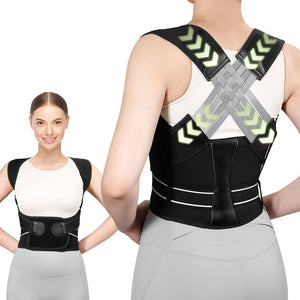
Big and Tall Knee Brace
- Black
- Green
- Orange
- Pink
- Black
- Blue
- Green
- Red
- Orange
- Blue
- Dark Blue
- Black
- White
- Red
- Blue
- Black
- Blue
- Red
- Orange
- Yellow
- Black
- Blue
- Green
- Red
- Blue
- Black
- White
- Red
- Dark Blue
- Grey
- Black
- Blue
- Pink
- Grey
- Black
- White
- Light Black
- Black
- Light Grey
- Grey
- Magenta
- Black
- Green
- Black
- Grey
- Red
- Blue
Finding the Right Fit: How Tight Should a Knee Brace Be?
Dealing with knee pain, joint instability, or recovering from a recent injury means finding the perfect level of physical support. Choosing the correct tension is crucial when wearing any joint support sleeve, but it's especially important for individuals using a Big and Tall Knee Brace. A garment that is too tight can severely restrict healthy blood circulation and cause intense discomfort, while one that is too loose will inevitably slip down your leg and fail to provide adequate joint stability required for healing and daily mobility.
The "Goldilocks" Zone: Secure, Not Restrictive
When evaluating the fit of your Big and Tall Knee Braces, the primary goal is to achieve a sensation that is snug, warm, and highly supportive, but never overly tight or binding. A highly recommended method to test this is the "two-finger rule." You should be able to comfortably slide two fingers between your bare skin and the top edge of the material. If you cannot fit your fingers in, or if the fabric pinches your thigh too tightly, the tension is simply too high.
Whether you are managing chronic osteoarthritis symptoms, recovering from a meniscal tear, or simply dealing with general joint fatigue, your Big and Tall Knee Brace should feel like a natural extension of your body, offering essential structural stability without compromising your overall comfort.
Warning Signs of an Improper Fit
Signs Your Support is Too Tight
Watch carefully for sudden signs of excessive swelling, persistent redness, or throbbing pain after wearing your compression sleeve for an extended period. If your Big Knee Brace leaves deep, painful red indentations on your skin, or if you begin to experience numbness, tingling, or a cold sensation in your lower leg and foot, it is drastically restricting blood flow. These are common, tell-tale indicators that the compression level is too high and requires immediate readjustment.
Signs Your Support is Too Loose
Conversely, if you find yourself constantly bending over to pull the fabric up throughout the day, the fit is completely ineffective. A properly fitted Tall Knee Brace should stay firmly anchored in place, providing consistent patella tracking and lateral joint support without slipping down your calf or bunching up uncomfortably behind the back of the knee during movement.
Why an Adjustable Fit Matters for Plus-Size Support
Finding the perfect fit often comes down to the garment's specific design. The most effective Big and Tall Knee Braces on the market today feature high-quality adjustable straps, robust hook-and-loop closures, and flexible, breathable stretch zones tailored for larger thighs and calves. These customizable design features allow you to fine-tune the exact compression level to your specific comfort threshold, ensuring the brace stays securely in place during a wide range of physical activities.
Test Your Support During Daily Activity
Do not simply strap the brace on while sitting on the couch and assume the fit is perfect. To truly gauge the correct sizing, you need to test it in motion. Try walking around the house, climbing a flight of stairs, bending down, and sitting back up. If the fit is correct, your Big and Tall Knee Brace will remain securely in its designated position without pinching the back of your leg or sliding down your shin. The right support tool should actively enhance your daily biomechanics and confidently boost your movement, not hinder it.
Listen to Your Body and Adjust Accordingly
Ultimately, your personal comfort and the functional relief of your knee pain should guide your fitting process. Everyone’s anatomy, muscle distribution, and leg shape are completely different. Take the time to adjust the straps, test the tension, and ensure the material properly supports your knee joint without causing skin irritation, chafing, or excessive downward pressure on the kneecap.
If you remain unsure about the fit, or if you continue to experience persistent discomfort and joint pain despite making adjustments, consult a healthcare professional, physical therapist, or orthopedic specialist. They can provide personalized guidance to ensure your brace is appropriately sized, perfectly tensioned, and worn correctly to accelerate your recovery and effortlessly improve your daily quality of life.