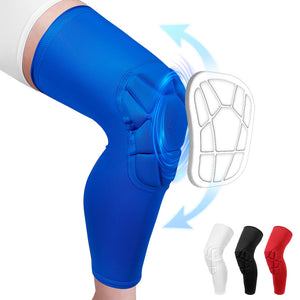
Best Knee Support Sleeve
- Black
- Green
- Orange
- Pink
- Black
- Blue
- Green
- Red
- Orange
- Blue
- Dark Blue
- Black
- White
- Red
- Blue
- Black
- Blue
- Red
- Orange
- Yellow
- Black
- Blue
- Green
- Red
- Blue
- Black
- White
- Red
- Dark Blue
- Grey
- Black
- Blue
- Pink
- Grey
- Black
- White
- Light Black
- Black
- Light Grey
- Grey
- Magenta
- Black
- Green
- Black
- Grey
- Red
- Blue
Do Knee Sleeves Provide Support?
Knee sleeves have exploded in popularity in gyms, on running tracks, and in everyday active lifestyles. If you're dealing with joint discomfort or trying to prevent injuries, finding the right balance of stability and mobility is crucial. But a common question remains: do these flexible garments actually deliver the structural reinforcement they seem to promise? The short answer is yes, but they work very differently from traditional, rigid alternatives. Let's dive into how compression gear supports your joints, speeds recovery, and keeps you moving confidently.
The Science of Compression and Joint Warmth
Most knee sleeves are crafted from high-quality neoprene, breathable elastic, or advanced fabric blends. Their primary mechanism isn't locking the joint firmly in place; rather, it provides targeted compression and retains localized body heat. This continuous warmth stimulates healthy blood circulation, which helps flush out lactic acid and reduce post-workout swelling.
Additionally, the snug fit enhances proprioception—your body’s neuromuscular sense of where your joint is positioned in space. Heightened proprioception means better biomechanics during heavy lifts, deep squats, or long-distance runs, ultimately helping to prevent awkward movements that can lead to joint stress.
Understanding the Difference: Sleeves vs. Rigid Gear
When exploring joint protection and pain-relief options, it helps to clear up confusion between different product categories. Unlike rigid mechanical braces designed with hinges and hard plastics to immobilize a joint after severe trauma, a knee sleeve support brace offers a more flexible, active solution.
It delivers a comforting level of stability without restricting your natural range of motion. This vital distinction is exactly why fitness enthusiasts and competitive athletes prefer sleeves during active training sessions. They allow full, dynamic movement while still offering enough support to ease minor discomfort and help you perform at your peak.
Choosing the Right Fit and Material for Your Activity
Finding the ideal gear requires matching the product to your specific daily activities and long-term fitness goals. Powerlifters, weightlifters, and cross-training athletes often gravitate toward thicker materials for maximum joint reinforcement and rebound during heavy, static lifts.
Conversely, endurance runners, court sport players, or individuals seeking all-day wear for mild aches might prefer thinner, highly breathable knee brace support compression sleeves. These lighter options deliver moderate, soothing pressure while maintaining optimal flexibility and moisture-wicking properties to prevent sweat buildup. Remember, the effectiveness of any compression garment depends heavily on getting the right size—a fit that is too loose will slide down, while one that is too tight can restrict essential blood flow.
Integrating Compression into a Holistic Care Routine
While pulling on a compression garment can immediately boost your confidence and comfort during physical exertion, it should never be your only line of defense against joint degradation. True joint longevity comes from a comprehensive, well-rounded physical regimen.
The most effective knee brace support sleeve works in tandem with targeted strength training, daily flexibility exercises, and thorough pre-workout warm-ups. Strengthening the quadriceps, hamstrings, and calves builds a natural "muscular brace" around your ligaments, ensuring that you aren't merely masking a deeper underlying issue with a temporary external fix.