Best Knee Sleeves for Crossfit
- Black
- Green
- Orange
- Pink
- Black
- Blue
- Green
- Red
- Orange
- Blue
- Dark Blue
- Black
- White
- Red
- Blue
- Black
- Blue
- Red
- Orange
- Yellow
- Black
- Blue
- Green
- Red
- Blue
- Black
- White
- Red
- Dark Blue
- Grey
- Black
- Blue
- Pink
- Grey
- Black
- White
- Light Black
- Black
- Light Grey
- Grey
- Magenta
- Black
- Green
- Black
- Grey
- Red
- Blue
How Do I Protect My Knees in CrossFit?
CrossFit is globally recognized as a premier, high-intensity functional fitness regimen that brilliantly fuses elements of Olympic weightlifting, gymnastics, and cardiovascular endurance training. While the rewards of this training style are immense—from explosive strength gains to unparalleled stamina—the demands of a typical Workout of the Day (WOD) can place extraordinary stress on your lower body, especially your knees. Joint preservation is vital to ensure you can keep hitting your fitness goals without being sidelined by nagging aches or serious injuries. If you frequently feel joint discomfort after heavy squats or high-volume box jumps, proactive care strategies are non-negotiable.
The Critical Importance of a Comprehensive Warm-Up
Before diving into heavy lifting or intense metabolic conditioning, a meticulous warm-up is mandatory. Bypassing this step is a fast track to joint strain and stiffness. An effective pre-workout routine must incorporate dynamic stretching and mobility drills designed to lubricate the joints by increasing synovial fluid production. By preparing your connective tissues and muscle fibers for the physical stress they are about to endure, you dramatically decrease the risk of sudden trauma.
Focus heavily on mobilizing the hips and ankles, as restricted mobility in these areas directly forces the knee to overcompensate. Incorporate targeted functional movements such as walking lunges, deep goblet squats, leg swings, and hip openers. A thorough warm-up ensures optimal muscle firing patterns, keeping your joints safe and resilient throughout the workout.
Mastering Biomechanics and Proper Lifting Technique
Faulty movement patterns are the leading cause of joint pain in functional fitness. Maintaining flawless form during complex exercises is your first line of defense. Whether you are executing heavy back squats, deadlifts, thrusters, or explosive plyometrics, your skeletal alignment must remain the absolute priority.
A crucial cue to remember is to keep your knees tracking directly in line with your toes. You must actively fight against "knee valgus"—the dangerous inward caving of the knees during the upward phase of a lift. Engaging your glutes and actively driving your knees outward creates a stable, solid base of support. If your form begins to break down from fatigue, it is always better to drop the weight and scale the movement than compromise your joint mechanics.
Utilizing the Right Gear: Support and Compression
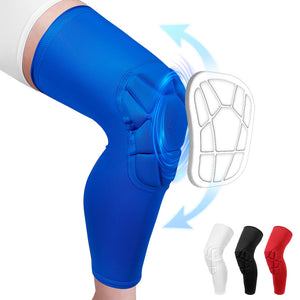
The right fitness accessories can make a night-and-day difference in joint longevity and overall comfort. Adding high-quality Knee brace support compression sleeves to your gym bag is a highly effective, science-backed way to protect your joints during grueling WODs.
These specialized sleeves offer a dual benefit: localized compression and thermal heat retention. The warmth increases nutrient-rich blood flow to the joint capsule, keeping ligaments and tendons pliable and ready for action. At the same time, the compression minimizes post-workout swelling and enhances proprioception—your brain's awareness of your joint's exact position in space. When choosing the best knee brace sleeves for your daily fitness routine, prioritize breathable, durable materials that fit snugly. The ideal gear provides robust stability at the bottom of a deep squat without bunching up or restricting your range of motion during gymnastics or running.
Strengthening the Surrounding Musculature for Maximum Stability
The knee is a hinge joint that relies heavily on the strength and balance of the surrounding muscles. Weak or imbalanced leg muscles force the joint structure itself to absorb excessive shock. To create a bulletproof lower body, you must intentionally fortify the quadriceps, hamstrings, calves, and glutes.
Incorporate accessory muscle-building work outside of your standard class programming. Unilateral (single-leg) exercises are incredibly potent for uncovering and fixing hidden muscular imbalances. Movements like Bulgarian split squats, step-ups, weighted reverse lunges, and glute-ham raises specifically target the critical stabilizers around the kneecap. Focusing on strengthening the vastus medialis oblique (the teardrop-shaped quad muscle just above the inner knee) is especially beneficial for ensuring proper patellar tracking.
Scaling WODs and Managing Impact Levels
High-intensity training is inherently competitive, but letting your ego dictate your workout load is a recipe for disaster. Scaling a workout isn't a sign of weakness; it is a smart strategy for long-term athletic progress. If high-impact movements like box jumps or double-unders are causing flare-ups, substitute them with lower-impact alternatives like box step-ups, rowing, or assault bike sprints. Adjusting total reps or barbell load helps you maintain the workout's intended metabolic stimulus without grinding down cartilage.
Prioritizing Rest, Active Recovery, and Tissue Maintenance
Training breaks down muscle tissue and stresses ligaments; recovery is when your body rebuilds them stronger and more resilient. Listening to your body's signals is paramount. If you experience sharp pain or chronic achiness in your lower body, pushing through it will only worsen the issue. Sometimes, the most productive thing you can do for your fitness progress is to take a designated rest day.
Implement active recovery techniques on your off days to accelerate healing. Low-impact cardiovascular activities like swimming or light outdoor cycling promote blood flow to fatigued areas without adding compressive stress. A dedicated post-workout mobility routine is also essential. Spend time foam rolling the IT bands, quadriceps, and calves to release deep myofascial tension. Stretching tight muscles alleviates the pulling forces on the kneecap, significantly reducing daily friction and pain.