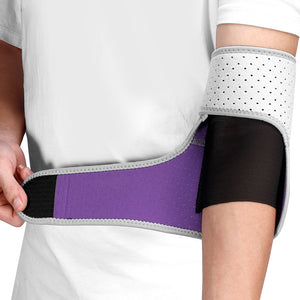
ROM Knee Brace
- Black
- Green
- Orange
- Pink
- Black
- Blue
- Green
- Red
- Orange
- Blue
- Dark Blue
- Black
- White
- Red
- Blue
- Black
- Blue
- Red
- Orange
- Yellow
- Black
- Blue
- Green
- Red
- Blue
- Black
- White
- Red
- Dark Blue
- Grey
- Black
- Blue
- Pink
- Grey
- Black
- White
- Light Black
- Black
- Light Grey
- Grey
- Magenta
- Black
- Green
- Black
- Grey
- Red
- Blue
How Long Do You Have to Wear a ROM Brace?
A Range of Motion (ROM) brace is a specialized orthopedic tool designed to support injured or post-surgical knee joints while allowing precisely controlled movement. These supportive devices play a crucial role in post-op knee care and rehabilitation by helping patients regain mobility and strength while ensuring the joint remains stable. If you are preparing for orthopedic surgery or recovering from a sports injury, understanding how long you need to wear a ROM knee brace is essential for a successful, complication-free recovery.
Factors Influencing Your Knee Surgery Recovery Timeline
The duration for wearing a ROM knee brace largely depends on the type and severity of the injury, the specific surgical procedure performed, and your individual healing rate. Generally, patients are advised to wear a hinged ROM knee brace for a few weeks to several months. Your healthcare provider or orthopedic surgeon will develop a personalized knee rehabilitation timeline based on your unique condition.
Post-Surgical Rehabilitation
In cases of post-surgical recovery—such as after an anterior cruciate ligament (ACL) reconstruction, posterior cruciate ligament (PCL) repair, or complex meniscus surgery—patients are typically instructed to wear their supportive device for 4 to 6 weeks. During this critical healing period, the brace allows for gradual, safe increases in knee flexion and extension.
Initially, the brace is locked to limit the range of motion, preventing any undue stress on the fragile, healing tissues. As your joint stability improves, the range of motion can be gradually increased under the close consultation with your physical therapist or physician.
Non-Surgical Injuries and Sprains
In contrast, if you have a less severe injury, such as a moderate ligament sprain (MCL or LCL) or a minor meniscus tear, the immobilization duration may be significantly shorter. Many patients find exceptional relief and adequate structural support from an orthomen hinged ROM knee brace for 2 to 4 weeks. As swelling decreases and joint stability returns, you will safely transition from strict immobilization to active rehabilitation exercises. The primary goal here is to use the brace as a dynamic tool to facilitate safe motion while minimizing the risk of re-injury.
Adjusting Your Brace Settings During Recovery
A major benefit of these devices is the ability to adjust the flexion and extension limits as your recovery progresses. In the early stages of healing, your doctor may lock the brace in a completely straight position to allow a newly repaired ligament to fuse properly.
As weeks pass, your physical therapist will adjust the dial to allow 30, 60, or 90 degrees of bending. It is incredibly important that you do not alter the hinged knee brace ROM settings on your own. Altering the degree of allowed movement without medical approval can overstretch healing ligaments, potentially setting your recovery timeline back by several weeks.
Maximizing Comfort: Sleeping and Walking
Many patients seek guidance on navigating daily life during their recovery. Common questions include whether you need to wear the device to bed or in the shower.
- Sleeping: Immediately following surgery, doctors typically recommend sleeping with the brace locked in a straight position. This prevents involuntary bending or twisting of the knee while you dream. Using supportive pillows under your calf or ankle can help alleviate pressure and improve comfort.
- Showering: Unless instructed otherwise, you will generally remove the brace to shower, taking extreme care not to twist or bear full weight on the unprotected leg. Always follow your surgeon's specific post-op hygiene instructions.
- Walking: Whenever you are weight-bearing or using crutches, the brace must be worn securely to prevent sudden buckling or joint failure.
Pairing Your Brace with Physical Therapy
It is crucial to remember that wearing a stabilization device should never replace physical therapy. Engaging in guided, consistent rehabilitation exercises is fundamental to total recovery. As you wear your brace, your healthcare provider will recommend specific movements—such as straight-leg raises, heel slides, and quad sets—to strengthen the quadriceps and hamstrings around the knee.
This vital combination of external mechanical support and active internal muscle strengthening can dramatically accelerate your recovery and enhance your long-term functional outcomes.
When Are You Ready to Transition Off the Brace?
Patient compliance is the single most vital factor in determining how long you need to rely on joint support. If prescribed, it is absolutely essential to adhere strictly to your medical team's recommendations. Failing to wear the device as directed, or abandoning it too early, can lead to severe complications, chronic joint instability, or a much longer overall recovery time.
Ultimately, the duration you need to wear a ROM brace can vary widely depending on your clinical milestones. You will be cleared to stop wearing it once your medical team confirms you have achieved adequate muscle strength, reduced swelling, and restored a natural, pain-free walking gait. Compliance with your complete rehabilitation protocol is critical for safely returning to your favorite daily activities and sports.