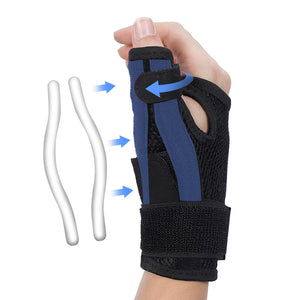
Knee Brace for Snowboarding
- Black
- Green
- Orange
- Pink
- Black
- Blue
- Green
- Red
- Orange
- Blue
- Dark Blue
- Black
- White
- Red
- Blue
- Black
- Blue
- Red
- Orange
- Yellow
- Black
- Blue
- Green
- Red
- Blue
- Black
- White
- Red
- Dark Blue
- Grey
- Black
- Blue
- Pink
- Grey
- Black
- White
- Light Black
- Black
- Light Grey
- Grey
- Magenta
- Black
- Green
- Black
- Grey
- Red
- Blue
Can You Snowboard with an Injured Knee?
If you are an avid winter sports enthusiast, being sidelined by joint pain can be incredibly frustrating. A common question among riders is whether it is possible to hit the slopes while dealing with lower body injuries. The short answer is that it is generally not advisable.
Snowboarding requires immense balance, core strength, and lower body stability. The high-impact forces, constant edge transitions, and bent-knee stance associated with riding can further damage already injured tissues. Pushing through the pain can severely delay the healing process and potentially lead to long-term complications that might keep you off the mountain for good.
Understanding the Impact: Why Snowboarding Stresses Your Joints
Before rushing back to the powder, it is crucial to understand how snowboarding affects your body. Riders spend hours in a prolonged, flexed stance. This continuous flexion, combined with the shock of landing jumps, navigating uneven terrain, or simply catching an edge, places substantial rotational force and pressure on your ligaments and cartilage. When your joint is already compromised, it lacks the standard capacity to absorb these aggressive shocks, making you highly susceptible to worsening your condition or triggering a secondary injury.
Essential Steps for a Rapid and Safe Recovery
If you are passionate about winter sports and want to get back to riding as soon as possible, there are several vital steps you must take to support a quick, effective recovery. Following a structured rehabilitation routine will ensure that when you finally strap back into your bindings, your body is fully prepared for the challenge.
Rest: The Foundation of Healing
Your body needs uninterrupted time to repair damaged tissues. Avoiding any strenuous activities that could stress the joint is absolutely essential in the initial stages of recovery. This includes skipping not only your weekend snowboarding trips but also high-impact daily activities such as running, jumping, or climbing stairs aggressively. Giving your body adequate downtime is the most critical factor in bouncing back.
Ice Therapy: Managing Swelling and Pain
Cold therapy is a highly effective way to manage discomfort. Applying ice to the affected area for 15 to 20 minutes several times a day can significantly help reduce swelling and inflammation. The cold temperature numbs the nerve endings, providing natural pain relief, and also constricts local blood vessels, which effectively minimizes excess fluid buildup around the injury site.
Compression and Joint Support
Compression is another vital element of recovery and future injury prevention. Wearing a high-quality knee brace for snowboarding offers multiple distinct advantages for riders. It provides essential structural support to the joint, helping to stabilize it during dynamic, unpredictable movements on the snow.
A well-fitted brace can limit excessive or abnormal movements that could further harm the compromised area. For example, it acts as a mechanical barrier, preventing your leg from hyperextending or rotating uncontrollably during an unexpected fall. Furthermore, the targeted compression from the support sleeve helps reduce swelling, functioning similarly to cold therapy. By reducing inflammation, continuous compression promotes healthy blood circulation. This increased blood flow is essential for the rapid delivery of nutrients and oxygen to damaged tissues, ultimately accelerating the repair process.
Elevation: Minimizing Fluid Retention
Whenever you are resting, try to keep your injured leg elevated above the level of your heart. Propping your leg up on a few pillows while sitting or lying down helps gravity drain excess fluid from the injury. Combined with rest, ice, and compression, elevation completes the ultimate strategy for managing acute joint trauma.
How to Safely Return to the Slopes
Once you have shown significant improvement, are entirely pain-free in your daily routine, and a healthcare professional gives the green light, a return to snowboarding can be carefully considered. However, patience remains the ultimate key to a successful season.
Start Slow and Adjust Your Gear
When you first return to the mountain, it is important to start slowly. Begin with light-intensity, short sessions on gentle, freshly groomed runs rather than diving straight into challenging terrain or the terrain park. Focus entirely on your carving technique and proper form rather than speed.
Consider evaluating your snowboarding stance. Adjusting the angles of your bindings can sometimes relieve unnecessary rotational strain on your lower body. Take frequent breaks in the lodge to stretch and assess how your body feels. Gradually increase the intensity, duration, and difficulty of your runs over time as your strength, confidence, and endurance fully return.