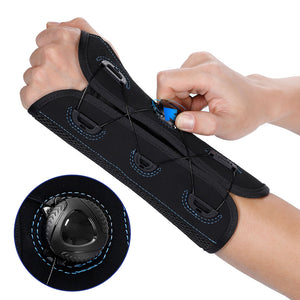
Compression Knee Support
- Black
- Green
- Orange
- Pink
- Black
- Blue
- Green
- Red
- Orange
- Blue
- Dark Blue
- Black
- White
- Red
- Blue
- Black
- Blue
- Green
- Red
- Blue
- Black
- White
- Red
- Black
- Blue
- Red
- Orange
- Yellow
- Dark Blue
- Grey
- Black
- Blue
- Pink
- Grey
- Black
- White
- Light Black
- Black
- Light Grey
- Grey
- Magenta
- Black
- Green
- Black
- Grey
- Red
- Blue
When Should You Not Wear Knee Support?
From high-intensity interval training (HIIT) studios to heavy weightlifting sessions and weekend runs, fitness accessories have become incredibly popular among athletes and everyday workout enthusiasts. Slipping on some knee support can offer valuable joint stability, enhance blood flow, and help manage minor discomfort during rigorous physical exercise. However, there is a common misconception that wearing these accessories at all times is beneficial. In reality, there are specific circumstances where strapping up your joints may actually be counterproductive.
The True Purpose of Joint Compression
Before identifying when to skip the gear, it is important to understand why athletes use compression support in the first place. These accessories are meticulously designed to reduce exercise-induced swelling, provide therapeutic warmth to stiff joints, alleviate minor aches, and enhance proprioception—your body’s ability to sense its movement and position in space.
When used correctly during heavy lifting, aggressive athletic movements, or specific rehabilitation phases, they are highly effective tools. However, utilizing them inappropriately or excessively can lead to a dangerous dependency. If your body constantly relies on an external sleeve or wrap to do the heavy lifting, the surrounding muscles—specifically the quadriceps, hamstrings, and calves—may miss out on the vital strengthening necessary for natural joint stabilization.
4 Scenarios Where You Should Avoid Knee Accessories
To optimize your joint health and prevent unwanted injuries, here are the primary situations when you should absolutely reconsider wearing joint accessories.
1. During Low-Impact Activities and Sedentary Periods
One of the most common mistakes individuals make is wearing joint wraps during low-impact, everyday activities. For light exercises such as casual walking, gentle stretching, yoga, or simply going about your daily household chores, your body does not require added external stabilization.
Relying on these accessories during basic movements can slowly weaken your muscles over time. Your body is highly adaptable; if an external fabric is doing the work of holding your joint in place, your stabilizing muscles will eventually stop firing at their full capacity. This muscle atrophy inhibits natural biomechanical function and leaves you far more susceptible to injury when you finally take the sleeve off.
2. When Compensating for Poor Biomechanics and Form
Excessive wear of gear during intense athletic training or competitive sports can occasionally result in a hazardous false sense of security. It is not uncommon for athletes to push through a workout using poor form simply because their joints feel tightly bound and secure.
Every fitness enthusiast should prioritize proper exercise technique and body mechanics over the artificial feeling of security provided by external gear. Using Compression knee support to compensate for a lack of mobility, inadequate squat depth, or improper running strides will eventually catch up with you. Prioritize mastering your form first; the gear should merely be an addition to an already solid biomechanical foundation.
3. Masking Acute Pain or Sudden Injuries
If you are experiencing sharp, acute pain, or if a previously manageable ache has suddenly worsened, it is highly advisable to stop using compressive joint wear immediately. Masking severe pain with tight accessories is a recipe for long-term physical damage.
Instead of wrapping the joint tightly to push through another workout, it is crucial to identify the underlying physiological issue. Serious conditions such as ligament strains, meniscus tears, severe cartilage damage, or advanced tendinitis require a proper professional diagnosis and a targeted treatment plan. In these critical instances, wearing tight gear creates a dangerous illusion of safety, often causing individuals to postpone the necessary assessments needed for a full recovery.
4. When Dealing with Dehydration-Induced Cramps
Hydration plays a significantly underappreciated role in overall joint health and muscle function. Severe dehydration quickly leads to muscular fatigue, involuntary cramps, and increased friction and stress on your joint structures.
If you begin to notice the early warning signs of dehydration—such as sudden muscle spasms, dizziness, or tight calves and hamstrings—putting on a tight sleeve will not fix the problem. In fact, restricting blood flow to a cramping muscle can sometimes exacerbate the discomfort. It is best to address the root cause immediately through adequate fluid intake and electrolyte replenishment before considering external joint aids.
The Long-Term Risks of Gear Dependency
Continuous reliance on fitness accessories alters how your neuromuscular system functions. When you wear external stabilizers all day, your brain sends fewer signals to the micro-muscles surrounding the kneecap. Over months and years, this leads to a phenomenon known as muscle dependency.
To maintain healthy patellar tracking and robust joint mechanics, your body needs to experience unassisted movement. Training your bare joints forces your tendons, ligaments, and muscle fibers to adapt to stress naturally, building a resilient lower body that can withstand the demands of both daily life and rigorous athletic endeavors.