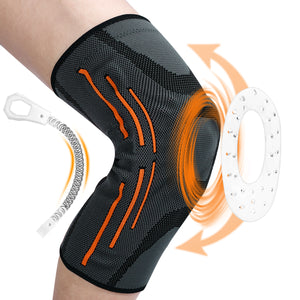
Knee Brace for Runners Knee
- Black
- Green
- Orange
- Pink
- Black
- Blue
- Green
- Red
- Orange
- Blue
- Dark Blue
- Black
- White
- Red
- Blue
- Black
- Blue
- Red
- Orange
- Yellow
- Black
- Blue
- Green
- Red
- Blue
- Black
- White
- Red
- Dark Blue
- Grey
- Black
- Blue
- Pink
- Grey
- Black
- White
- Light Black
- Black
- Light Grey
- Grey
- Magenta
- Black
- Green
- Black
- Grey
- Red
- Blue
Do Knee Braces Help with Runner's Knee?
If you are an avid runner, a weekend jogger, or someone who simply enjoys staying active, you might have experienced a dull, aching pain around or behind your kneecap. This common discomfort, clinically known as patellofemoral pain syndrome, can severely disrupt your active lifestyle and hinder your athletic performance. Many fitness enthusiasts wonder if wearing a targeted support garment can genuinely make a difference in their recovery. The short answer is yes. Using a well-designed knee brace for runner's knee can offer significant benefits, helping you manage symptoms, recover faster, and return to your favorite physical activities safely.
Understanding the Mechanics of Patellofemoral Pain
Before diving into the solutions, it is crucial to understand what happens to your joint when you develop this condition. The discomfort typically arises when the patella (kneecap) misaligns and fails to glide smoothly within its designated groove at the base of the thigh bone (the femoral groove). This poor tracking leads to abnormal friction, cartilage irritation, and subsequent inflammation. Finding effective relief for knee pain means addressing this exact biomechanical issue.
Essential Support and Proper Patella Alignment
One of the primary advantages of incorporating a specialized joint support into your workout routine is the targeted structural stabilization it provides. These accessories are meticulously designed to help maintain proper patellar alignment during repetitive movements such as jogging, sprinting, or brisk walking.
When dealing with runner's knee, the patella tends to track incorrectly within the femoral groove, causing the painful friction mentioned earlier. A well-designed knee support actively guides the kneecap along its correct, natural path. By keeping the patella centered, the brace drastically reduces abnormal friction, minimizes joint wear and tear, and alleviates the sharp twinges of pain associated with misaligned tracking.
The Power of Compression for Swelling Reduction and Healing
Swelling and stiffness are almost always present in individuals with runner's knee due to persistent inflammation from abnormal joint friction. This is where therapeutic compression becomes incredibly valuable for sports injury recovery.
A snug, elastic knee support applies gentle, consistent pressure across the entire joint. This targeted compression helps flush out excess fluid, directly reducing swelling in the sensitive soft tissues surrounding the kneecap.
Furthermore, this continuous compression acts as a powerful catalyst for improved blood circulation. When blood flow is stimulated and increased in the affected area, it delivers a higher concentration of vital oxygen and restorative nutrients to the damaged tissues. This enhanced delivery system accelerates the body's natural healing process, shortening recovery time and alleviating post-workout joint soreness.
Boosting Joint Awareness Through Proprioceptive Feedback
An often-overlooked but highly critical benefit of wearing supportive athletic gear is enhanced proprioception. Proprioception refers to your body's subconscious ability to sense the precise position, movement, and orientation of its limbs in space.
When an individual experiences knee discomfort, the body's natural joint mechanics are often compromised, leading to unsteady movement and poor form. For those managing runner's knee, a brace greatly enhances this proprioceptive feedback by providing a constant, subtle tactile sensation against the skin. This heightened sensory awareness allows individuals to have better, more intuitive control over their leg and knee movements. By improving neuromuscular control, the support helps prevent awkward steps or twists that could further aggravate the injury, promoting a safer, more stable running gait.
Maximizing Your Athletic Recovery Strategy
While wearing proper joint support is a highly effective tool for managing discomfort and preventing knee injuries, achieving optimal athletic recovery requires a well-rounded approach. Pairing your physical support with targeted stretching, quadriceps and gluteal strength training, and adequate rest will yield the best long-term results. Paying close attention to your running terrain and investing in high-quality footwear can also prevent unnecessary stress on your lower extremities.