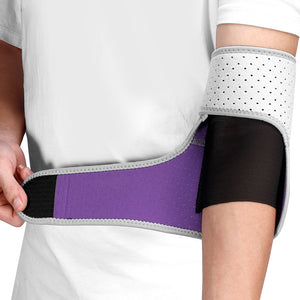
Ice Knee Brace
- Black
- Green
- Orange
- Pink
- Black
- Blue
- Green
- Red
- Orange
- Blue
- Dark Blue
- Black
- White
- Red
- Blue
- Black
- Blue
- Green
- Red
- Black
- Blue
- Red
- Orange
- Yellow
- Blue
- Black
- White
- Red
- Dark Blue
- Grey
- Black
- Blue
- Pink
- Grey
- Black
- White
- Light Black
- Black
- Light Grey
- Grey
- Magenta
- Black
- Green
- Black
- Grey
- Red
- Blue
Is It Okay to Ice Your Knee Every Day?
Whether you are recovering from a recent sports injury, dealing with persistent joint inflammation, or managing chronic aches, you might find yourself reaching for a cold pack frequently. This leads to a very common question: is it okay to ice your knee every day?
The short answer is yes. It is generally safe and highly beneficial to apply cold therapy to your joint daily. Cryotherapy—the technical term for cold therapy—is widely recognized as an effective way to reduce swelling, ease discomfort, and promote faster healing.
The Science Behind Daily Cryotherapy for Joints
When you apply cold to an aching or injured joint, it causes vasoconstriction, meaning your blood vessels narrow. This process significantly restricts blood flow to the targeted area, which rapidly decreases tissue inflammation and visible swelling. Cold temperatures also temporarily slow nerve activity, acting as a localized numbing agent that provides immediate, drug-free pain relief.
For active individuals, fitness enthusiasts, or those dealing with daily wear and tear, integrating a regular icing routine can be a game-changer for maintaining joint mobility and comfort.
Essential Guidelines for Safe and Effective Icing
While daily cold therapy is perfectly safe for most people, following proper protocols is crucial to prevent skin damage or nerve irritation. Here are the most important guidelines to follow to maximize the benefits of your daily routine:
Optimal Timing and Duration
Duration: Always limit your cold therapy sessions to 15 to 20 minutes at a time. Leaving a freezing item on your skin for extended periods increases the risk of frostbite or superficial tissue damage. Once the area feels completely numb, remove the cold source.
Frequency: You can safely ice the affected area two to three times per day. This is especially helpful after physical activity, intense workouts, or long periods of standing that might aggravate the joint and trigger swelling.
Proper Application Methods
Protect Your Skin: Never place frozen items directly against bare skin. Always create a protective barrier using a thin cloth, towel, or garment to keep your skin safe from extreme temperatures.
Choose the Right Tools: Use standard cold compresses, reusable gel packs, or even a bag of frozen peas wrapped in a towel. For a more convenient, targeted approach, an ice knee brace provides hands-free relief by combining cooling therapy with supportive compression, making it easier to manage recovery while going about your day.
Monitoring Your Joint Health
Pay close attention to how your body responds to daily cryotherapy. While cold treatments are meant to reduce discomfort, they should never cause additional pain.
Positive Signs: Numbing of the painful area, visibly reduced puffiness, and increased ease of movement after the joint warms back up to room temperature.
Signs to Take a Break: If you experience intense burning, skin that stays deeply red or white long after you remove the cold source, or increased stiffness and aching, stop your daily routine immediately. If negative symptoms persist, consult with a qualified healthcare provider to evaluate your condition.
Alternative and Complementary Therapies
If you diligently apply cold therapy every day but still experience significant stiffness or discomfort, it may be time to broaden your recovery approach. Cold therapy works best when combined with other supportive treatments designed to accelerate healing:
- Elevation: Prop your leg up on pillows so your joint rests above heart level. This allows gravity to help drain excess fluid away from the inflamed area.
- Compression: Wrapping the joint snugly provides structural support and helps prevent fluid buildup.
- Physical Therapy: Targeted stretching and strengthening exercises build up the surrounding quadriceps and hamstrings, which takes mechanical pressure off the joint itself.
- Rest and Modification: Give your body time to heal by temporarily swapping high-impact activities like running for low-impact alternatives like swimming or cycling.
- Over-the-Counter Relief: Anti-inflammatory medications can provide internal relief alongside your external cold treatments.