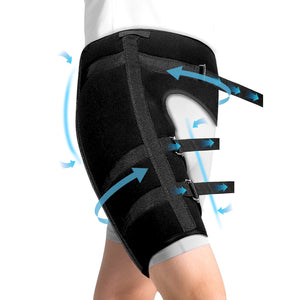
Ultra Knee Elite
- Black
- Green
- Orange
- Pink
- Black
- Blue
- Green
- Red
- Orange
- Blue
- Dark Blue
- Black
- White
- Red
- Blue
- Black
- Blue
- Green
- Red
- Dark Blue
- Grey
- Black
- Blue
- Pink
- Grey
- Black
- White
- Light Black
- Black
- Light Grey
- Grey
- Magenta
- Black
Can a Knee Brace Cause Blood Clots?
Knee pain, joint instability, and arthritis are common issues for active individuals, athletes, and those recovering from knee injuries. To manage daily discomfort and protect the joint from further damage, many people turn to supportive gear. One highly favored option for everyday support and athletic performance is the Ultra Knee Elite, known for its effective compression and stabilizing design.
Despite the widespread use of joint support sleeves, a growing concern among users is whether wearing these tight-fitting garments can lead to serious circulatory issues. Specifically, can wearing a knee brace cause blood clots? To give you peace of mind and protect your health, we need to dive into the science of blood circulation, deep vein thrombosis, and proper joint support to uncover the truth.
Understanding Blood Clots and Deep Vein Thrombosis (DVT)
Before addressing the risks associated with knee supports, it is crucial to understand what a blood clot actually is. Blood clots are semi-solid clots of blood that form in your veins or arteries. When a clot forms in the deep veins of your leg, calf, or thigh, it is known as Deep Vein Thrombosis (DVT).
DVT is a serious medical condition because a blood clot can break loose, travel through your bloodstream, and lodge in the lungs, resulting in a life-threatening pulmonary embolism. Common risk factors for developing DVT include:
- Prolonged periods of immobility (such as long flights or bed rest)
- Underlying vascular health conditions or cardiovascular disease
- Dehydration
- Significantly restricted blood flow caused by excessively tight clothing or improper compressive gear
Compression vs. Restriction: How Knee Braces Impact Blood Flow
High-quality knee sleeves and stabilizing braces are engineered to provide therapeutic compression. This targeted, gentle pressure helps reduce joint inflammation, alleviate pain, and promote faster muscle recovery. When fitted correctly, therapeutic compression actually supports healthy blood flow by encouraging lymphatic drainage and fluid movement away from the knee joint.
However, a strict line exists between helpful compression and harmful restriction. If a support device is improperly sized and fits too tightly, it can compress the blood vessels, restricting normal circulation and potentially contributing to blood pooling in the lower extremities.
Can Wearing a Knee Brace Lead to Blood Clots?
For the vast majority of healthy adults, wearing a knee brace during physical activity poses a very low risk of causing blood clots. In fact, providing your knee with proper joint stability can improve your movement mechanics, relieve pain, and encourage you to stay active. Since physical activity is one of the most effective ways to prevent DVT, a well-fitted brace generally promotes circulatory health rather than hindering it.
The danger arises primarily from improper use. If your brace is entirely too tight, it stops acting as a supportive aid and essentially becomes a tourniquet. This severe restriction of blood circulation, especially if worn for extended periods without movement, can elevate your risk of clotting.
For individuals with pre-existing conditions—such as peripheral artery disease, varicose veins, a history of blood clots, or those living a highly sedentary lifestyle—the baseline risk is already elevated. In these cases, it is vital to consult with a healthcare professional before adding any compressive garments to your daily routine.
Warning Signs Your Knee Sleeve is Too Tight
To avoid the risk of poor circulation, it is vital to recognize when your gear is not fitting correctly. If you experience any of the following symptoms while wearing your support garment, remove it immediately:
- Numbness or Tingling: A "pins and needles" sensation in your lower leg, calf, or foot indicates compromised nerve function and restricted blood flow.
- Skin Discoloration: If your toes, foot, or lower leg skin turns pale, blue, or unusually red.
- Temperature Changes: Noticeable coldness in your foot or lower leg compared to the rest of your body.
- Increased Swelling: Puffiness or fluid buildup below the knee that was not present before putting the garment on.
- Throbbing Pain: Discomfort that feels like a distinct, pulsing ache rather than the kind of joint pain you'd expect.
Best Practices for Safe Knee Brace Usage
In practice, wearing a high-quality model like the Ultra Knee Elite should alleviate joint pain, not create new health hazards. Follow these safety guidelines to protect your vascular health while securing the support your knees require:
1. Ensure the Proper Fit
Getting the correct size is non-negotiable. Measure your leg accurately according to the sizing chart before purchasing. Your support should feel snug, secure, and warm, but never painful, pinching, or excessively binding.
2. Take Frequent Breaks
Unless explicitly instructed by a healthcare professional or orthopedic specialist, you should not wear a compressive sleeve continuously all day and night. Remove it periodically—especially when resting—to allow your skin to breathe and your blood vessels to relax.
3. Stay Active and Mobile
Avoid sitting in the exact same position for hours while wearing a knee brace. If you must wear it while working at a desk or traveling, make sure to stand up, stretch, and walk around regularly. Simple ankle pumps and calf stretches can keep the blood pumping naturally through your legs.
4. Maintain Optimal Hydration
Drinking plenty of water throughout the day helps maintain healthy blood volume. Proper hydration supports excellent cardiovascular circulation, naturally reducing the likelihood of clot formation.