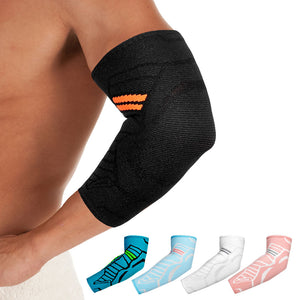
Knee Braces For Knee Pain
- Black
- Green
- Orange
- Pink
- Black
- Blue
- Green
- Red
- Orange
- Blue
- Dark Blue
- Black
- White
- Red
- Blue
- Black
- Blue
- Green
- Red
- Dark Blue
- Grey
- Black
- Blue
- Pink
- Grey
- Black
- White
- Light Black
- Black
- Light Grey
- Grey
- Magenta
- Black
What is the Strongest Pain Relief for Knee Pain?
When joint discomfort strikes, finding the ultimate, fast-acting solution becomes a top priority. Many people dealing with severe joint aches wonder, "What is the strongest pain relief for knee pain?" The truth is, there is no single magical cure or one-size-fits-all remedy. The most robust and effective relief actually comes from a highly personalized, multi-faceted approach.
Whether you are dealing with chronic joint stiffness, acute sports injuries, or daily wear and tear, combining various scientifically backed methods will yield the most powerful results. Below is a comprehensive guide to the most effective treatments to help your joints recover sooner and restore your mobility.
Top Strategies for Powerful Joint Relief
Physical Therapy and Targeted Rehabilitation
Engaging in structured physical therapy is one of the most reliable ways to achieve long-lasting comfort and joint health. A trained physiotherapist can design a tailored rehabilitation program that focuses heavily on flexibility, strength, and balance. By actively strengthening the major muscle groups surrounding the joint—specifically the quadriceps, hamstrings, and calves—you improve overall leg stability. This enhanced muscular support absorbs daily shock and significantly reduces the mechanical strain on your joints, leading to a profound reduction in chronic aching.
Hot and Cold Contrast Therapy
Temperature therapy is a highly accessible and potent at-home remedy for managing severe inflammation and stiffness. Understanding when to use ice versus heat is crucial for optimal recovery:
- Cold Therapy: Applying ice packs or cold compresses is highly effective for reducing acute swelling immediately after intense physical activities or sudden injuries. The cold restricts blood flow, effectively numbing localized discomfort and minimizing inflammatory responses.
- Heat Therapy: Conversely, applying heat through warm towels or heating pads is exceptional for soothing morning stiffness and relaxing tight, fatigued muscles. Heat promotes healthy blood circulation, delivering necessary oxygen and nutrients to damaged tissues.
Alternating between hot and cold treatments (contrast therapy) can be an exceptionally powerful method for managing daily flare-ups and encouraging faster tissue recovery.
Structural Support and Stabilization
External stabilization is a crucial component of joint recovery. Countless individuals discover that wearing structural support garments provides tremendous daily comfort. These tools deliver targeted compression and crucial stability, actively reducing the mechanical strain placed on surrounding muscles and vulnerable ligaments.
Supportive gear is especially beneficial during dynamic activities that might exacerbate joint flare-ups, such as hiking, brisk walking, or running. By limiting harmful movements and providing structural reinforcement, integrating knee braces for knee pain into your daily routine can alleviate immediate discomfort while promoting gradual, safe healing. Because numerous designs are available, users can easily select the precise level of immobilization and support required for their specific condition and daily activity level.
Over-the-Counter Medications
For chemical pain relief, nonsteroidal anti-inflammatory drugs (NSAIDs) such as ibuprofen and naproxen are highly effective at providing temporary relief from intense swelling and throbbing aches. For acute flare-ups and sudden inflammatory issues, these over-the-counter options may suffice to get you through the day.
However, it is crucial to use these chemical aids responsibly. Relying strictly on pills without addressing the root cause of the discomfort is not a long-term solution. Unauthorized or excessive medication use is strictly not recommended. Always seek professional help and consult a healthcare provider to ensure you are managing your symptoms safely and effectively.
Additional Lifestyle Adjustments for Lasting Comfort
To maximize the effects of the treatments listed above, consider incorporating broader lifestyle modifications to protect your joints:
Low-Impact Movement
While resting an injured joint is important, completely avoiding movement can lead to further stiffness. Engaging in low-impact activities like swimming, water aerobics, or stationary cycling helps maintain joint mobility and promotes joint lubrication without subjecting your body to harsh, pounding impacts.
Anti-Inflammatory Nutrition
What you put into your body plays a significant role in how it manages internal inflammation. Consuming a diet rich in omega-3 fatty acids, antioxidants, and leafy greens can naturally support your body's ability to fight off cellular inflammation, complementing your physical therapies and supportive bracing.